Soup is the most forgiving thing you can cook. A wilting carrot, half an onion, and a can of beans are already most of the way to dinner. What separates a flat, watery pot from a good one is not the ingredients. It is the order you add them in and how you finish.
That order is the same whether the result is a chunky vegetable soup, a creamy blended one, or a brothy noodle bowl. Learn the sequence once and you can improvise from whatever is on hand.
The Five-Step Formula
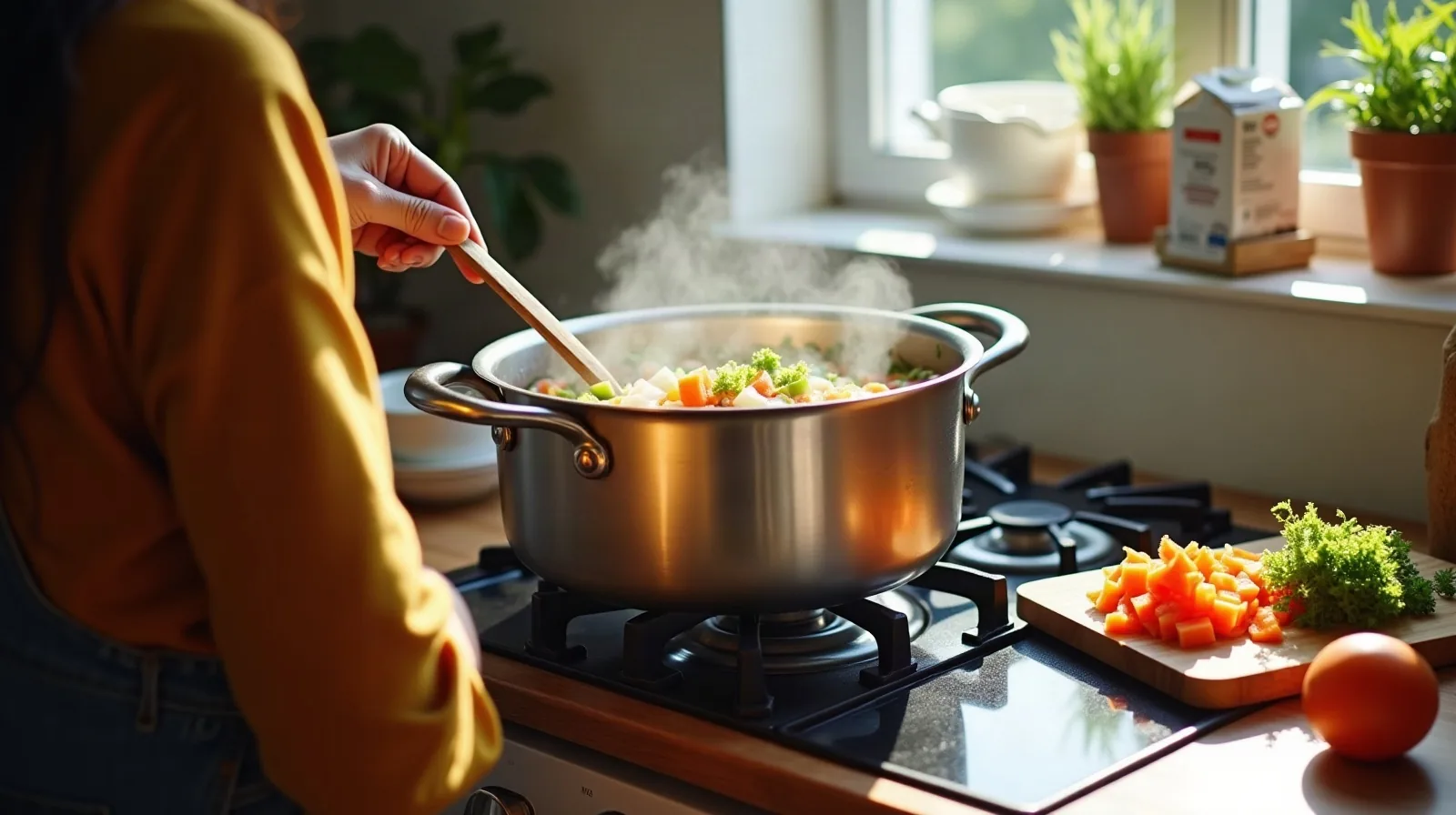
- Aromatics. Chop an onion (or leek) and add celery, carrot, or garlic. Cook them in a few tablespoons of oil or butter over medium heat for 5 to 8 minutes, until soft and just starting to color. This is where most of the flavor starts, so don’t rush it.
- Main ingredients. Add the vegetables, beans, grains, or cooked meat that will be the body of the soup, with any dried herbs and spices. Stir for a minute so the spices bloom in the fat.
- Liquid. Cover with broth or water, roughly 4 to 6 cups for a medium pot, and add a little salt. Bring it to a boil, then lower it to a gentle simmer.
- Simmer. Cook until everything is tender. Most vegetable soups take 20 to 30 minutes, while dried beans and tough cuts of meat take much longer.
- Finish. Taste, then adjust salt, pepper, and acid. This last step is the one that turns a decent soup into a good one.
Pick a Base, Then a Body
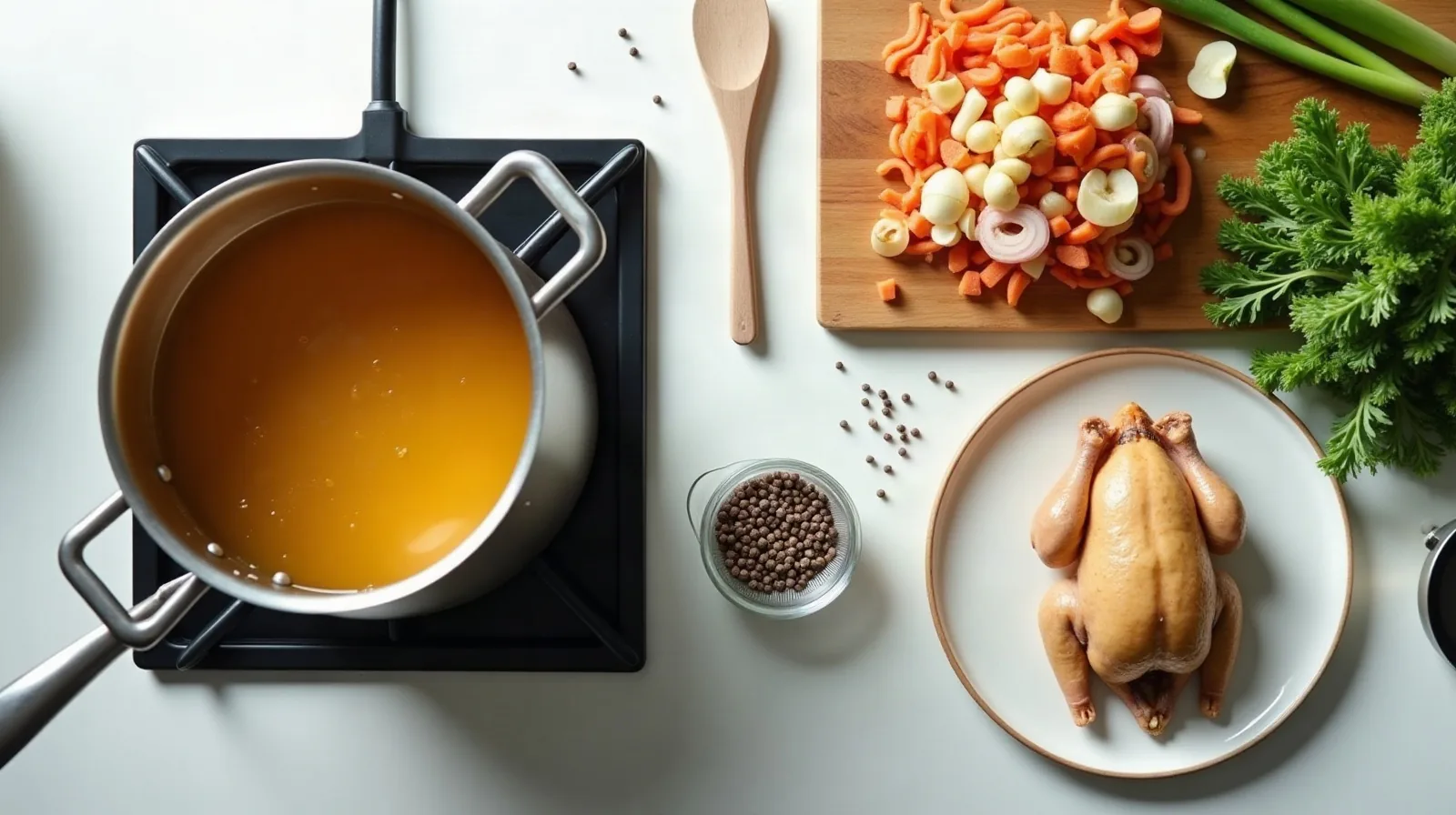
The liquid sets the character. A store-bought carton of broth works fine, and so does stock made from kitchen scraps. Plain water is also fine when the aromatics and seasoning are strong. Choose the body to match:
- Hearty and chunky: potatoes, root vegetables, beans, lentils, barley, or cooked chicken. Cut everything to a similar size so it cooks evenly.
- Creamy and smooth: starchy vegetables such as potato, squash, or cauliflower, simmered until very soft and then blended. Blend in batches and keep the lid vented, since hot liquid expands.
- Light and brothy: a clear broth with a handful of small pasta, rice, or greens added near the end.
Add Things in the Right Order
A pot full of ingredients that all cook at different speeds is why some soups turn out mushy in one spot and raw in another. Add them in stages:
- At the start: dense vegetables such as potatoes, carrots, and winter squash, plus dried beans or lentils.
- Midway: tender vegetables such as zucchini, green beans, and corn.
- Last 5 to 10 minutes: small pasta, cooked rice, canned beans, frozen peas, and leafy greens, which only need to heat through.
Cooked pasta and rice keep absorbing liquid. If you expect leftovers, cook them separately and add them to each bowl.
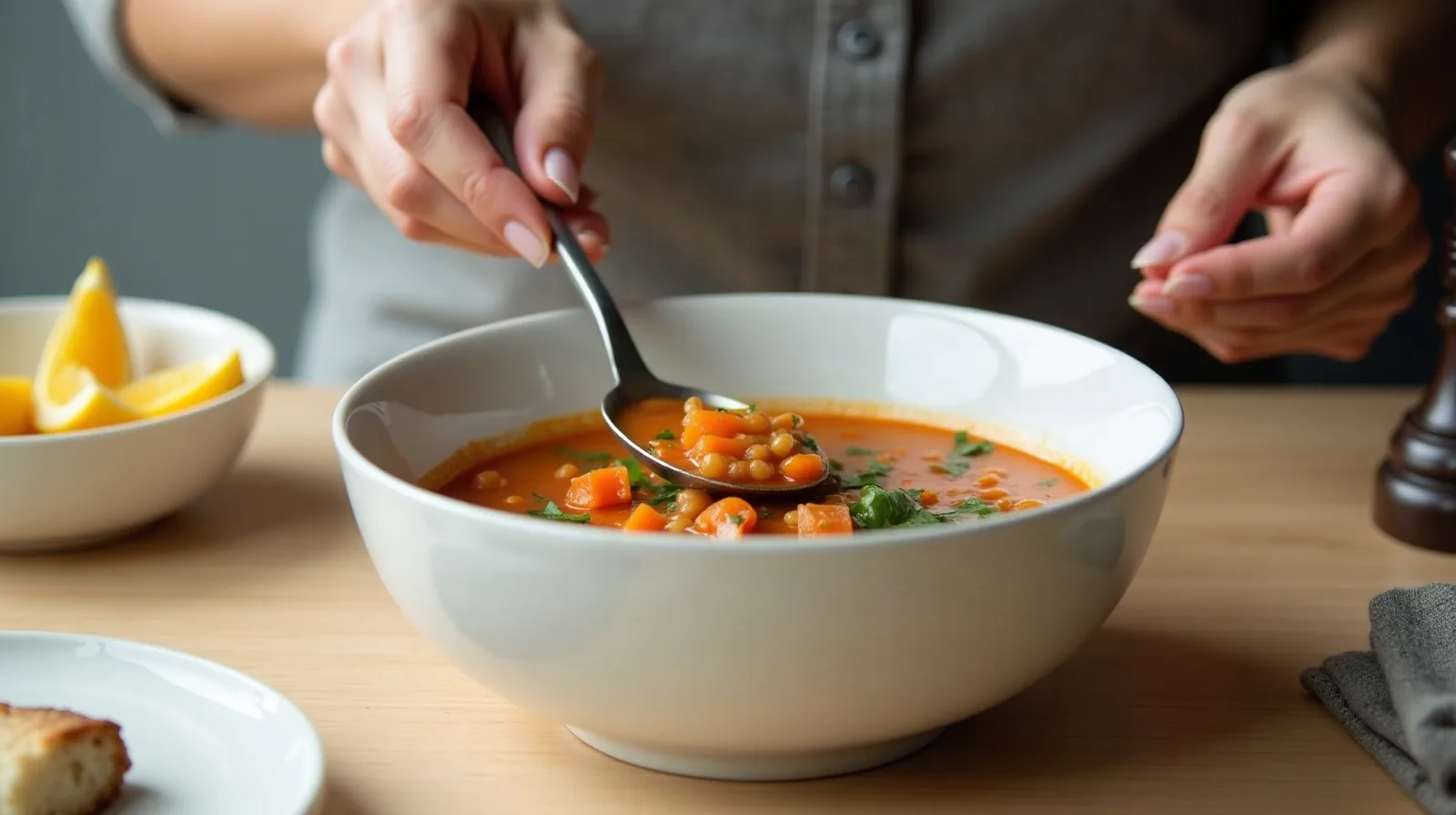
How to Fix Soup That Tastes Off
Taste before serving, then fix what the soup is telling you. Our guide to fixing bland food goes deeper, but for soup the usual cases are:
- Flat or dull: add salt a pinch at a time, then a splash of lemon juice or vinegar. Acid is the most common missing piece.
- Too salty: add more unsalted liquid and a few more vegetables to dilute it. A peeled potato does not reliably absorb salt, so don’t count on it.
- Too thin: simmer with the lid off to reduce, or mash a few of the beans or potatoes against the side of the pot to thicken it.
- Too thick: stir in a little hot broth or water until it loosens.
- Lacking depth: stir in a spoonful of tomato paste, a little soy sauce, or a handful of grated hard cheese, or simmer a bit longer.
Storing and Reheating
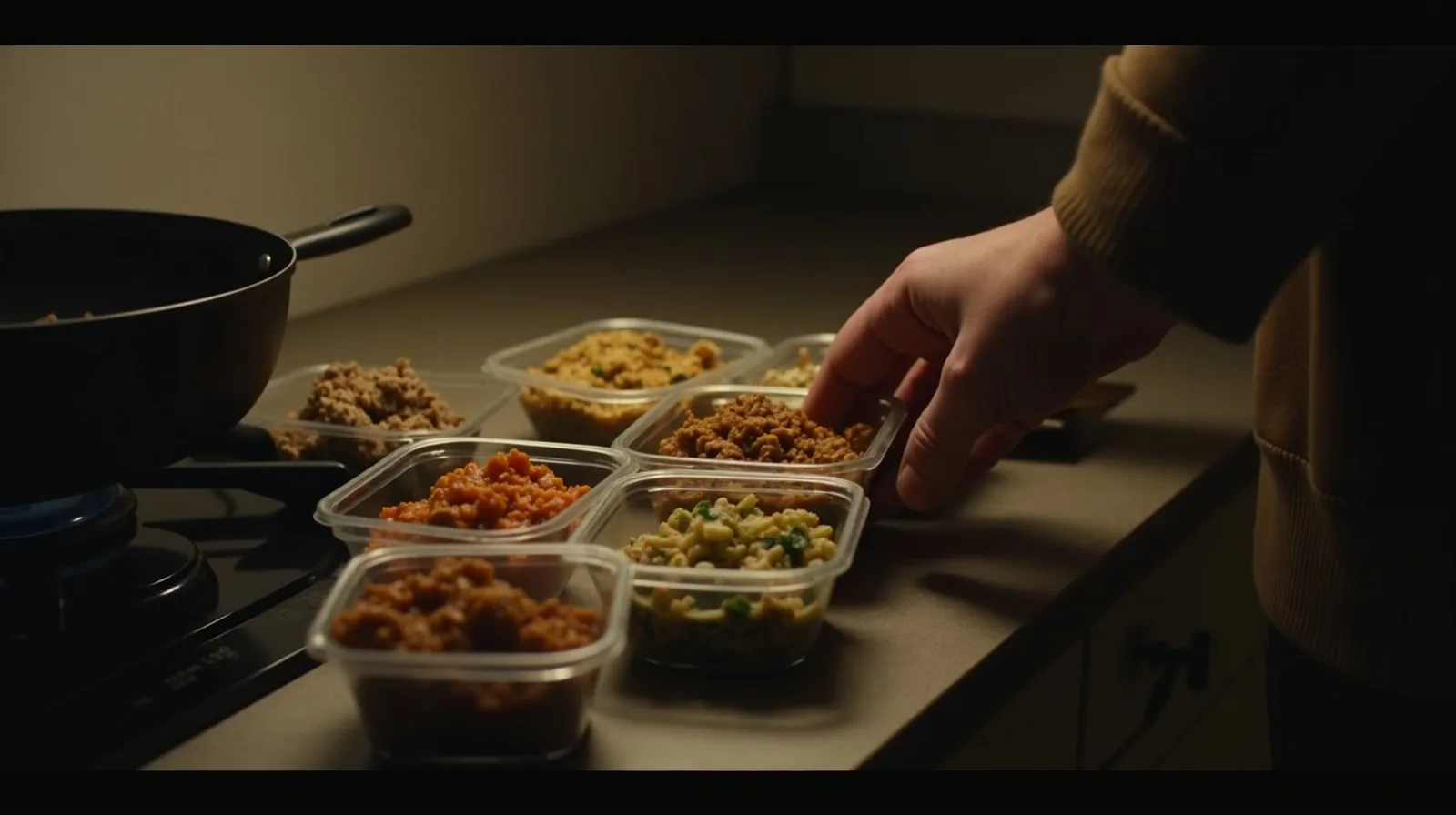
Soup is made for batch cooking. Cool it quickly by dividing it into shallow containers rather than leaving a deep pot on the stove, and refrigerate within two hours. It keeps for three to four days in the fridge and a few months in the freezer. Leave a little space at the top of freezer containers, since liquid expands as it freezes, and see our notes on avoiding freezer burn.
Reheat soup until it is steaming hot all the way through, following the same safety habits in our guide to reheating leftovers. Soups with potatoes or dairy sometimes separate slightly in the freezer, and a good stir fixes most of it.