Most people who say a dish is “missing something” reach for another spice. It’s usually the wrong move. Flat food is almost always an imbalance, not a shortage of flavor, and four everyday levers fix it: salt, acid, fat, and heat. Learn what each one does and you can rescue a bland soup, a dull sauce, or a tired plate of leftovers in about a minute.
This is the troubleshooting order that works on nearly anything, plus a simple habit for getting it right the first time.
Start With Salt (But Not Too Much)
Salt doesn’t just make food salty. At the right level it makes everything else taste more like itself, which is why a pot of unsalted soup tastes watery and the same pot with a pinch added suddenly tastes like vegetables and broth. If a dish tastes dull or “muffled,” salt is the first thing to check.
- Add it in stages. A little at the start, a little in the middle, and a final adjustment at the end beats one big dose, because flavors build as they cook.
- Add a pinch, stir, wait, and taste. Salt takes a moment to dissolve and spread, so tasting the instant it lands fools you into adding too much.
- Know the signal. If the dish tastes better with each pinch, keep going. When it starts tasting salty rather than just brighter, stop.
- Remember what’s already in there. Broth, canned goods, cheese, and cured meats all bring their own salt, so season those dishes gradually.
Then Reach for Acid
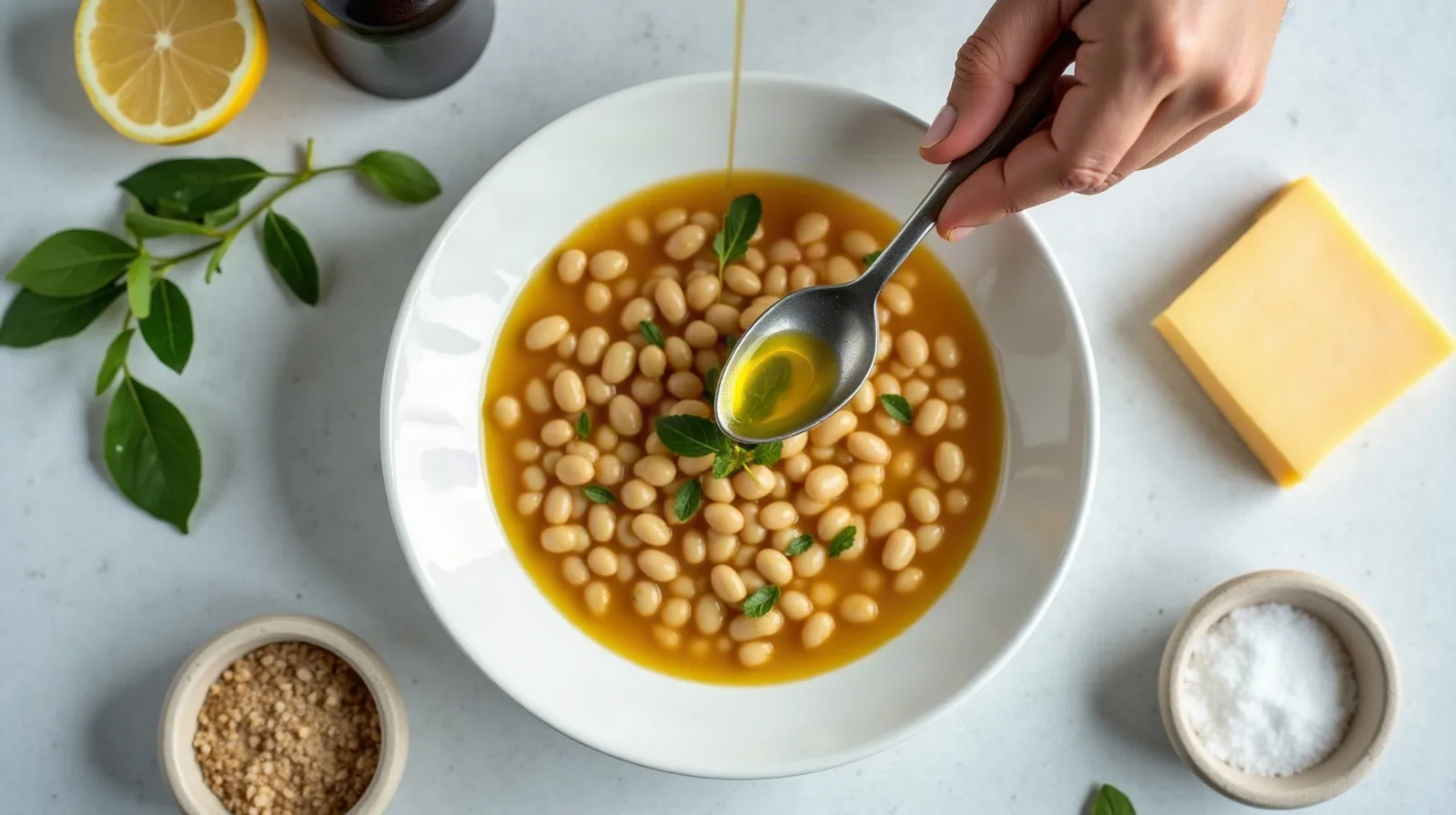
If a dish is salted well and still tastes heavy, flat, or one-note, the missing piece is nearly always acid. A little sourness lifts and sharpens flavors the way turning up the contrast sharpens a photo. It’s the reason a squeeze of lemon over cooked fish or a splash of vinegar in a pot of beans changes the whole dish.
- Citrus juice: lemon or lime, best for soups, fish, vegetables, and anything rich.
- Vinegar: a few drops of any kind work in stews, beans, greens, and pan sauces; milder vinegars are gentler, sharper ones cut through fat.
- Tomatoes, yogurt, and pickles: acid you can fold in as an ingredient, not just a finishing splash.
- Add it last and a little at a time. Acid fades and turns harsh when it cooks too long, so stir it in near the end, off the heat, and taste after each small addition.
Fat Rounds Things Out
Fat carries flavor and softens harsh edges. A dish that tastes thin, sharp, or watery, such as a lean soup, a too-tart dressing, or a tomato sauce with a bite, often just needs something rich to smooth it out.
- Finish with it. A drizzle of olive oil, a pat of butter swirled into a sauce, a spoonful of cream or yogurt, or a few shavings of hard cheese.
- Use it to balance acid and heat. A too-sour or too-spicy dish calms down with a little fat stirred in.
- Don’t drown it. If a dish already tastes heavy or greasy, skip this lever and go back to acid.
Don’t Overlook Heat and Browning
“Heat” has two meanings in cooking, and both can fix a flat dish. One is spice: chili flakes, black pepper, fresh ginger, or hot sauce add a spark of contrast that wakes up mild food. The other is the cooking itself.
- Brown it properly. Onions, mushrooms, meat, and vegetables develop deep savory flavor when they’re given time and a hot, uncrowded pan. Rushing past the browning is why many home-cooked dishes taste thin.
- Let a pan get hot first. Food added to a cold pan steams instead of sears.
- Add spice carefully. A little at a time, tasting between additions, because heat builds as it sits.
The Taste-and-Tweak Routine
Instead of guessing, run the same short loop every time a dish tastes off:
- Taste a clean spoonful. Use a fresh spoon and let the dish cool slightly, since very hot food dulls your taste buds.
- Name the problem. Dull and muffled points to salt. Heavy or one-note points to acid. Thin or sharp points to fat. Mild and boring points to heat or browning.
- Change one thing. A small pinch, squeeze, or drizzle.
- Stir, wait a few seconds, and taste again. Repeat until it tastes balanced and then stop.
Making one adjustment at a time is the whole trick. Change three things at once and you can’t tell what helped, and it’s easy to overshoot. If you do overshoot, our guide to salvaging an over-salted or over-spiced dish covers the fixes that actually work.
Make It a Habit, Not a Rescue
- Taste at every stage, not just at the end, so small corrections never pile up.
- Keep a salt dish and a lemon or vinegar within reach of the stove, since the easiest fix is the one you don’t have to go looking for.
- Finish with something fresh: herbs, a squeeze of citrus, or a drizzle of good oil added right before serving brighten almost any plate.
- Season leftovers again. Flavors dull in the fridge, so a pinch of salt and a splash of acid revives them.