Water expands as it freezes, and a pipe has nowhere for that extra volume to go. The pressure builds between the ice and the closed faucet, and the pipe splits, often far from where the ice actually formed. The split stays hidden until things thaw, which is when the flooding starts.
The good news is that freezing is predictable. It happens in the same handful of spots, and a short list of small jobs, done before the first hard cold snap, prevents most of it.
Where Pipes Freeze First
Pipes freeze where they are exposed to outside air, not simply where it is cold. The usual trouble spots are:
- Outdoor faucets and hose connections, especially with a hose left attached.
- Pipes in unheated spaces such as crawl spaces, attics, garages, and basements with bare walls.
- Pipes along exterior walls, including the kitchen and bathroom sink lines that run behind cabinets.
- Anywhere a pipe passes through a gap where cold air blows in, such as where a line enters the house.
Prolonged cold matters more than a single chilly night. A few hours well below freezing, particularly with wind, is when homes start to have problems.
Fall Prep: Do These Before the Cold Arrives
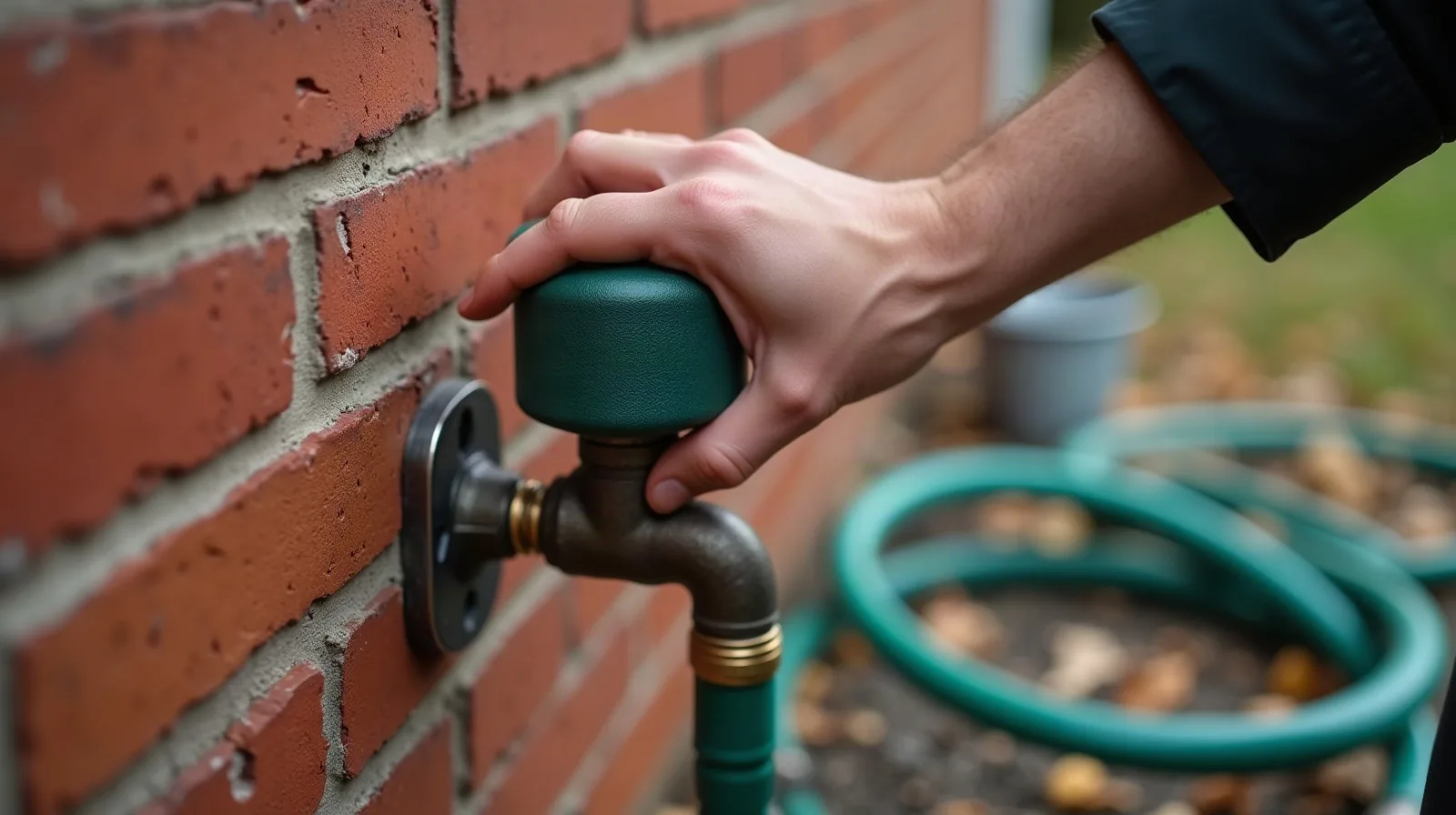
- Disconnect every garden hose. A hose left attached traps water in the faucet and the pipe behind it. Drain the hose and store it.
- Shut off and drain outdoor lines. If the house has an indoor shutoff for the outdoor faucet, close it, then open the outdoor faucet so the remaining water drains out. Leave it open until spring.
- Cover the faucet. A foam faucet cover is inexpensive and takes seconds to fit. It is a backup, not a replacement for disconnecting the hose.
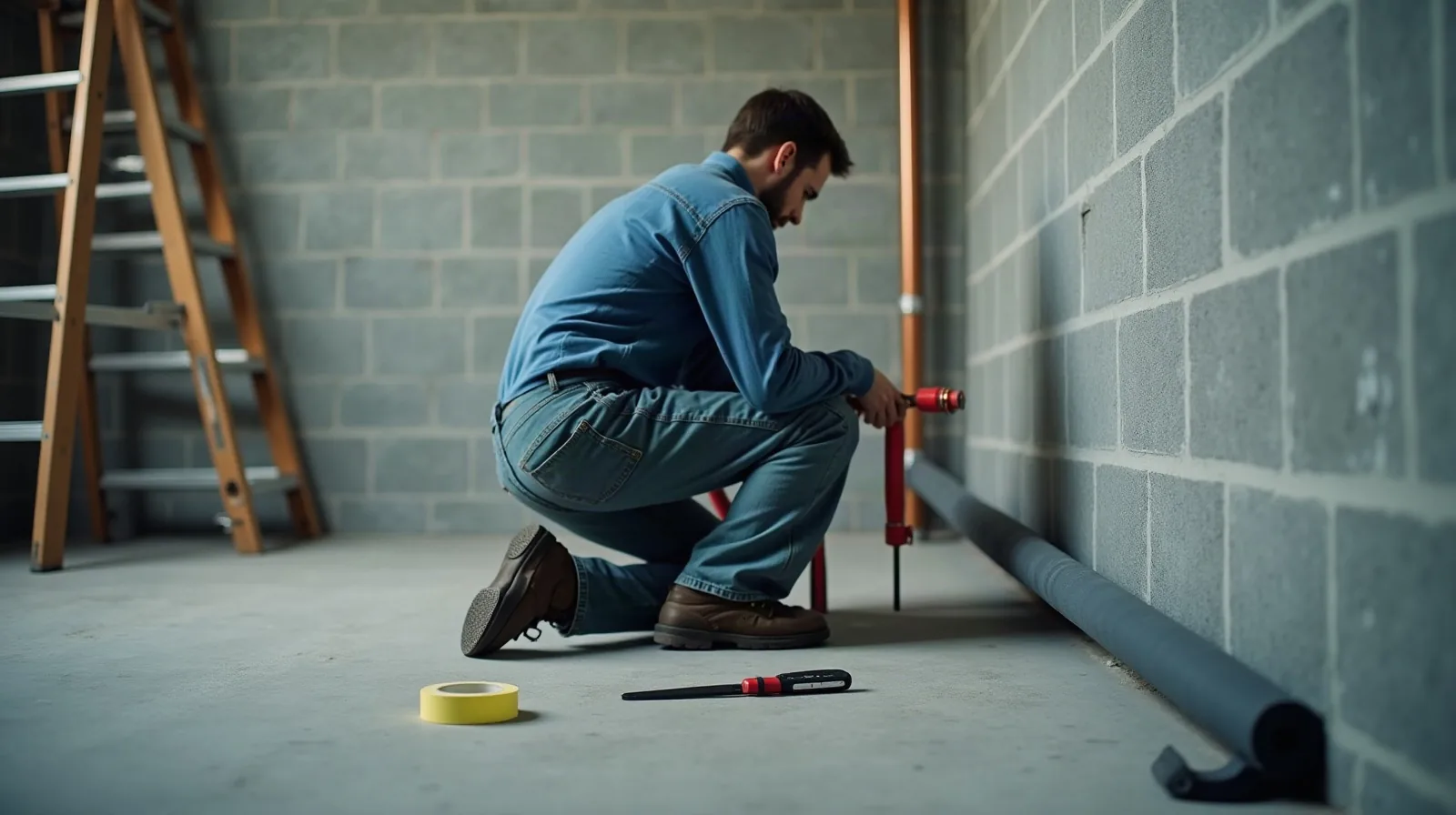
- Insulate exposed pipes. Slip-on foam pipe sleeves cut to length and fit around pipes in the basement, garage, and crawl space. Press the seams closed and tape any joints and elbows.
- Seal the cold-air gaps. Fill openings around pipes, cables, and vents with caulk or spray foam. The same method used for sealing drafts around doors and windows works here.
- Know where the main shutoff is. If a pipe does split, closing the main is the first move. Our guide to finding your home’s shutoffs walks through it.
On the Coldest Nights
When the forecast drops well below freezing, a few simple habits keep water moving and warm air reaching the pipes:
- Open the cabinet doors under kitchen and bathroom sinks that sit on exterior walls so room air can reach the pipes. Move any cleaning products out of reach of children and pets first.
- Let a faucet drip. A slow, steady trickle from a faucet on the exposed line relieves pressure and keeps water from sitting still.
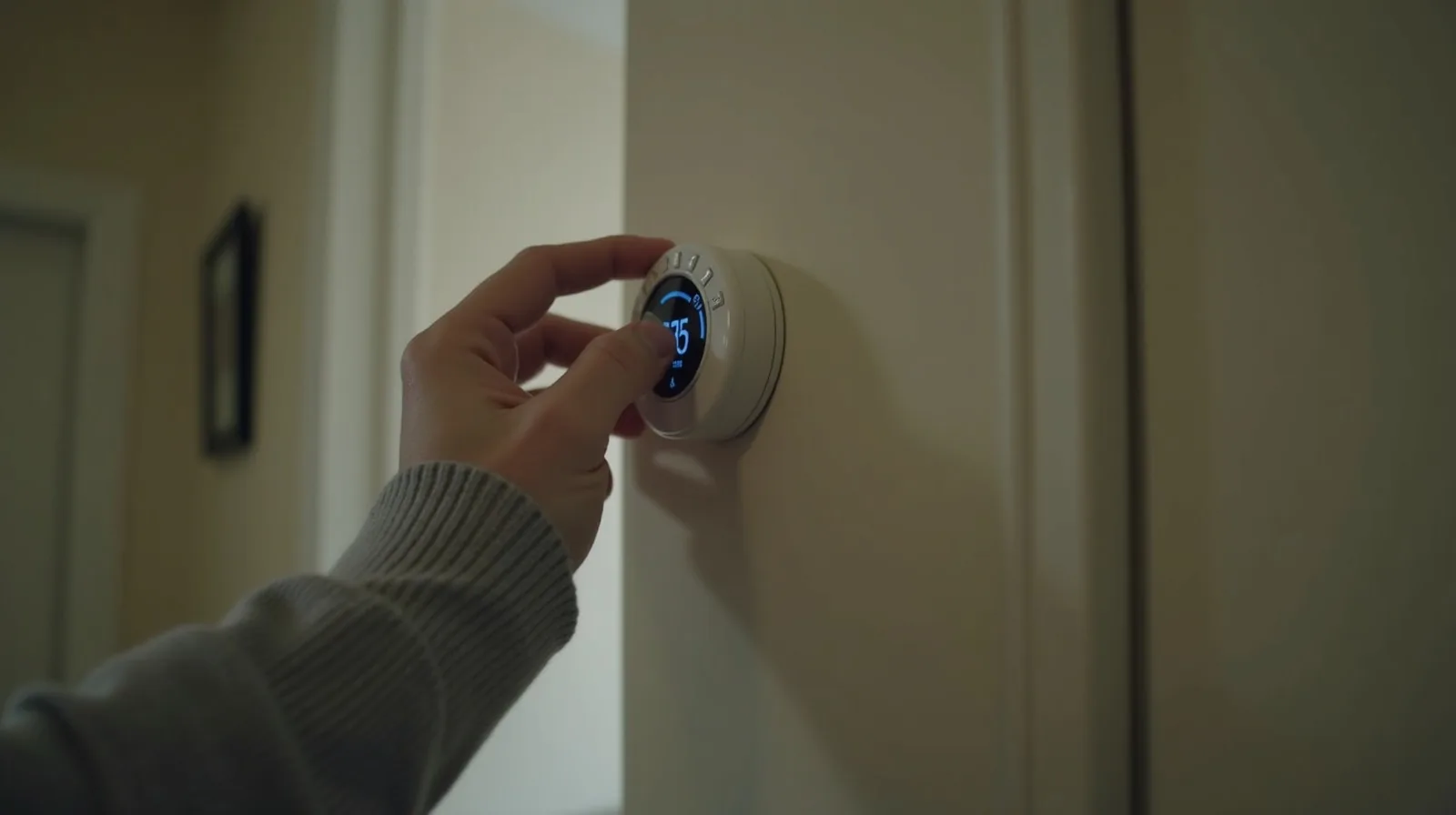
- Keep the heat on. Hold the thermostat at a steady temperature day and night rather than setting it back overnight, and keep it no lower than about 55°F (13°C) when you are out.
- Keep the garage door closed if water lines run through it.
Before You Leave for a Few Days
An empty house is where a frozen pipe does the most damage, because no one is there to notice. Keep the heat on at a safe, steady setting, ask someone to check the house if the weather turns severe, and consider shutting off the main water supply and draining the lines for a long absence. Our pre-departure checklist covers the rest of the house.
If a Pipe Freezes
The first sign is usually a faucet that gives only a trickle or nothing at all. If that happens in freezing weather, act right away, before the ice has a chance to split the pipe:
- Leave the faucet open. As the ice melts, water needs somewhere to flow, and the open tap relieves pressure.
- Find the frozen section. It is usually along an exterior wall or in an unheated space, and often feels colder or looks frosted.
- Warm it slowly. Use a hair dryer on a low setting, a heating pad, or towels soaked in hot water, working from the faucet end toward the frozen section.
- Never use an open flame. A torch, a propane heater, or a camp stove can start a fire or damage the pipe.
- Check for leaks after it thaws. Look along the pipe and the ceiling and walls below it. A hiss, a drip, or a wet patch means a crack.
If you cannot find the frozen section, cannot reach it, or the pipe has already split, shut off the main water and call a plumber.
If a Pipe Bursts
Shut off the main water supply first, then turn off the electricity to any area where water is reaching outlets or fixtures if you can do it safely. Open a faucet at the lowest point of the house to drain the system, move belongings out of the way, and take photos for your insurance claim before you start cleanup. Then call a plumber.