Utility bills are sneaky because they never spike enough to alarm you. A few dollars more this month, a slightly higher number next winter — no single bill makes you sit up, so the cost quietly creeps upward and you just pay it. But a lot of that money is leaking out through waste you can't see, and plugging the leaks doesn't require freezing in the dark or a lifestyle downgrade. It just requires knowing where the money actually goes and making a few low-effort changes to the big levers.
Heating and cooling is the big one
In most homes, heating and cooling dwarfs everything else on the bill, which means it's where the biggest savings hide. The good news is you don't have to be uncomfortable to cut it:
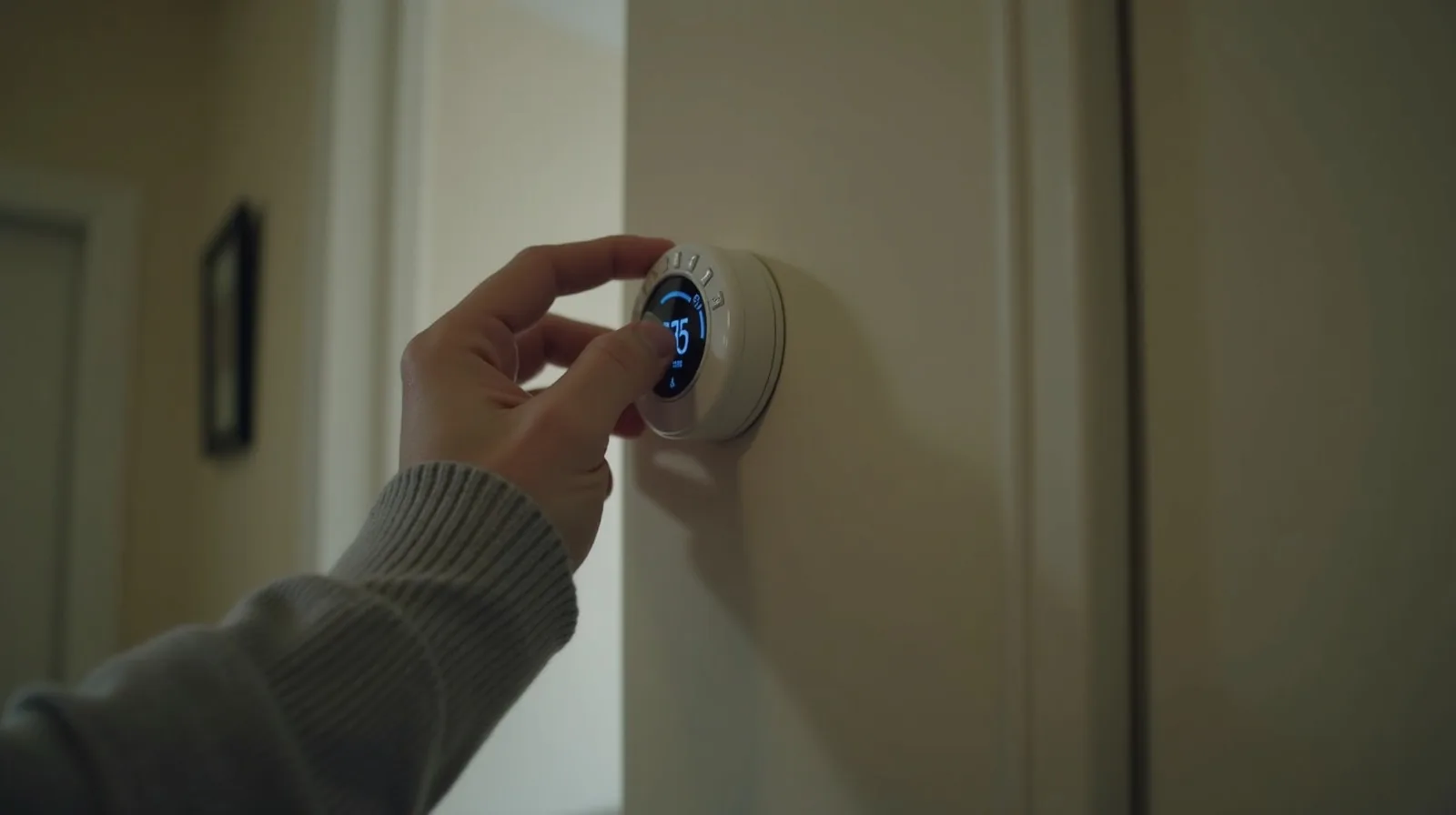
- Nudge the thermostat a few degrees in the money-saving direction — slightly cooler in winter, slightly warmer in summer. A few degrees you barely notice adds up to real money over a season.
- Set it back when you're asleep or out. There's no reason to heat or cool an empty house or a sleeping one to daytime comfort; a programmable or smart thermostat does this automatically.
- Stop the drafts. Sealing gaps around doors and windows keeps the air you paid to heat or cool from leaking straight outside — one of the cheapest fixes with a real payback.
Because this category is so large, small improvements here move the bill more than anything else you can do.
Water heating: the quiet runner-up
Heating water is often the second-biggest energy cost, and it's easy to trim without noticing:
- Turn the water heater down to a warm-not-scalding setting — many are factory-set hotter than anyone needs, burning energy to keep water at a temperature you then mix back down.
- Shorter showers and cold-water laundry cut hot-water use painlessly; most loads clean perfectly well in cold.
- Fix the dripping hot tap, which is literally money down the drain, drop by drop.
Phantom power: paying for things that are “off”
Many devices draw power around the clock even when they appear to be off — chargers left plugged in, entertainment gear on standby, the second TV nobody watches. Individually it's small; across a whole house it's a constant, invisible trickle you pay for every hour of every day. Group the worst offenders (the TV-and-console cluster, the desk of chargers) onto power strips you switch off when not in use, or simply unplug the chargers that sit there glowing. It's the closest thing to free money on the whole bill.
Lighting and the little stuff
Lighting is a smaller slice, but it's genuinely low-effort to fix. Switching to efficient LED bulbs uses a fraction of the energy and they last for years, so it pays back and then keeps paying. Add the obvious habit of turning off lights in empty rooms, run the dishwasher and laundry only when full, and you tidy up the remaining leaks. None of these are dramatic on their own; together they close the gaps.
Catch the creep before it compounds
The real trick is simply paying attention, because the whole problem is that bills climb while you're not looking. Glance at your usage now and then, notice when a bill jumps for no clear reason (a sudden spike can even flag a hidden problem like a running toilet or a failing appliance), and make the easy changes once so they keep saving on autopilot. You're not aiming to obsess — just to stop the quiet, year-after-year creep.
Utility waste hides in the fact that it's gradual and invisible. Aim at the big levers — heating and cooling first, then water heating, phantom power, and lighting — with changes small enough that daily life feels the same. The leak closes, the bills stop creeping, and the savings repeat every single month without another thought.