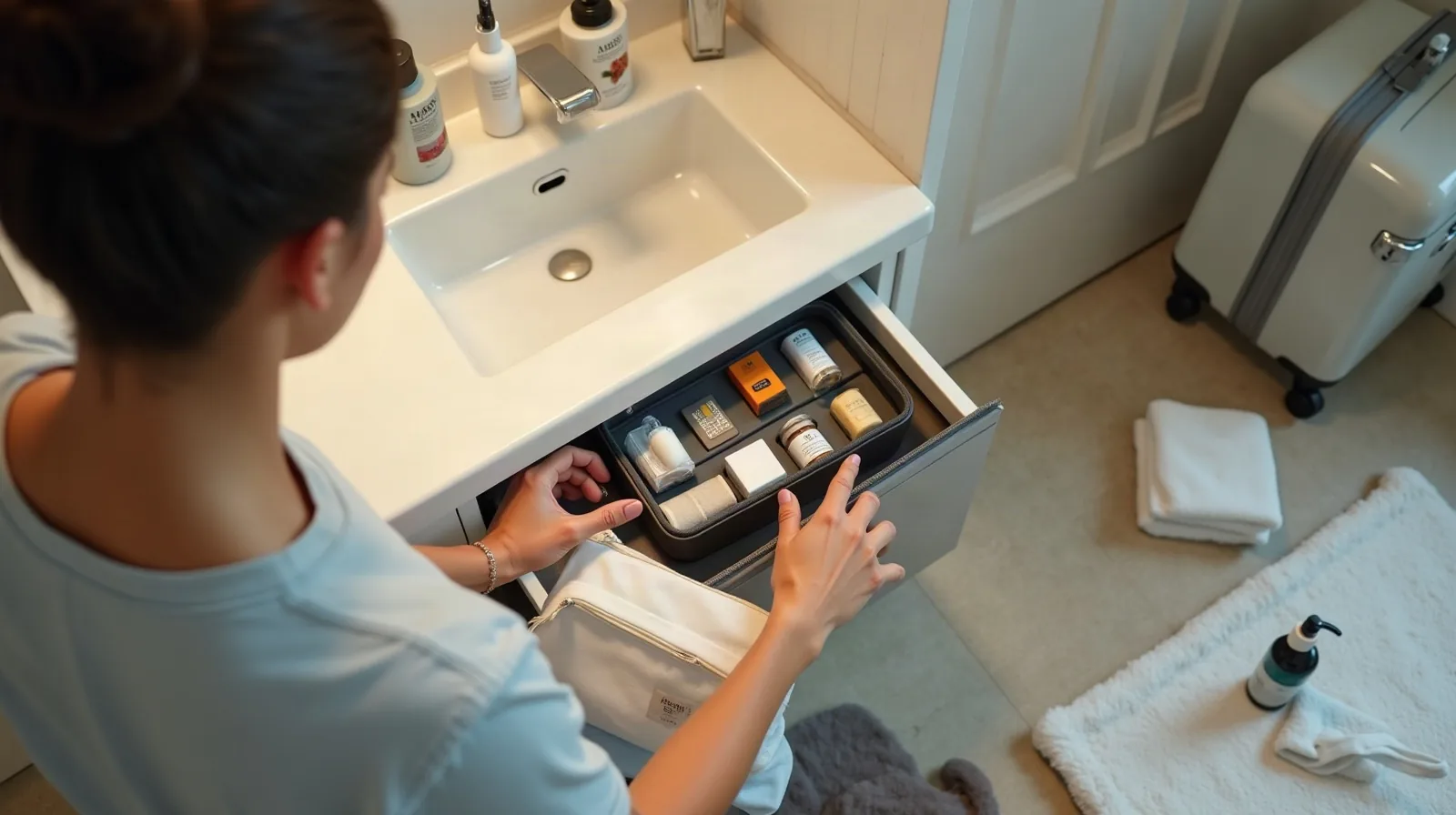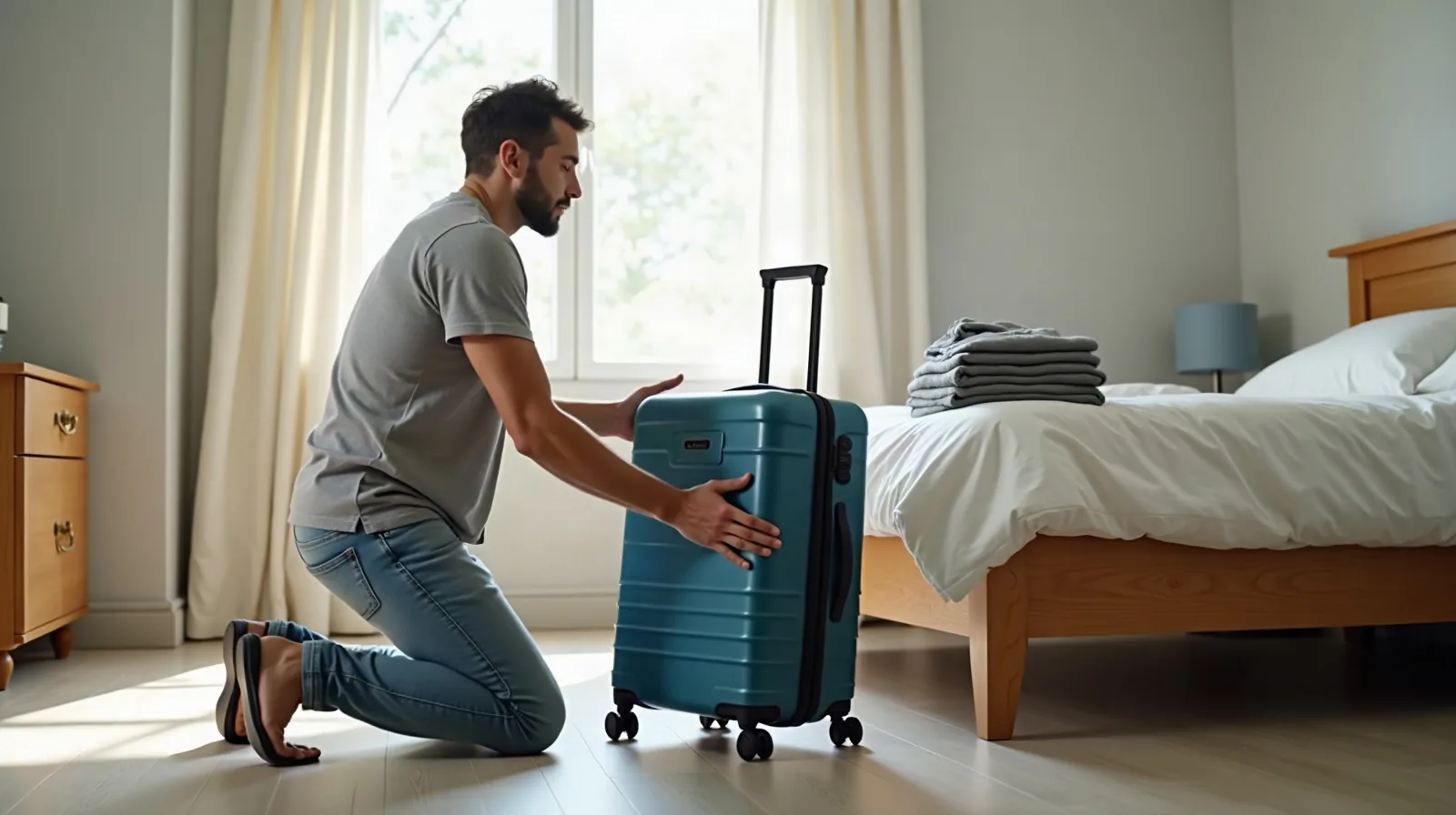
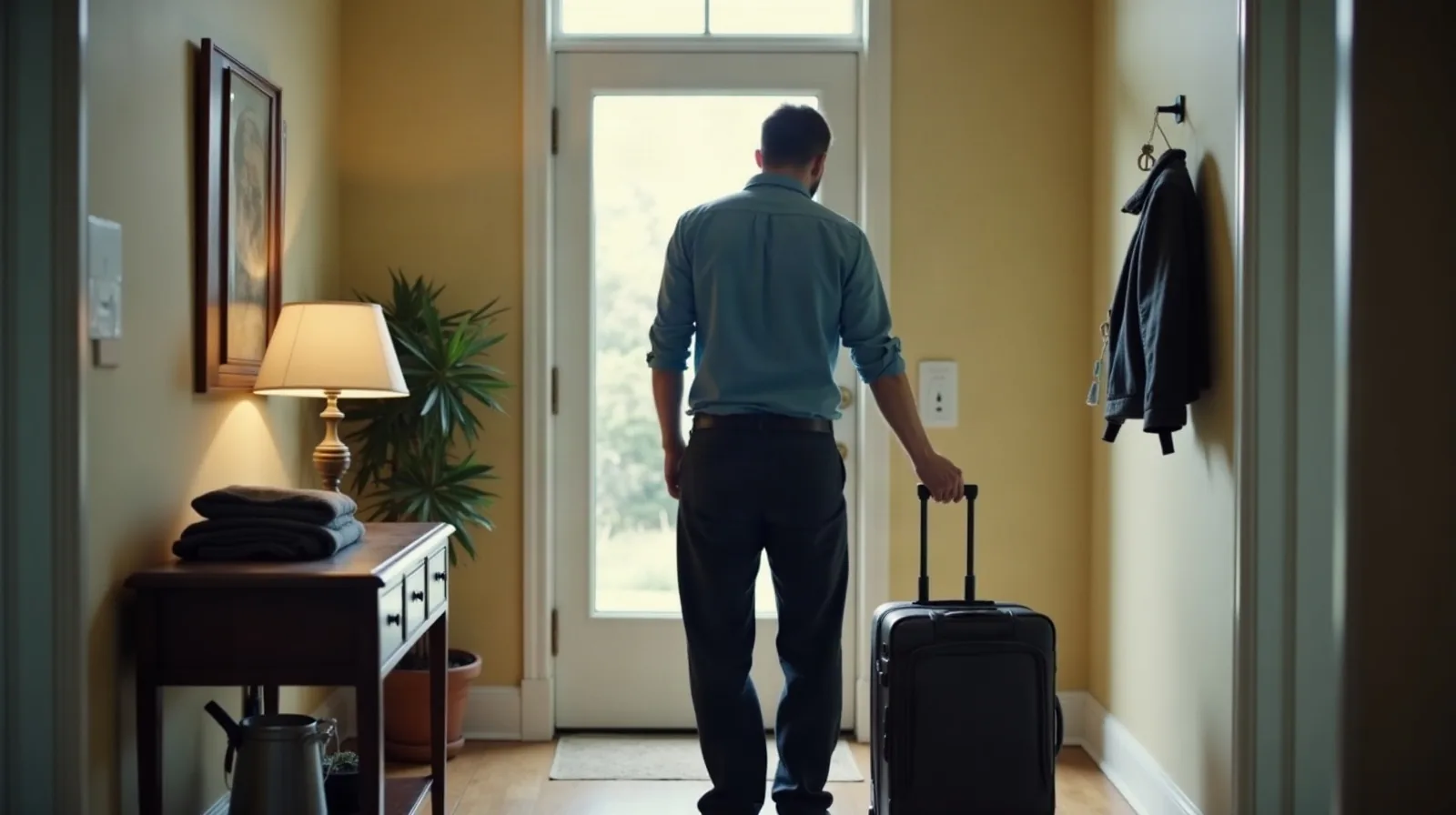
Most trip-day regrets happen within a few feet of the front door: a stove left warm, a tap dripping, a package announcing to the street that nobody is home. None of it is dramatic, but all of it is avoidable with a few minutes of prep.
The fix is a short checklist you run in the same order every time. Because it never changes, it stops being a decision and becomes a habit, and your mind stays free for the trip itself.
Start Two Days Before You Leave
Anything that needs a little lead time goes first, so the last evening is calm instead of frantic:
- Eat down the fridge. Plan the last few meals around what is perishable, and bag up anything that will not last until you return.
- Run the laundry and dishwasher. Coming home to a clean kitchen and empty hamper is a genuine gift to your future self.
- Handle the mail. Ask a neighbor to collect it, or use your postal service's free hold option for longer absences.
- Line up care. Pets, indoor plants, and anything that needs checking all need a named person with clear written instructions.
- Charge the essentials. Phones, power banks, and anything else you will need for the journey.
The Last-Evening Sweep
This is the core of the list. Walk the house once, in a fixed order, and settle four systems:
- Water. Check every tap and the toilets for drips. For absences of more than a few days, consider closing the main shutoff valve, which removes the risk of a burst hose flooding an empty house. If your water heater has a vacation setting, use it.
- Heat and cooling. Set the thermostat to an energy-saving level rather than switching it off, so pipes do not freeze in winter and the house does not turn into a sauna in summer.
- Food and trash. Take out the garbage and any compost. Wipe the counters. Empty the fridge of anything that will spoil.
- Power. Unplug small appliances you do not need, such as coffee makers, toasters, and chargers. It trims standby draw and removes a small fire risk.
Make the House Look Lived In
An empty home is most at risk when it looks empty. A few quiet cues help without any gadgets:
- Use timers. A plug-in timer on one or two lamps, set to follow your normal evening pattern, is far more convincing than a light left on around the clock.
- Keep the outside tidy. Arrange for the lawn to be mowed or snow cleared, and have a neighbor move any packages or flyers from the porch.
- Close blinds partway, not fully. Fully shut blinds in the daytime signal that no one is home. Angle them so valuables are not visible from the street.
- Stay quiet online. Wait until you are back to post trip photos, or limit them to close friends.
The Final Five Minutes
Right before you leave, run one last pass. Say each step out loud if it helps:
- Stove, oven, and iron: off and cool.
- Windows and garage: closed and locked, including the ones on upper floors.
- Thermostat and lamps: set, and timers confirmed.
- Documents and keys: passport, tickets, wallet, phone, and the house key itself, in your bag.
- Front door: locked, and tested by pulling the handle once.
Before you step out, take a quick photo of the stove knobs and the locked door. If a doubt creeps up halfway to the airport, a glance at your phone settles it without turning the car around.
Set Up a Safety Net
Give one trusted person a spare key, your travel dates, and your contact details. They are your plan B for a delivery mix-up, a power cut, or an alarm that will not stop. If you have a home alarm, make sure it is armed and that the contact list is current. A leaving-home note on the fridge with the water shutoff location is also worth the minute it takes to write.
Returning Home
The checklist has a second half. When you walk back in, do a short check before unpacking: open the fridge, run each tap briefly, look at the ceilings for stains, and check that the heat or cooling kicked back in. Then reset the thermostat, turn the water heater back up, and unpack. Catching a problem in the first ten minutes is far cheaper than finding it a week later.