Most people load the fridge by whatever space is free — milk in the door, leftovers wherever they fit, meat on top of the vegetables. But a fridge isn't a single uniform cold box. It has distinct temperature zones, and matching food to the right zone genuinely makes it last longer and keeps you safer. There's also a short list of everyday foods that shouldn't be in the fridge at all, where the cold quietly wrecks them.
The fridge has zones
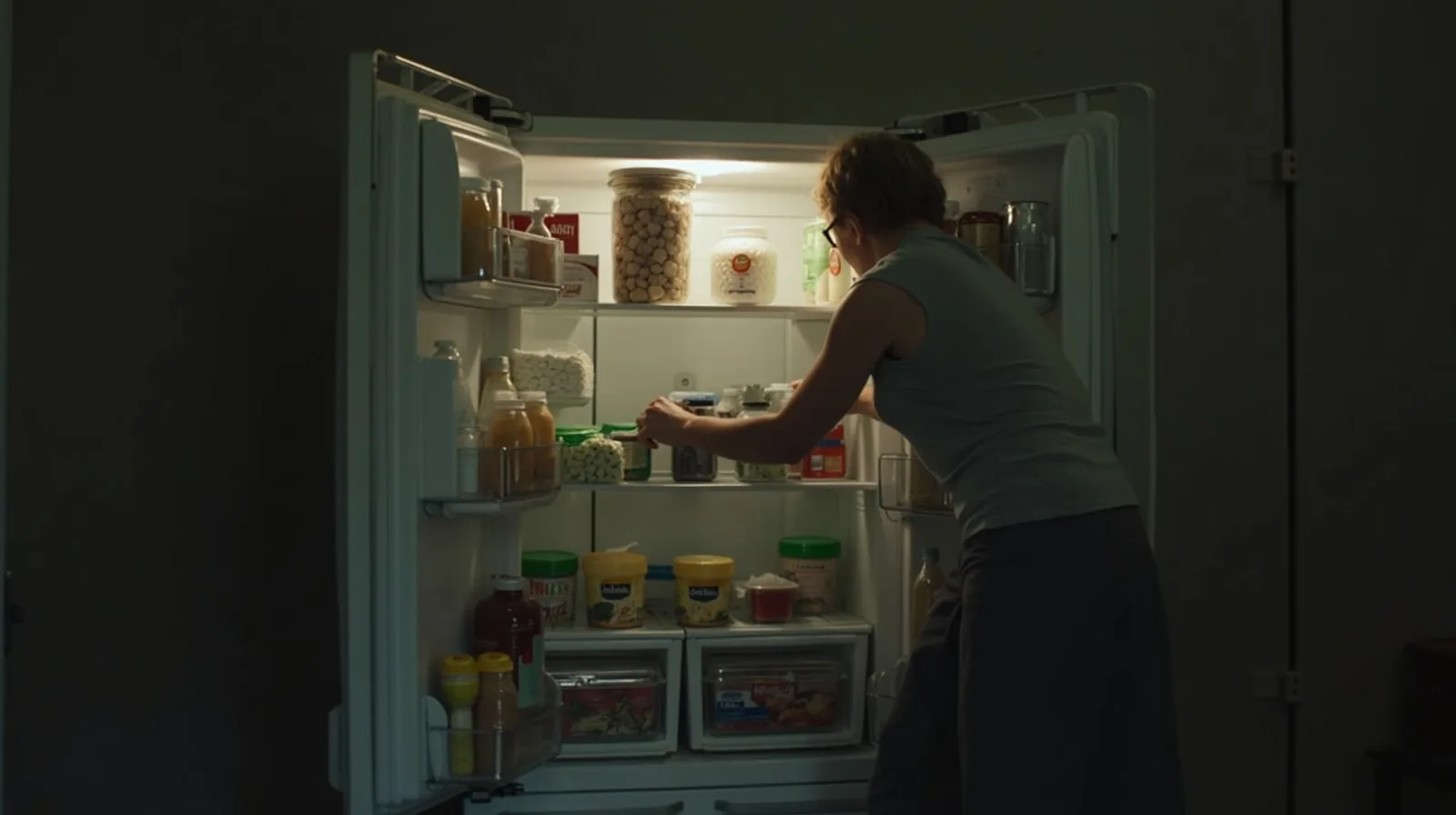
Cold air sinks and settles, so the temperature isn't the same everywhere. The back and bottom are the coldest, the door is the warmest (it gets a blast of room air every time you open it), and the middle shelves sit somewhere in between. The drawers have their own controlled humidity. Once you know this map, where things go stops being random:
- Door (warmest): only things that tolerate temperature swings — condiments, jarred sauces, and other well-preserved items. This is the wrong place for milk and eggs, despite the molded egg shelf many doors have.
- Upper and middle shelves (steady, moderate): ready-to-eat foods, leftovers, dairy, and drinks. Keep leftovers here in clear containers so they get eaten, not forgotten.
- Bottom shelf (coldest): raw meat, poultry, and fish — always the lowest shelf, so if anything leaks it can't drip onto food below. This is the single most important food-safety habit in the fridge.
- Crisper drawers: fruits and vegetables, using the humidity slider — high humidity for leafy things that wilt, lower for fruits that rot.
Why the bottom-shelf rule matters most
If you remember one thing, make it this: raw meat goes on the bottom shelf, always. It's both the coldest spot (which slows bacteria) and the lowest, so its juices can never drip down onto produce or ready-to-eat food and cross-contaminate them. Storing raw meat above other food is one of the most common kitchen mistakes, and it's the kind that can actually make people sick. One shelf change removes the risk entirely.
Foods that should never go in the fridge
Refrigeration isn't universally good — for some foods it destroys texture or flavor:
- Tomatoes turn mealy and lose flavor in the cold; keep them on the counter.
- Potatoes, onions, and garlic want a cool, dark, dry cupboard — the fridge's damp cold makes potatoes gritty-sweet and sprouts onions. (Keep potatoes and onions apart, too; together they spoil each other faster.)
- Bread goes stale faster in the fridge, not slower; keep it out for a few days or freeze it for the long term.
- Whole uncut fruits like bananas, and unripe fruit generally, ripen better on the counter — refrigerate only once ripe, if at all.
- Coffee, honey, and most oils don't belong in the cold either.
Put it into practice
You don't need to reorganize everything at once. Just make three moves: shift raw meat to the bottom shelf, move milk and eggs out of the door onto a shelf, and take the tomatoes, potatoes, onions, and bread out of the fridge entirely. Those changes alone will make your food last longer, taste better, and be safer — using space you already have, arranged a little more on purpose.