You buy a beautiful bunch of herbs and a bag of greens with the best intentions, and four days later half of it is slime at the bottom of the drawer. It feels like waste is just the cost of eating fresh food. It mostly isn't. Produce is alive, and it keeps living in your fridge — breathing, losing moisture, and reacting to the things stored next to it. Store it in a way that works with that biology and the same haul lasts twice as long.
The two things that actually spoil produce
Almost all premature spoilage comes down to moisture being in the wrong place and a ripening gas called ethylene. Too little moisture and greens wilt; too much sitting water and they rot. And some fruits give off ethylene that speeds everything nearby toward overripe. Nearly every storage trick below is really just managing those two forces.
Soft herbs: treat them like flowers
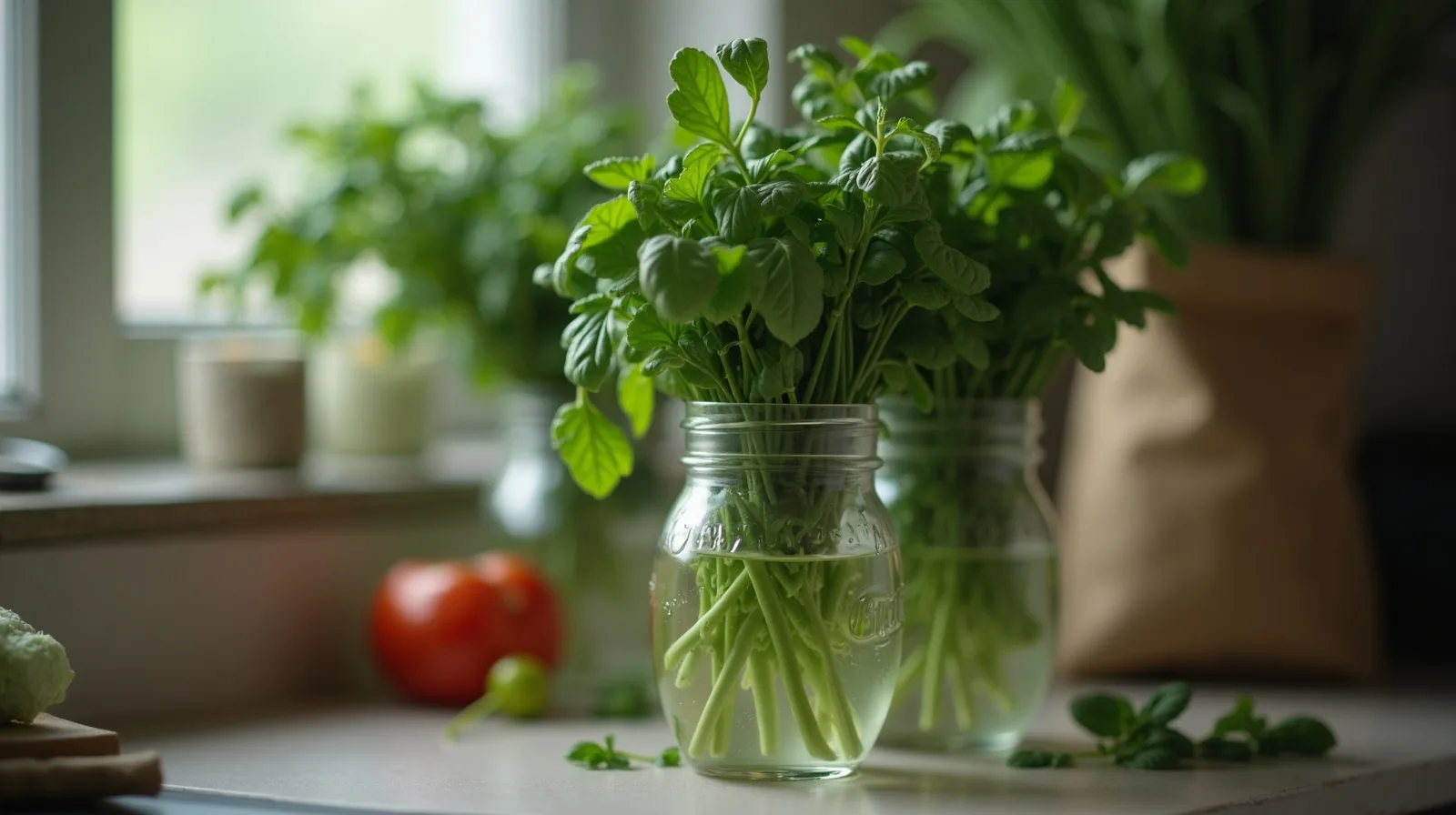
Tender herbs — the leafy, soft-stemmed ones — last far longer standing in water than sealed in a bag. Trim the stem ends, put them in a jar with an inch of water like a bouquet, drape a loose bag over the top, and keep them on a shelf (or the counter for the most delicate ones). Change the water when it clouds. You'll go from three days to well over a week. Hardier woody herbs do better the opposite way: rolled in a slightly damp towel inside a loose bag.
Leafy greens: add a towel, not a seal
Greens rot when condensation pools around them. The fix is a dry paper towel or clean cloth tucked into the container or bag — it absorbs the excess moisture that would otherwise turn leaves to slime, while keeping just enough humidity that they don't wilt. Store them loosely, not crushed, and don't wash them until you're about to use them; surface water is what starts the rot.
Use the crisper drawers on purpose
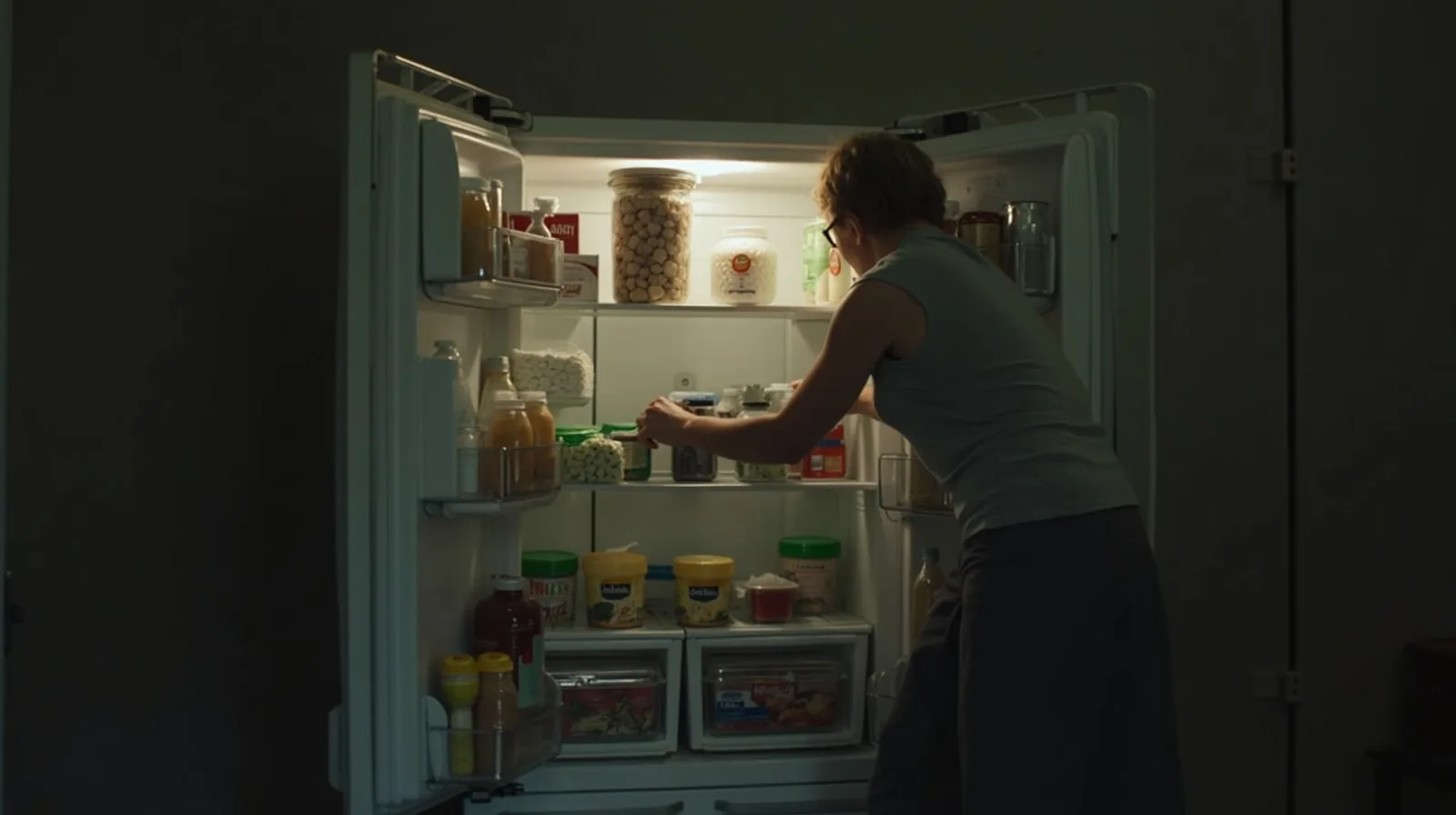
Those drawers have a humidity slider for a reason, and most people never touch it. Here's the logic:
- High humidity (vent closed) for things that wilt — leafy greens, herbs, and most vegetables. Trapping moisture keeps them crisp.
- Low humidity (vent open) for things that rot — most fruits, which give off ethylene that needs to escape.
If your fridge only has one drawer, favor the greens and give fruit its own spot elsewhere.
Keep the ethylene producers separate
A few common fruits — apples, bananas, and others that ripen on the counter — give off a lot of ethylene. Kept next to greens and delicate vegetables, they'll age them fast. Just store the big ethylene producers apart from the things you want to stay crisp, and you've defused half of your fridge's spoilage without buying anything.
A few quick wins
- Don't wash berries until you eat them; a quick dunk in a vinegar-water bath then a thorough dry buys extra days.
- Keep mushrooms in a paper bag, never plastic — they need to breathe or they get slimy.
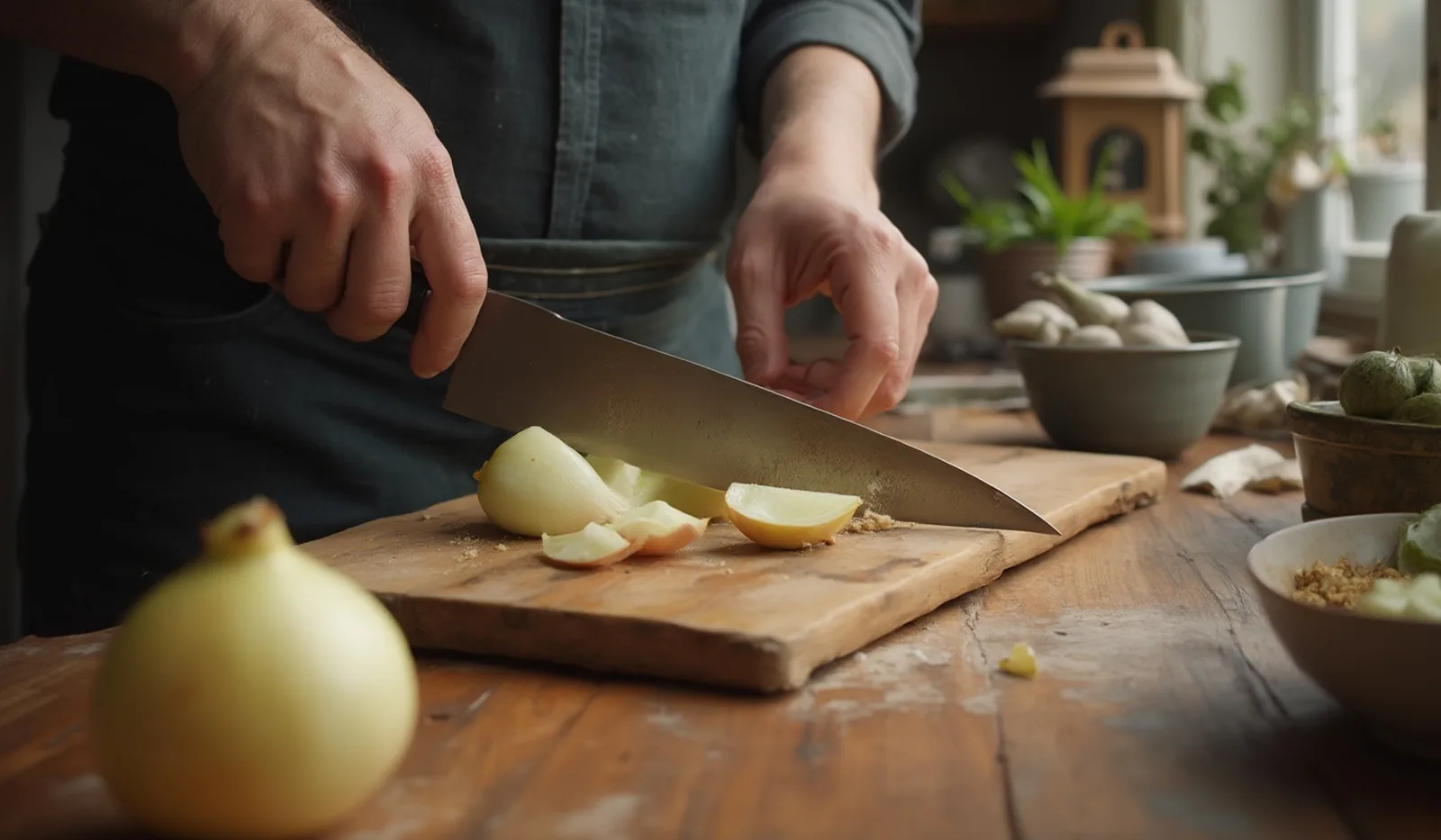
- Store potatoes, onions, and garlic in a cool, dark, dry spot — and keep potatoes and onions apart, since together they hurry each other along.
None of this is fussy once it's a habit. It's a jar of water, a spare towel, a humidity slider, and a little distance between the fruit and the greens. The reward is a produce drawer you actually finish before it turns.