A washing machine that smells musty, drains slowly, or throws an unfamiliar error code doesn’t always need a repair call. Most front-loaders, and a good number of top-loaders too, have a small drain-pump filter hidden behind a panel near the bottom front of the machine — and it’s almost never mentioned in day-to-day use. Over time it collects lint, coins, buttons, and general grime pulled out of pockets and fabric, and once it’s clogged, the whole machine starts to struggle.
Why This Filter Matters
The drain-pump filter sits in the path of every gallon of water that leaves the machine during a cycle, catching small debris before it can damage the pump or clog the drain line. When it’s clean, this is invisible — the machine just works. When it’s packed with lint and grime, several things start going wrong at once: water drains more slowly or incompletely, leaving clothes damper than they should be at the end of a cycle; a musty or sour smell develops, since trapped wet lint is exactly the environment mildew needs; and on many machines, an error code specifically related to draining will start appearing on the display, prompting a service call that a five-minute filter clean would have avoided.
Finding and Cleaning It
The filter is usually located behind a small hinged flap or removable panel near the bottom-front corner of the machine, often marked with a small icon on the panel itself. Behind it is a round cap, sometimes with a small drain hose next to it. The process is straightforward but does involve some water:
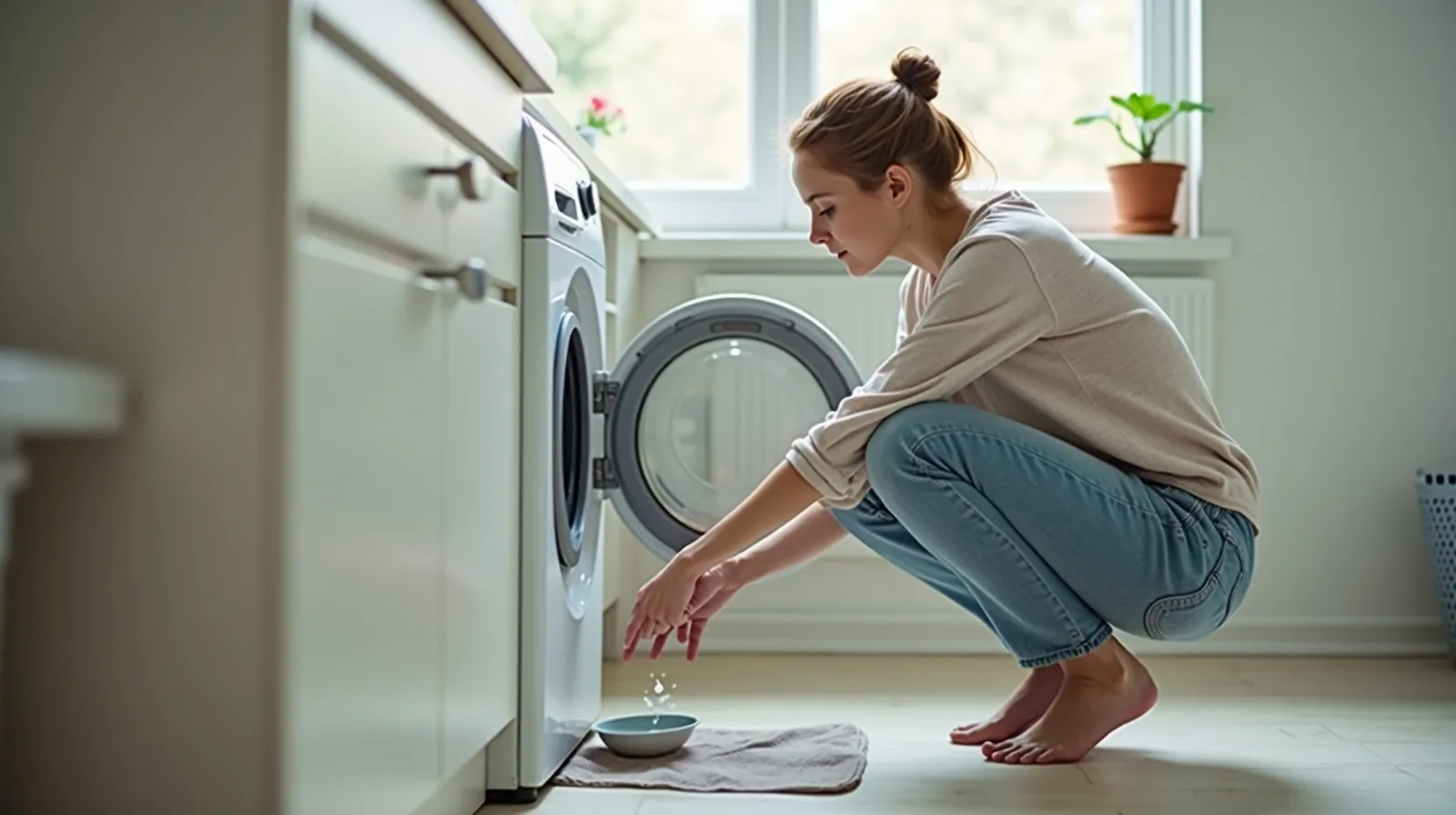
- Prep the area first. Lay an old towel down and have a shallow, wide bowl ready — some water will drain out as soon as the filter is loosened.
- Drain the small hose, if there is one. Pull it out over the bowl and let the residual water empty before removing the filter itself.
- Twist the filter cap and pull it out slowly. More water will follow; let it drain into the bowl in stages rather than all at once.
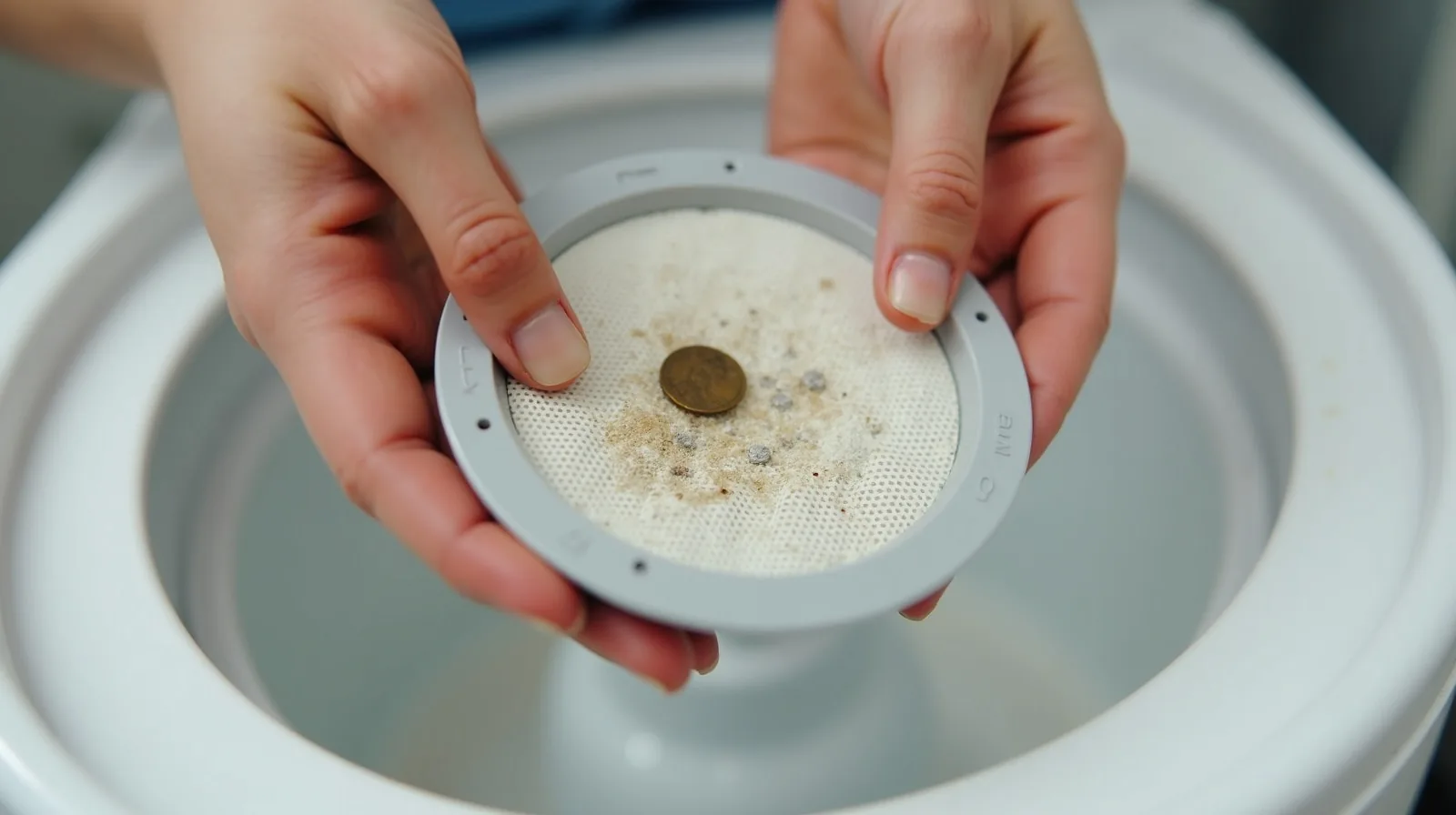
- Clear out the debris. Lint, coins, hair ties, and general grime collect directly in and around the filter housing — wipe it out and rinse the filter itself under a tap.
- Reseat it firmly. Twist the cap back into place until it’s snug; a loose filter cap is a common cause of small leaks afterward.
Two Other Spots That Collect Grime
The filter isn’t the only overlooked part of a washing machine. The rubber door gasket on front-loaders traps water, lint, and residue in its folds, which is the most common source of a lingering mildew smell — wiping it out with a cloth after cycles and leaving the door cracked open between loads prevents most of it. The detergent drawer builds up a sticky residue from concentrated soap and fabric softener over time; sliding it out and rinsing it under warm water every few weeks keeps it from turning into a source of mold in its own right. Running an empty hot cycle with a cup of white vinegar every month or two helps flush out residue from all three areas at once and keeps the whole machine smelling neutral instead of faintly sour.
Keeping Up With It
A monthly check is enough for most households, more often for a family that does frequent loads or has pets shedding into every wash. It’s a five-minute task once the location is familiar, and it heads off the two most common washing-machine complaints — bad smells and poor draining — before either becomes a real problem. Keeping a dedicated small towel and bowl near the machine removes the last excuse for skipping it. If a machine has been running for years without ever having its filter checked, expect the first cleaning to turn up a genuinely surprising amount of debris — coins, hair ties, small toy pieces, even the occasional stray sock button — and don’t be alarmed if draining and spin performance noticeably improve right afterward. That improvement is itself a good sign the filter had been overdue for attention.
None of this requires any special knowledge of the machine’s inner workings — the filter, gasket, and drawer are all designed to be accessed and cleaned by hand, without tools beyond what’s already sitting in most kitchens. The only real requirement is remembering they’re there in the first place.