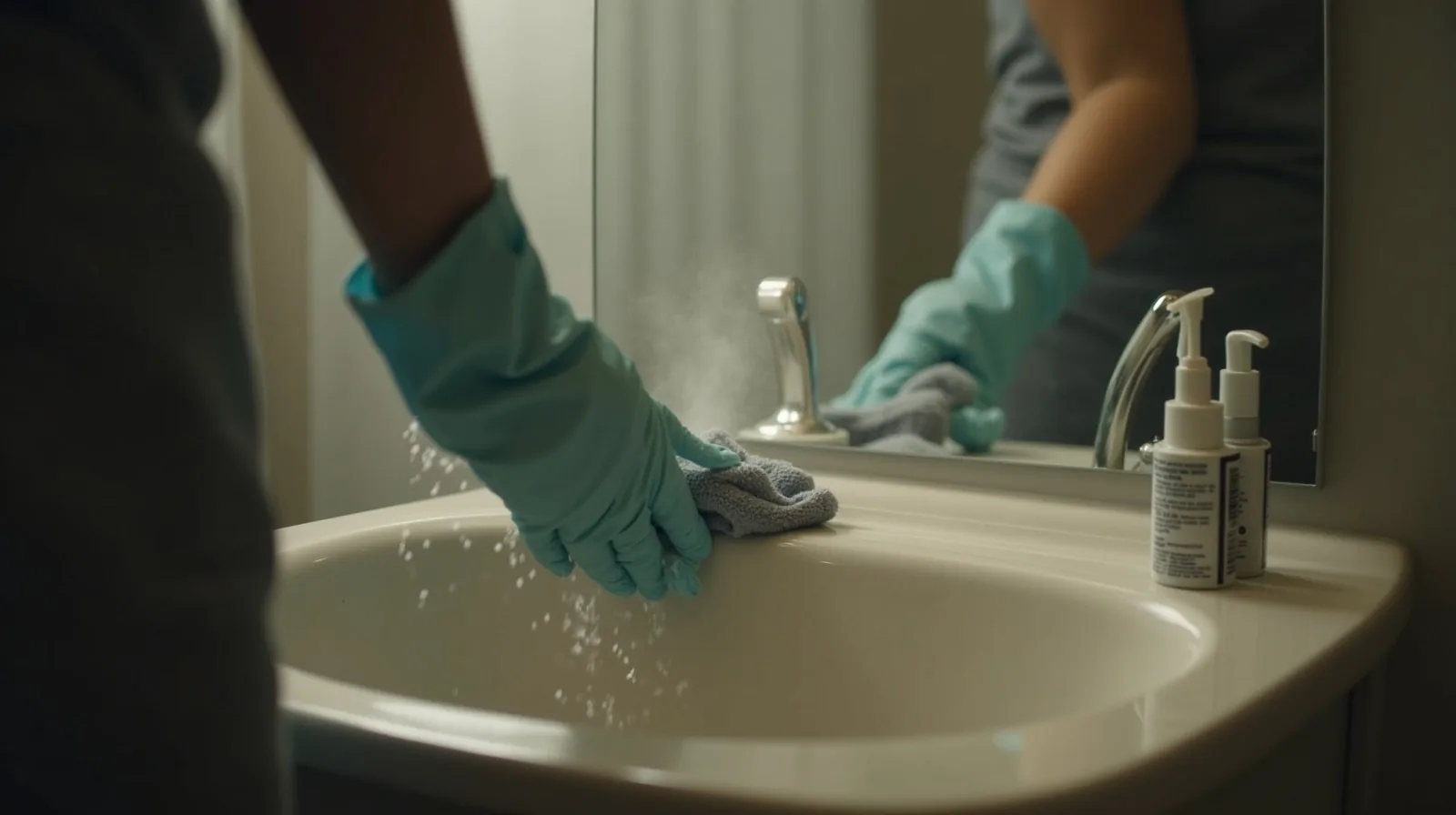
Every room with central heating or air conditioning has at least two kinds of vents doing very different jobs, and most people never learn to tell them apart. Supply vents push conditioned air into a room; return grilles pull room air back toward the system to be filtered and reconditioned. Both collect dust constantly, but it’s the return grille — larger, often lower on a wall, and handling a much bigger volume of air — that usually turns into the dustiest, most overlooked surface in the house.
Supply Vents vs. Return Grilles
A supply vent is usually the smaller of the two, has adjustable louvers or slats to direct airflow, and you can feel air actively moving out of it when the system runs. A return grille is typically larger, has a flatter, denser mesh pattern, and pulls air in rather than pushing it out — hold a hand near it while the system runs and you’ll feel gentle suction instead of a breeze. Because a return handles the air coming from an entire room or a whole section of a house, it acts like a filter of its own, catching hair, pet dander, and dust on its grille long before that air ever reaches the actual system filter.
Why This Matters Beyond Dust
A dusty vent or grille isn’t just a cosmetic issue. A layer of buildup across the slats of either one restricts airflow, which forces the system to work harder to move the same amount of air — a small drag on efficiency that adds up over a full season of use. Dust sitting on a supply vent gets blown directly back into the room every time the system kicks on, which is a meaningful contributor to household dust and can aggravate allergies or asthma. A grimy return grille has the same effect in reverse, pulling dust-laden air toward the system and, over time, contributing to buildup deeper inside the ductwork that’s much harder to clean than the visible grille itself. A room that always seems to need dusting again within days of a cleaning, even though nothing else has changed, is worth checking for exactly this — the vents themselves may be the source, not the furniture or floors.
How to Actually Clean Them
Cleaning both types is simple and doesn’t require any special tools:
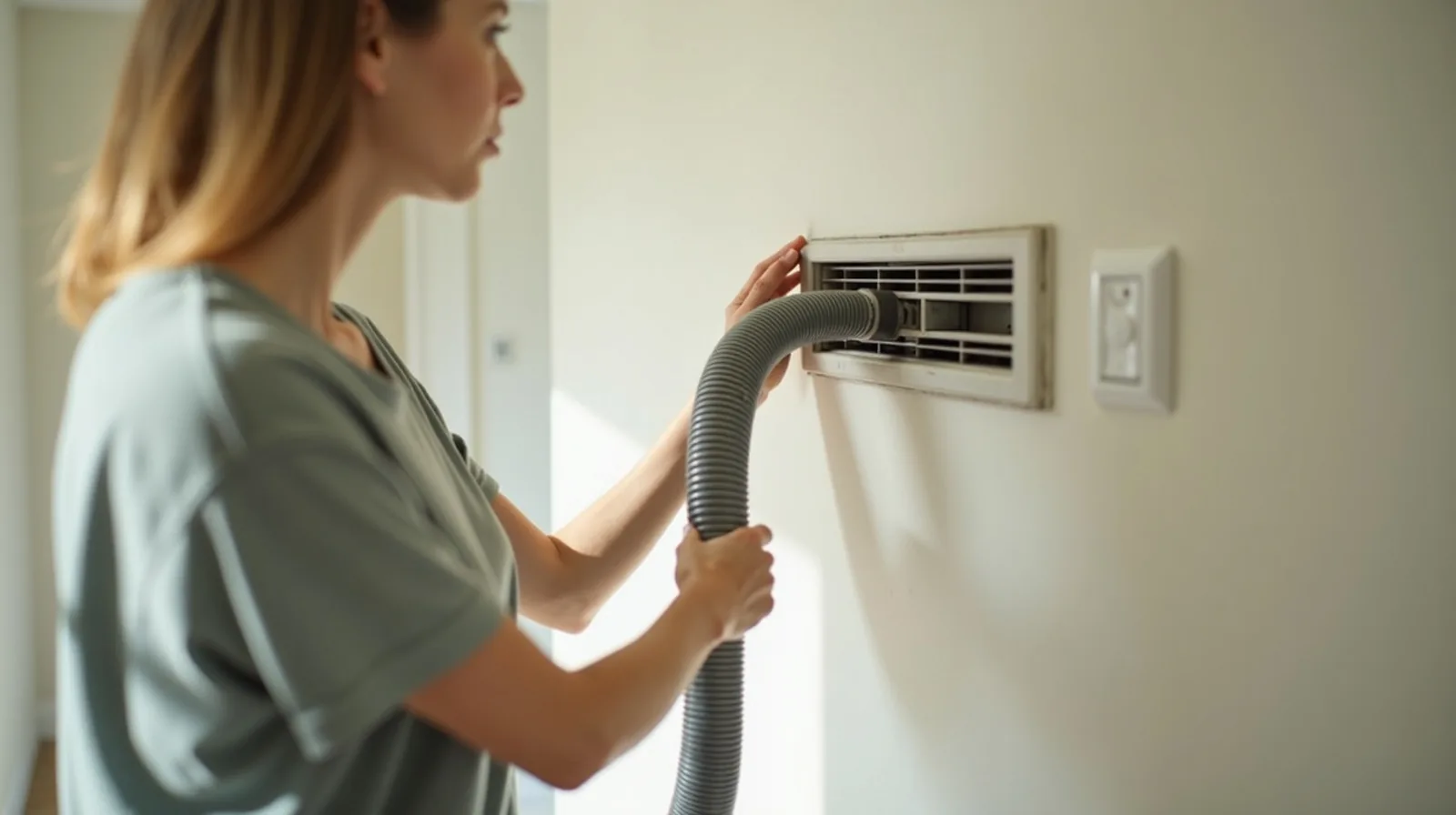
- Vacuum first, with the system off. A brush attachment lifts loose dust from the slats without pushing it further into the ductwork.
- Remove the cover for a real clean. Most vent and grille covers pop off with a screwdriver or simply unclip. Wash them in warm soapy water, rinse, and let them dry completely before reattaching — putting a damp cover back on invites mildew inside the duct opening.
- Wipe any visible ductwork just inside the opening. A cloth or a vacuum crevice tool can reach a few inches in, which is often where the heaviest buildup sits, especially on returns.
- Check adjustable slats on supply vents. Dust collects along each angled louver individually, and a narrow brush or an old toothbrush gets into those gaps better than a cloth.
The Filter Connection
None of this replaces changing the system’s main air filter on schedule, and the two tasks are closely related — a clogged filter forces the system to pull harder through the returns, which can actually worsen dust buildup on the grilles themselves. A simple standing schedule covers both: check or change the filter roughly every one to three months depending on the type and household (more often with pets), and vacuum every vent and return grille on the same visit, since you’ll already have a step stool or vacuum attachment out. A deeper clean — covers off, fully washed — once or twice a year keeps the whole system from becoming a dust factory in slow motion.
It’s a small task compared to most household chores, but it’s one that pays off in a way that’s easy to underestimate — a home with clean vents and a fresh filter genuinely feels less dusty within days, not weeks, since the system stops actively recirculating the problem every time it runs.