
A vacuum that suddenly feels weak isn’t usually dying — it’s suffocating. Every vacuum relies on one unbroken path of airflow, from the nozzle on the floor all the way to the motor, and it only takes one clog along that path to cut suction dramatically even though the motor still sounds fine. The fixes are almost always mechanical, not electrical: a filter caked with fine dust, a brush roll wound tight with hair, or a bin that’s fuller than it looks. None of it takes more than a few minutes to check, and doing it on a real schedule is the difference between a vacuum that lasts a decade and one that gets replaced every two years.
How a Vacuum Actually Loses Suction
A vacuum works by using a motor to pull air — and whatever’s mixed into it — through a sealed path: in through the floor nozzle, across the spinning brush roll, down the hose, through a filter, and out the exhaust. Suction is really just airflow, and airflow depends on that whole path staying clear. A single point of resistance anywhere along it, even a small one, throttles the airflow everywhere else, the same way pinching a garden hose cuts the flow at the nozzle. That’s why a vacuum can sound completely normal — motor spinning, belt turning — while barely picking anything up: the motor isn’t struggling, it’s just moving air through a much narrower opening than it’s built for. Three spots cause the vast majority of that resistance: the filter, the brush roll, and the bin or bag, and all three get worse gradually enough that most people don’t notice until the vacuum is doing almost nothing.
The Filter Almost Nobody Cleans
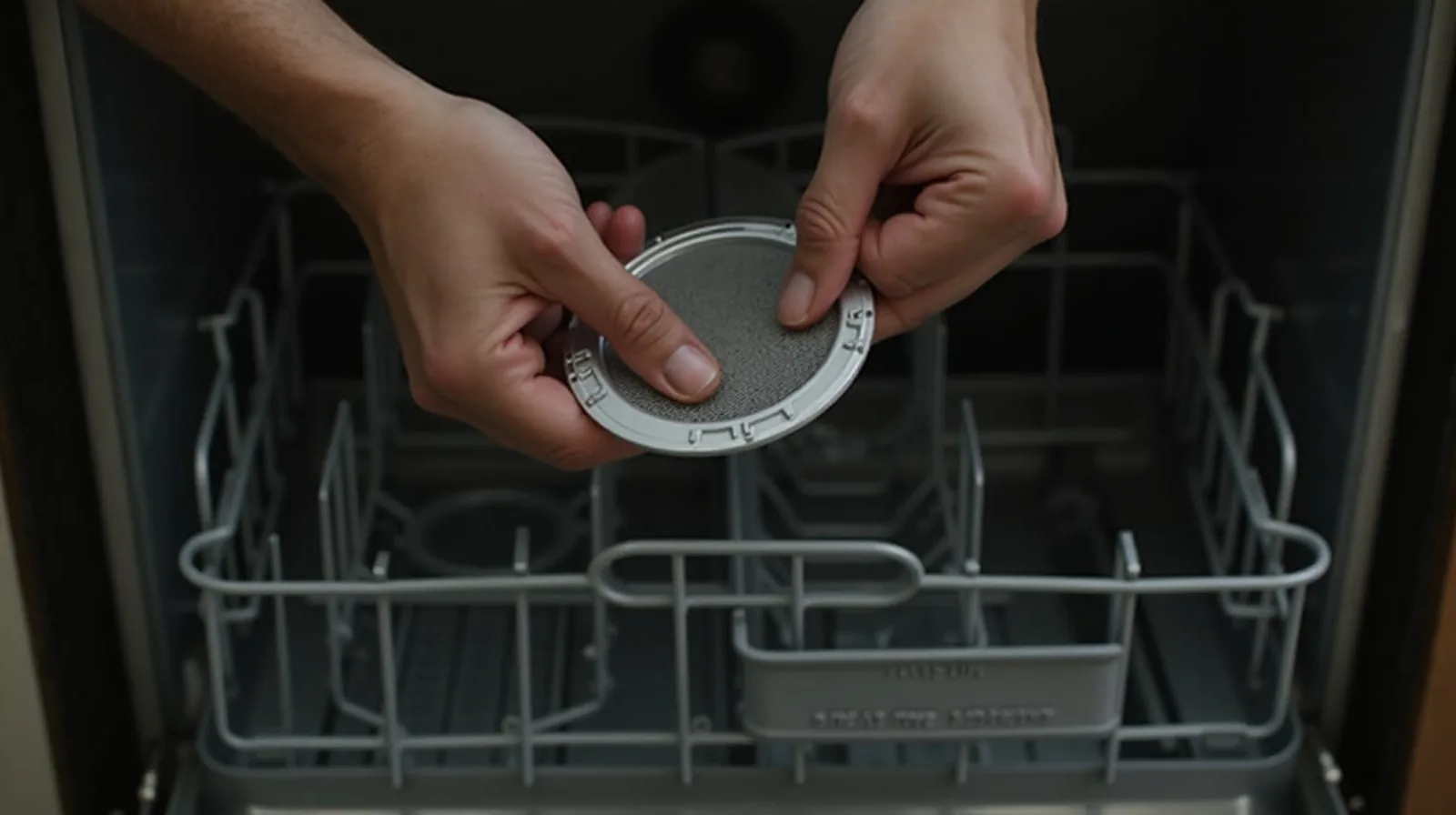
Every vacuum has at least one filter positioned between the bin and the motor, catching the fine dust too small for the bin or bag to trap before it reaches the fan. That filter does the least visible job in the machine and gets the least attention — plenty of owners never clean it at all. As it loads up with fine dust, it acts like a plug: air pushes through a clean filter easily but has to fight its way through a caked one, and suction drops steadily as it does. Check whether yours is washable or meant to be swapped; many foam and mesh filters just need a tap-out over a trash can followed by a rinse in cool water, then a full day to dry completely before going back in — a filter reinstalled damp breeds mold instead of stopping dust. Filters marked non-washable need periodic replacement instead of a rinse. Either way, a filter checked monthly and cleaned or swapped as needed is the single biggest lever most people are ignoring.
Clearing the Brush Roll
The brush roll is the spinning bar with bristles that agitates carpet fibers and sweeps hard floors, and it’s a magnet for hair and thread, which wind around it near the bearings at each end. Once enough builds up, the roll drags instead of spinning freely, which weakens the cleaning action and strains the belt and motor driving it. Unplug the vacuum first, then flip it over or pop out the brush roll — most release after a couple of latches or screws. A seam ripper or a small pair of scissors makes quick work of cutting through wound hair without damaging the bristles; work in short sections and pull the loosened hair free rather than tugging on one long strand. While it’s out, spin the bearings on each end by hand — one that’s stiff or grinding needs replacing, not just cleaning.
Emptying Before It’s Full, Not After
Bagged and bagless vacuums both lose suction well before they’re actually full, because incoming air has less and less room to move as debris builds up — a bin that’s two-thirds full already restricts airflow noticeably. The fill line printed on a canister is a maximum, not a target: emptying at the halfway point keeps suction closer to full strength the whole time instead of only right after a fresh start. For bagged models, a bag that’s gone soft and floppy rather than firm is often already restricting flow even if it doesn’t look full through a viewing window. Emptying over a covered trash can, ideally outdoors or near an open window, keeps the fine dust that puffs out on tap from resettling right back into the room.
A Simple Maintenance Schedule
A rough rhythm keeps a vacuum running near its best without turning maintenance into a chore: check and clean or tap out the filter monthly, clear visible hair and thread from the brush roll monthly as well, and empty the bin or check the bag every couple of uses rather than waiting for it to overflow. A couple of times a year, check the hose for a full blockage by running a broom handle gently through accessible sections — a hose clogged with a stray sock or a wad of paper kills suction completely and is often mistaken for a dead motor. Wipe exterior vents free of dust buildup too; a blocked exhaust vent makes the motor work harder for the same airflow and can shorten its life.
When It’s Time to Replace, Not Repair
Most weak suction is one of the fixes above, but a few signs point to real wear instead of routine buildup. A burning-rubber or hot-plastic smell means the motor or belt is under real strain and the vacuum should be unplugged and inspected before another use. A belt that keeps snapping even after a clean brush roll usually means the roll’s bearings are worn and dragging against it. And if suction never returns to normal after the filter is clean, the brush roll is clear, and the bin is empty, the motor itself may be wearing out — a repair that often costs close to a replacement, especially on a machine that’s already several years old. For everything short of that, though, the fixes above cost nothing and take minutes.