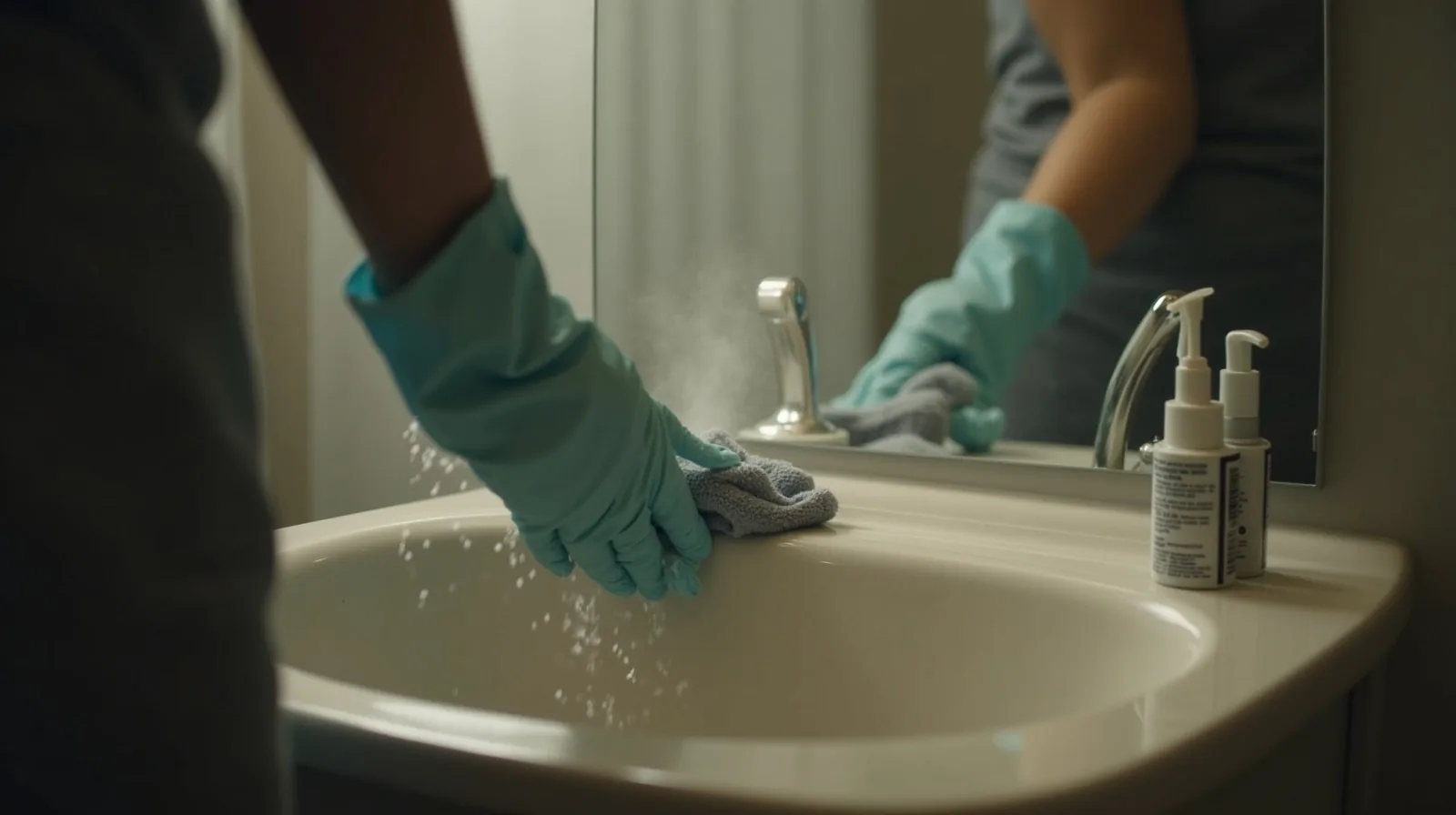
Think about the strange logic of a dishwasher: it’s the appliance that cleans everything else in your kitchen, and almost nobody ever cleans it. So over months, food debris, grease, and mineral deposits build up inside — and then the machine starts “failing”: glasses come out cloudy, there’s a musty smell when you open the door, dishes feel gritty, and you start pricing out a replacement. Most of the time the dishwasher isn’t broken at all. It’s just overdue for the maintenance no one told you it needed.
Start with the filter
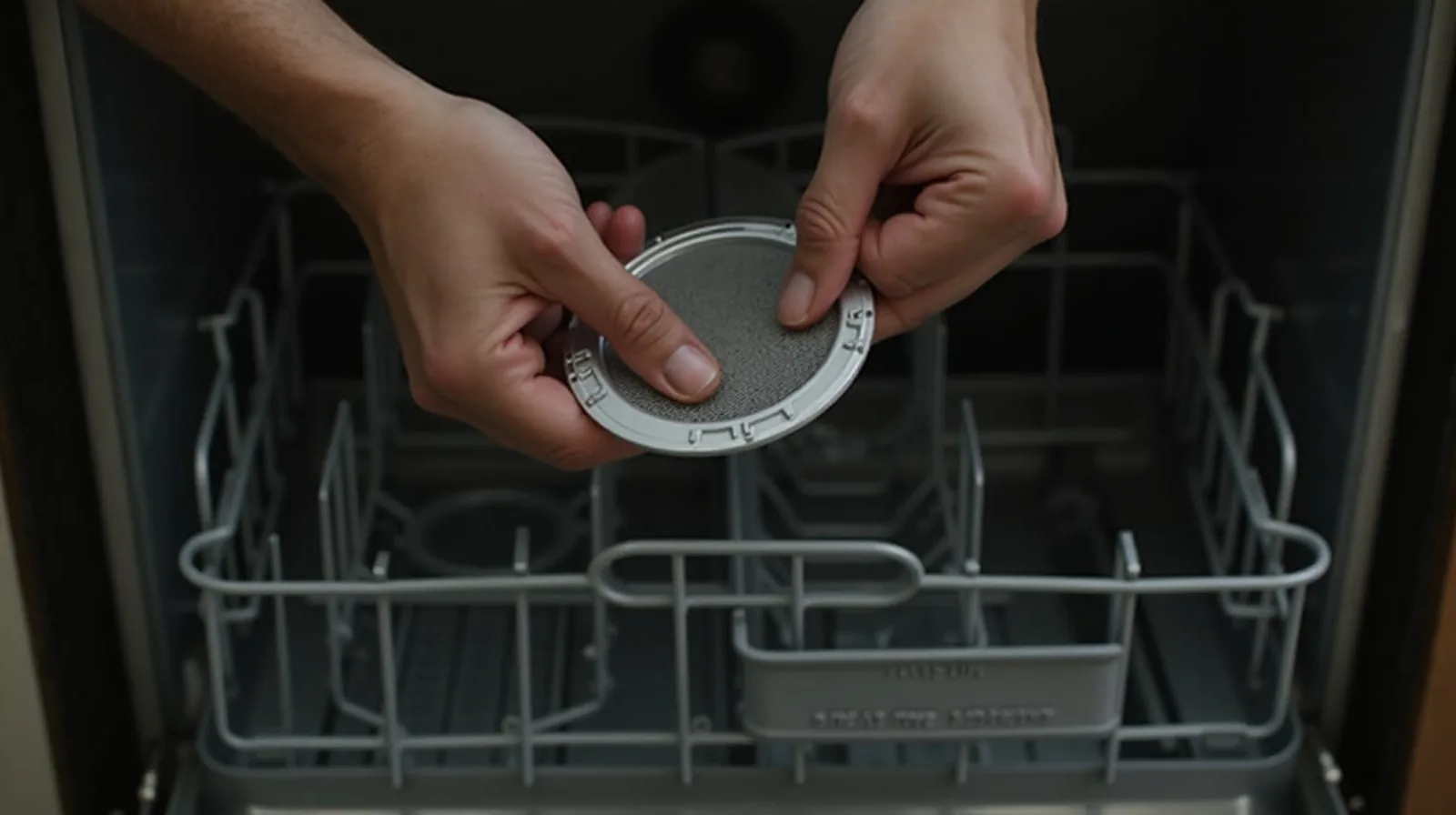
At the bottom of nearly every dishwasher is a removable filter, and it is the single most-ignored part of the machine. Its job is to catch food particles so they don’t recirculate onto your dishes — but when it clogs, that trapped gunk is exactly what causes odours, grittiness, and poor cleaning. Twist it out (most lift free with a quarter-turn), rinse it under the tap, scrub gently with a soft brush and a little dish soap, and drop it back in. Doing this every couple of weeks solves a surprising share of “my dishwasher stopped working” complaints on its own.
Clear the spray arms and wipe the seals
Two more quick checks:
- The spray arms — the spinning paddles — have small holes that fling water onto the dishes, and those holes clog with debris and mineral buildup. Give the arms a spin to confirm they turn freely, and poke out any blocked holes with a toothpick so the water can actually reach your dishes.
- The door seal and edges collect a hidden ring of grime, gunk, and sometimes mildew right where you never look. Wipe the rubber gasket and the bottom lip of the door with a damp cloth; this is often the true source of a smell.
Run a cleaning cycle
Once the physical bits are clear, clean the interior itself. Place a bowl of white vinegar on the top rack and run a hot cycle with the machine otherwise empty — the vinegar cuts grease and dissolves mineral scale, freshening the whole interior. For extra deodorising, sprinkle a little baking soda across the bottom and run a short hot rinse. Doing this once a month keeps the inside clean and the smell away. (Skip mixing the two at once; run them as separate steps.)
Habits that keep it healthy
- Scrape, don’t pre-rinse to spotless. Scrape off big food scraps, but leave a little residue — modern detergents actually need something to work on, and heavy pre-rinsing can leave dishes dirtier.
- Don’t overload, and don’t let dishes block the spray arms; water needs a clear path to everything.
- Use a rinse aid if you get cloudy glasses — it helps water sheet off and prevents spotting, especially in hard-water areas.
- Run it regularly. A dishwasher used often stays fresher than one that sits with damp residue between rare loads.
Before you decide your dishwasher is on its way out, give it the twenty minutes of care it’s been quietly asking for: clean the filter, clear the arms, wipe the seal, and run a vinegar cycle. Most machines come right back to life — and a little routine keeps them there for years.