Here’s a frustrating thing about tile: you can mop the surface until it gleams and the floor still looks grubby. The reason is almost never the tile — it’s the grout. Those narrow lines are slightly porous and sit lower than the tile, so they collect grime, soap scum, and mildew, slowly turning from bright to grey. Because the eye reads the whole surface at once, dingy grout drags the entire room down with it. The good news: bringing grout back is mostly patience and the right technique, not muscle or harsh chemicals.
Why grout goes grey (and why scrubbing harder isn’t the fix)
Grout is essentially a fine cement, and unsealed or worn grout drinks in whatever passes over it — mopping water pushes dirt into the lines, floors track in grime, and bathrooms add soap scum and mildew. The instinct is to attack it with the strongest thing under the sink and maximum force, but that’s how grout gets damaged: aggressive acids and abrasive scouring erode the surface, making it rougher and even quicker to re-soil. The goal is to lift the dirt out of the pores gently, then keep it from getting back in.
The method that works
Start mild and give it time to do the work:
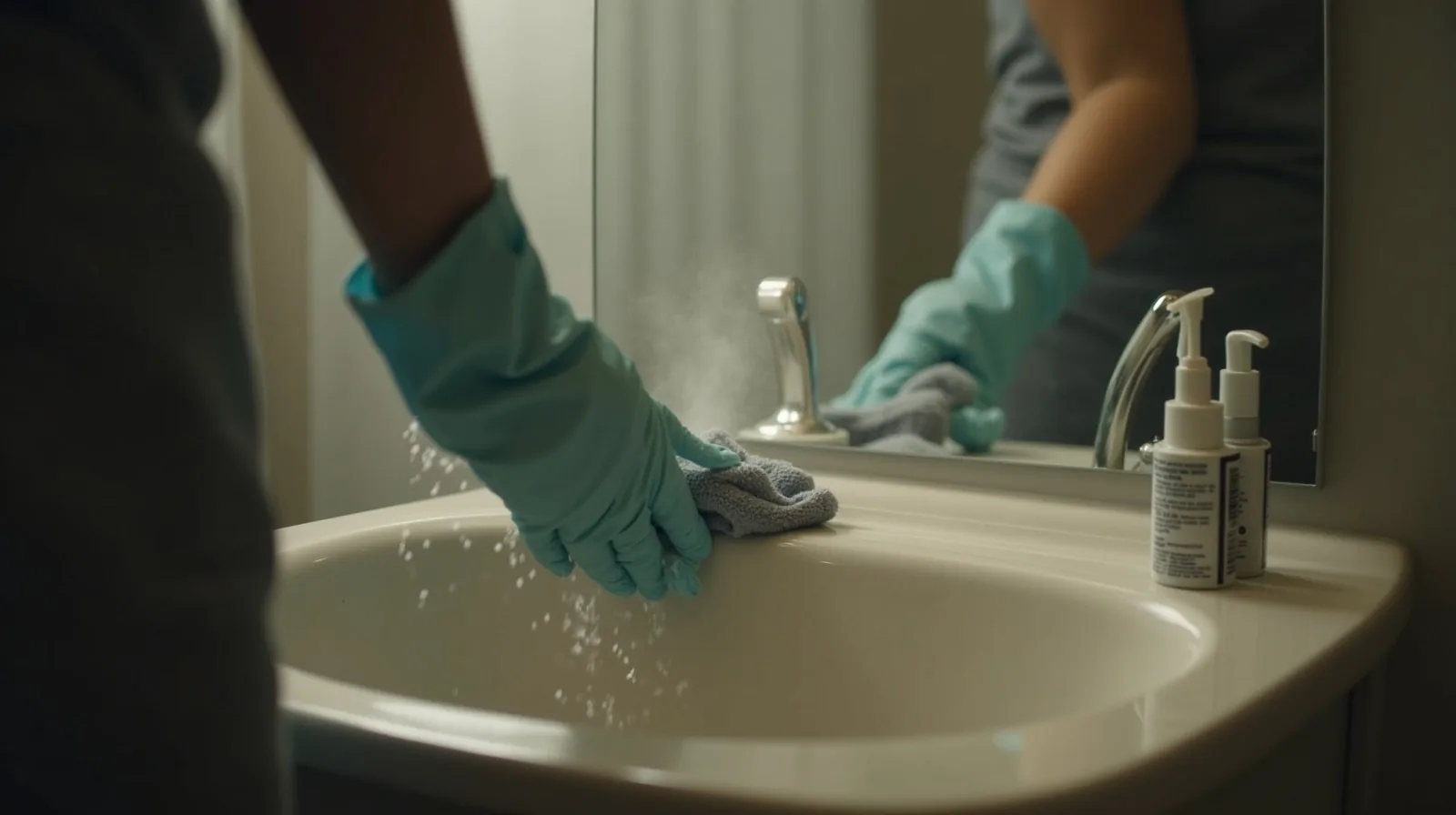
- Wet the lines and apply a gentle cleaner. A paste of baking soda and water works on most grout; for bathroom soap scum and mildew, a spray of diluted white vinegar or an oxygen-based (not chlorine) cleaner helps. Reach for the mildest option that works.
- Let it dwell. Give the cleaner several minutes to soften the grime before you touch it. Dwell time is what saves your arm — it does the loosening so you don’t have to.
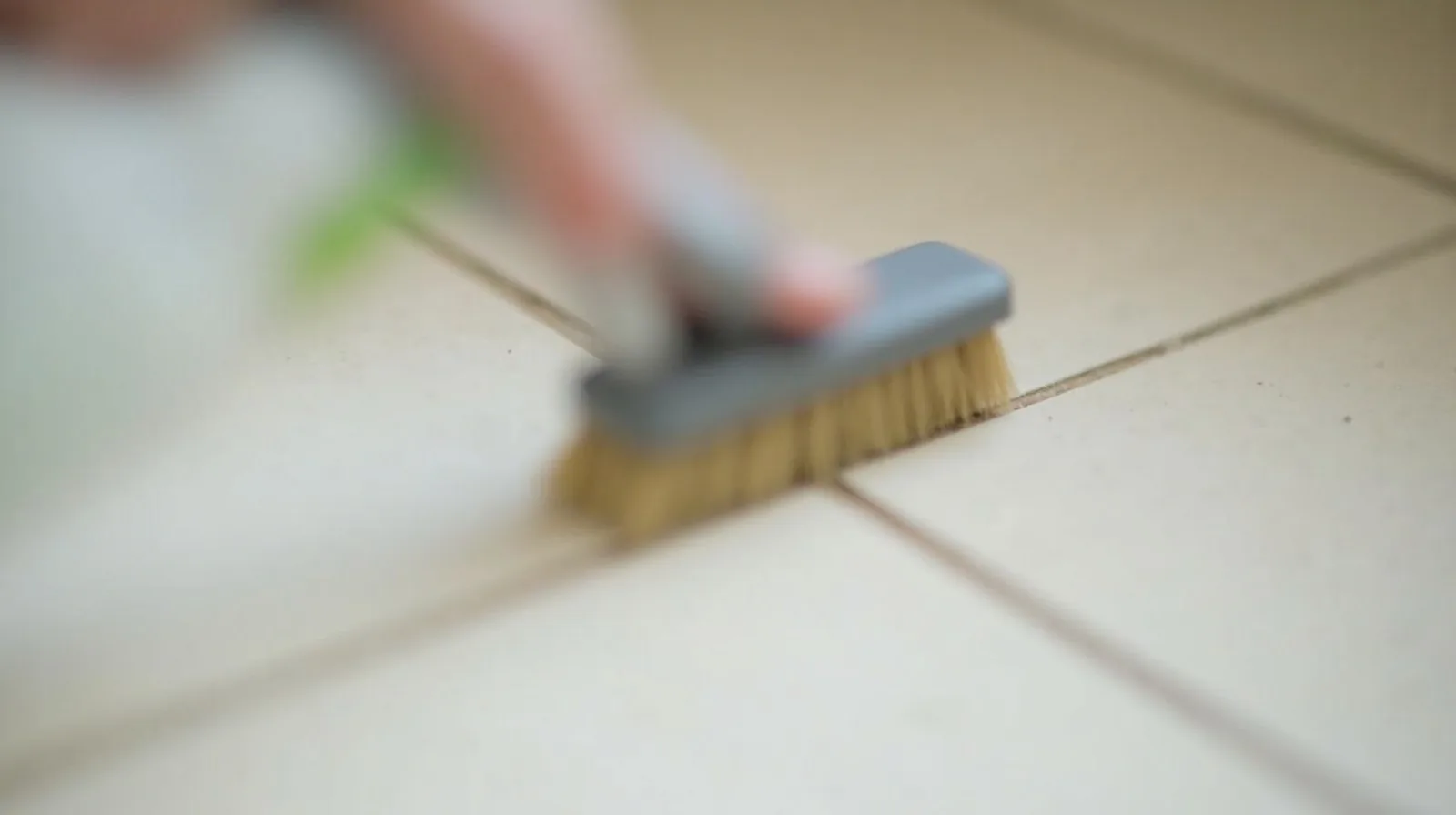
- Scrub with a stiff, narrow brush — an old toothbrush, a grout brush, or a stiff nylon brush — running along the lines, not across. Work one small section at a time so you can see progress and keep the cleaner from drying out.
- Rinse and wipe. Wipe away the loosened dirt with clean water so it doesn’t just resettle. You’ll see the line brighten immediately.
Avoid mixing cleaning products, and skip metal brushes and harsh acids, which scratch and erode. On coloured grout, test a hidden spot first.
For the stubborn, darkened lines
Some grout is stained rather than dirty — the discolouration has set in. Repeat the treatment with a longer dwell time before deciding it’s permanent. If a bathroom line is black and won’t budge, that’s usually mildew growing in the grout; an oxygen bleach solution left to sit will often clear it. And if grout is genuinely beyond cleaning — crumbling, missing, or permanently stained — the real fix is to scrape it out and re-grout, or use a grout renewal product that recolours and seals in one step.
Keep it from coming back
Restored grout re-soils fast unless you close the pores. The single best move is to seal it: once the grout is clean and fully dry, a grout sealer soaks in and makes the lines water- and stain-resistant, so grime sits on top to be wiped away instead of soaking in. Re-seal every year or two in wet areas. Between times, a quick habit keeps it bright — squeegee or wipe shower walls after use, don’t let dirty mop water pool in the lines, and give high-traffic grout a fast brush now and then rather than waiting for a full grey-out.
Clean grout is the small detail that makes a whole tiled surface look renewed — often more than cleaning the tile itself. Go gentle, give the cleaner time, brush along the lines, and seal when you’re done. It’s an afternoon of work that can make a tired bathroom or kitchen floor look years younger.