Anyone who lives with a shedding pet knows the vacuum is only half a solution. You run it over the couch, and hair still clings in the weave; you lint-roll a sweater and three rolls later it’s still fuzzy. That’s because pet hair doesn’t just sit on surfaces — it works into fabric and grips by static electricity. A vacuum’s suction can’t always overcome that grip. The trick isn’t more suction; it’s using the right tool for each surface, because what lifts hair off a couch is different from what frees it from a rug or a shirt.
Upholstery and the car
For couches, chairs, and car seats, the best tools create friction and static to pull hair up out of the fabric:
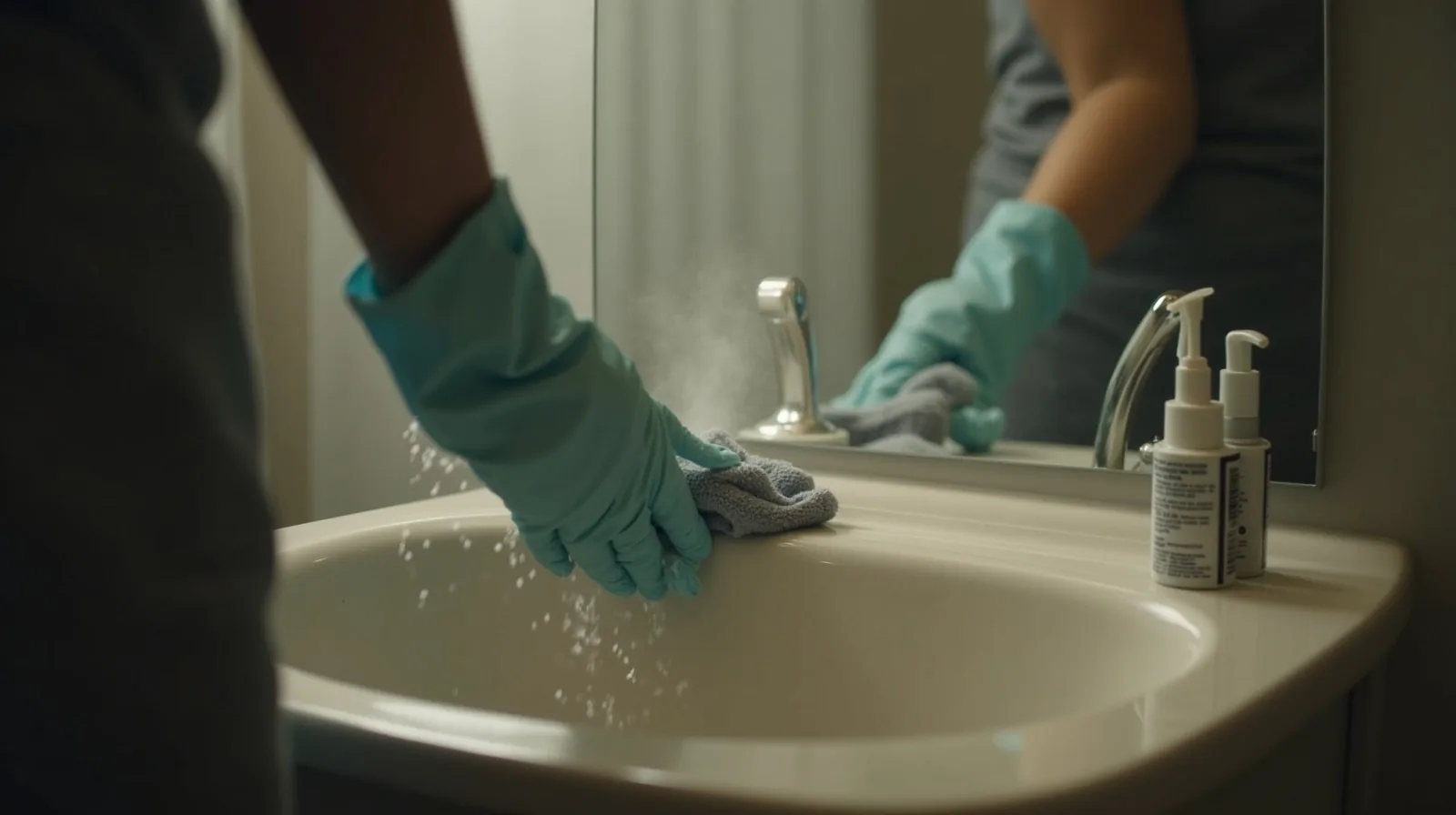
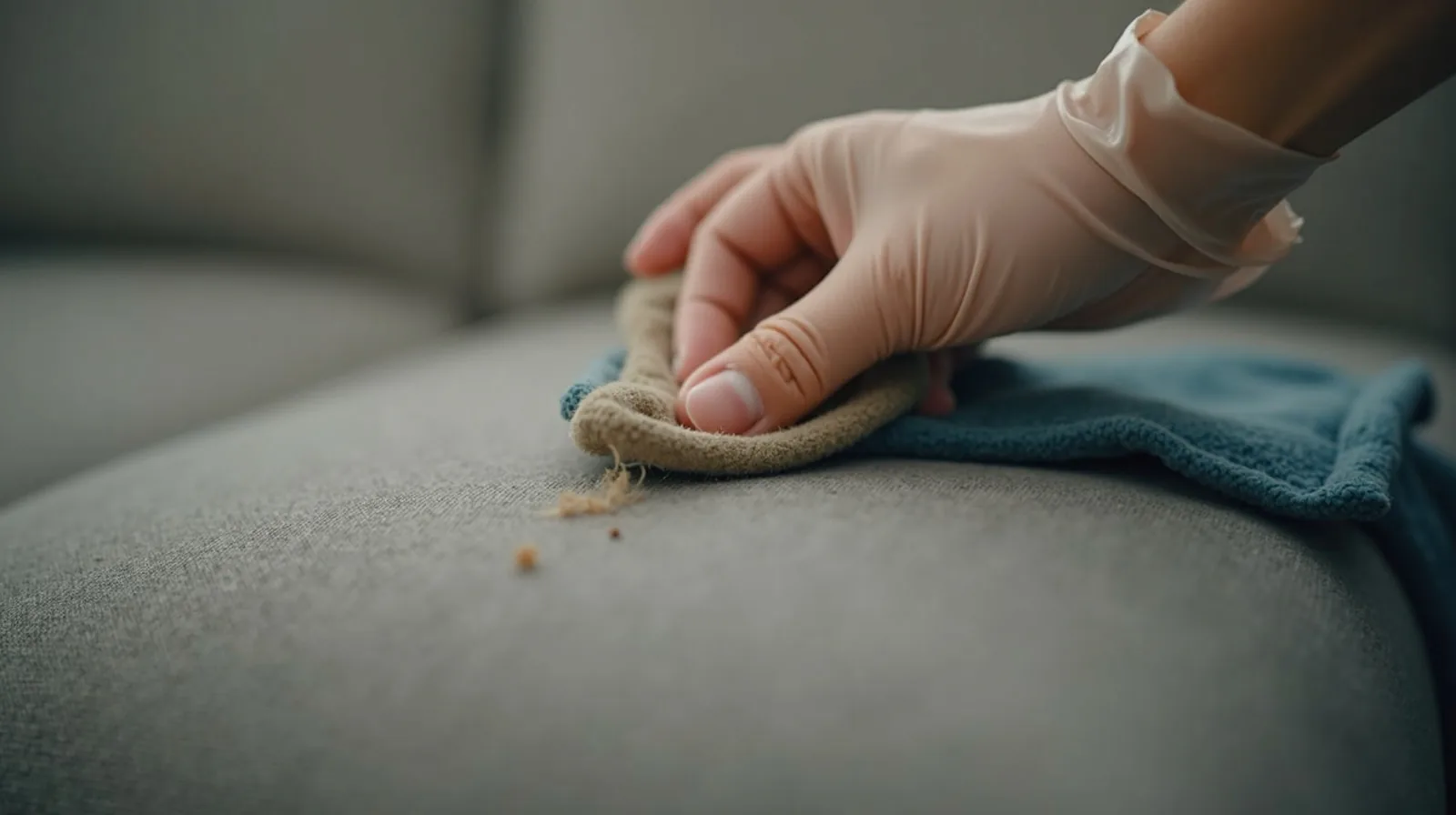
- A slightly damp rubber glove is the classic. Run your gloved hand across the fabric and the hair balls up into clumps you can lift away. Cheap, effective, oddly satisfying.
- A rubber squeegee dragged across upholstery does the same thing — the rubber’s grip rakes hair into rows.
- A slightly damp sponge or cloth works in a pinch; the moisture makes hair clump so it lifts instead of scattering.
Vacuum up the clumps afterward. A quick mist of water (or a tiny bit of fabric softener diluted in water) first can loosen static and make everything release more easily.
Carpets and rugs
Hair digs deep into carpet fibres, so a pass with the vacuum often leaves the embedded stuff behind. Before vacuuming:
- Use a rubber broom or a stiff-bristled brush to rake the carpet in one direction. It drags the embedded hair up to the surface where the vacuum can actually grab it — the single biggest upgrade for hairy carpets.
- A squeegee works on low-pile rugs and stairs, where a vacuum head is awkward.
- Then vacuum slowly, going over high-traffic and pet-favourite spots a couple of times.
Clothing and bedding
On clothes, a lint roller handles a light dusting, but for a heavier coat, reach for a slightly damp rubber glove or a dedicated pet-hair brush to gather it first. In the laundry, a game-changer: toss a dryer sheet or a few wool dryer balls in with the load, and run a 10-minute no-heat tumble before washing — the tumbling and reduced static shake loads of hair loose into the lint trap. Clean the lint trap between loads, since pet hair fills it fast.
Shed less in the first place
The easiest hair to clean is the hair that never lands. Brush your pet regularly — ideally outside — to capture loose fur at the source; a few minutes of grooming removes what would otherwise coat your whole home. Give pets a washable bed or blanket in their favourite spots so the hair concentrates somewhere you can just launder, and keep a rubber glove or squeegee handy for a 30-second daily swipe of the couch rather than a monthly excavation. Manage the source and every other job gets smaller.
Pet hair feels impossible only because the vacuum isn’t the right tool for most of it. Rubber and friction for upholstery, a rake-then-vacuum for carpet, a damp glove and a no-heat tumble for fabric — match the method to the surface and the fur that seemed permanent comes right up.