Open almost any pantry and you’ll find the same quiet chaos: two half-open bags of the same rice, a mystery can with a date you can’t read, three jars of a spice you forgot you had, and a gap where the thing you actually need should be. It happens because a pantry is a deep, stacked space where older items get buried behind newer ones — so you can’t see what you own, you buy duplicates, and food quietly expires at the back. Grocery stores solved this problem long ago with one simple rule, and it works just as well at home.
The rule: first in, first out
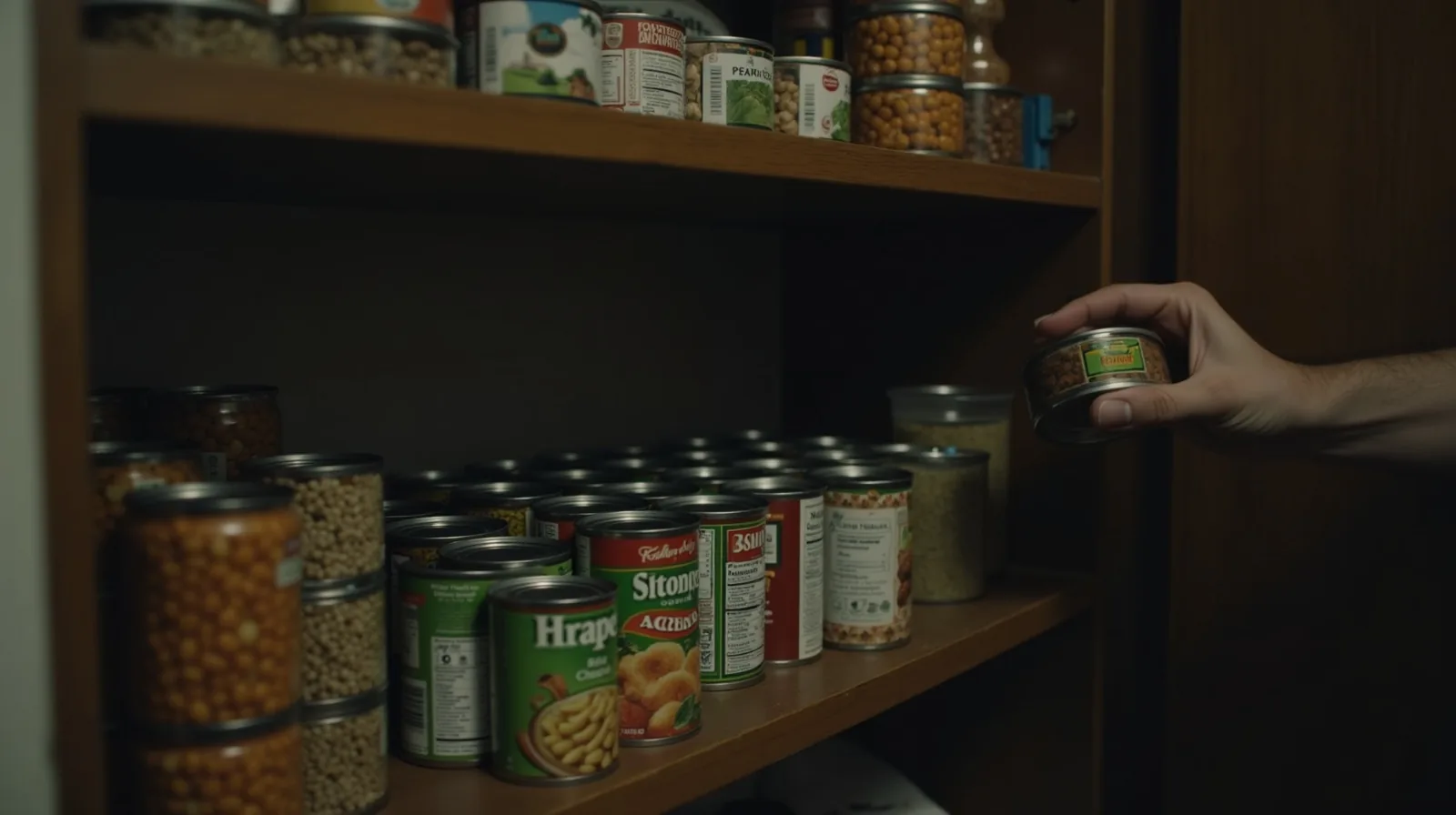
Stores rotate stock so the oldest items sell first — first in, first out, or FIFO. You do the same on your shelves: when you bring new groceries home, move the older cans and packets to the front, and put the new ones behind them. That way you always reach for the oldest item first, and nothing gets stranded at the back until it expires. It takes a few extra seconds while unpacking and saves a startling amount of waste. This one habit is the heart of the whole system.
Group so you can see what you have
FIFO only works if you can see your stock, so give the pantry a logical order:
- Group like with like — canned goods together, pasta and grains together, baking supplies together, snacks together. Now you can take in a whole category at a glance.
- Keep items front-facing in single rows where you can, rather than stacked two deep, so nothing hides behind something else.
- Use clear bins or containers for loose packets and small items, so a category stays corralled instead of scattering, and you can pull the whole bin out to see the back.
Decanting staples like flour, rice, and pasta into clear airtight jars is optional but powerful — you see exactly how much is left, and it keeps pests and staleness out.
Do a reset first
Before the system can run, clear the backlog. Pull everything out, check dates, and toss what’s genuinely expired (trusting your senses over the label for many dry goods). Consolidate the duplicates — combine the three open bags of pasta — and wipe the shelves. Group everything as you put it back, oldest to the front. This one-time reset is where you discover what you actually own, and usually a few meals’ worth of food you forgot you had.
Keep it running
- Rotate every time you shop — old to the front, new to the back. This is the non-negotiable habit.
- Shop your pantry first. Glance at what’s there before making a list, so you use what you have and stop buying duplicates.
- Keep a “use soon” spot at eye level for items nearing their date, so they actually get cooked.
A pantry doesn’t need fancy containers or a label maker to work — it needs to be visible and rotated. Group like with like, keep the oldest items in front, and shop what you have first. Mystery cans and expired surprises disappear, and you stop paying twice for food you already owned.