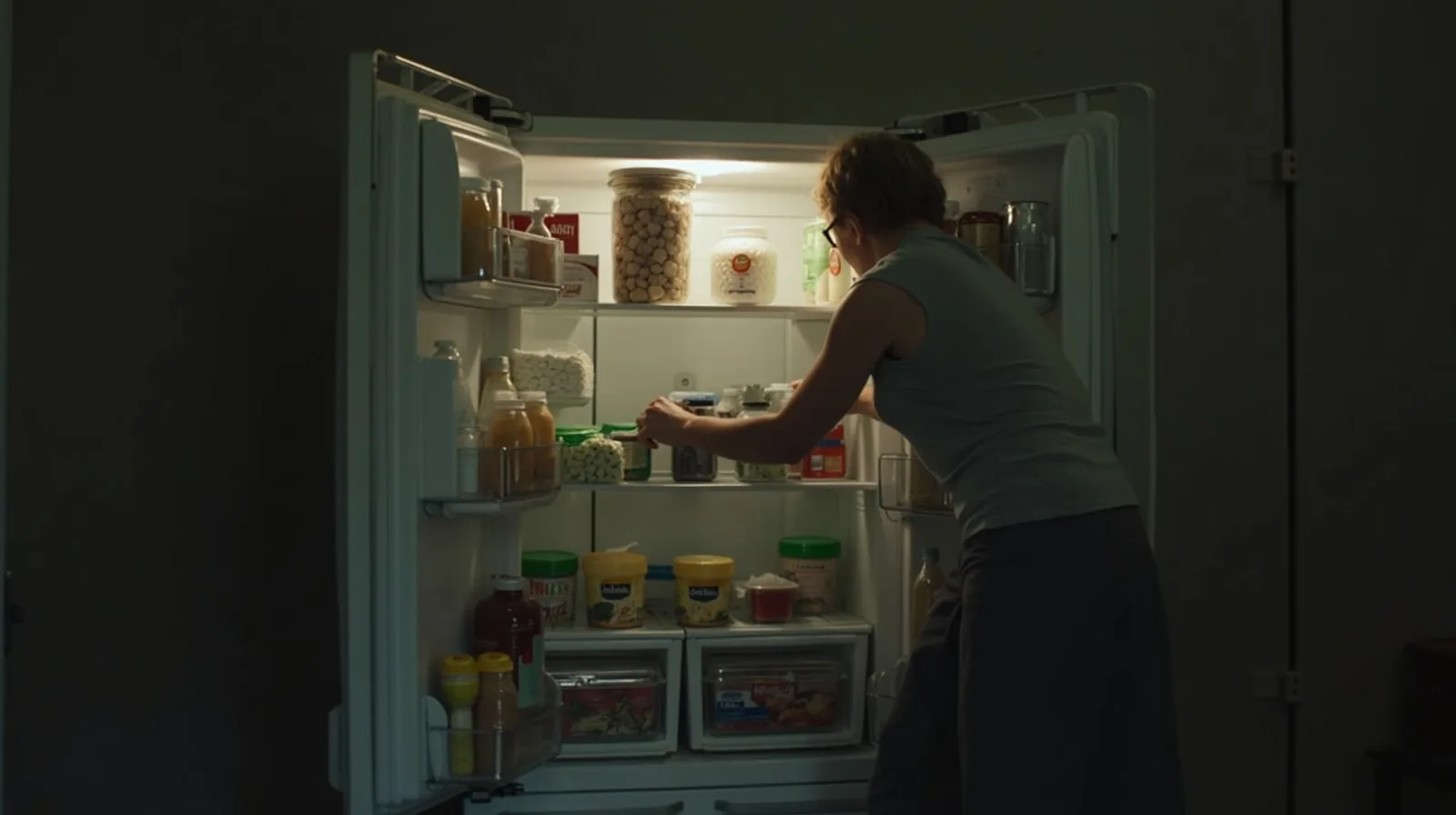
Open your fridge or pantry, spot a date that’s just passed, and into the bin it goes — often perfectly good food, tossed on the assumption that the date is a safety deadline. It usually isn’t. Confusion over date labels is one of the biggest drivers of household food waste, costing families real money and sending mountains of edible food to landfill. The labels are far less authoritative than they look, and learning what they actually mean lets you keep eating food that’s completely fine while still throwing out the few things you genuinely should.
What the dates actually mean
Most food dates are about quality, not safety — the manufacturer’s estimate of when the product is at its peak, not the moment it becomes dangerous. The wording matters:
- “Best by” / “best before” — a quality date. The food may be at its best until then, but it’s typically fine to eat well after, just perhaps a little less perfect.
- “Sell by” — a message to the store about stock rotation, not a deadline for you. Food is usually good for a while past it.
- “Use by” — the one closest to a real safety date, used mainly on highly perishable items. This is the label to respect most.
In many places these dates aren’t even tightly regulated, which is why the same product can carry different-looking dates. Treat most of them as suggestions, not orders.
Trust your senses (for most things)
For the majority of foods, you have better sensors than the printer: your eyes and nose. Look for the real signs of spoilage — off or sour smell, visible mould, slimy texture, or a taste that’s clearly wrong. A carton of eggs, a tub of yogurt, or a block of cheese a little past its date is very often perfectly good; give it a look and a sniff. Many dry and shelf-stable goods (pasta, rice, canned food, spices) last long past their printed dates — they may lose some flavour or quality, but they don’t become unsafe on a schedule.
The times to take the date seriously
A few categories deserve real caution, because dangerous bacteria don’t always announce themselves by smell:
- “Use by” dates on perishable proteins — fresh meat, poultry, seafood — and certain ready-to-eat and deli items. Here, respect the date and don’t gamble.
- Anything showing actual spoilage — regardless of the date, if it smells, looks, or feels off, bin it. When genuinely in doubt about a high-risk food, throw it out.
- Cans that are bulging, leaking, or badly dented, which can signal a real hazard.
Waste less, spend less
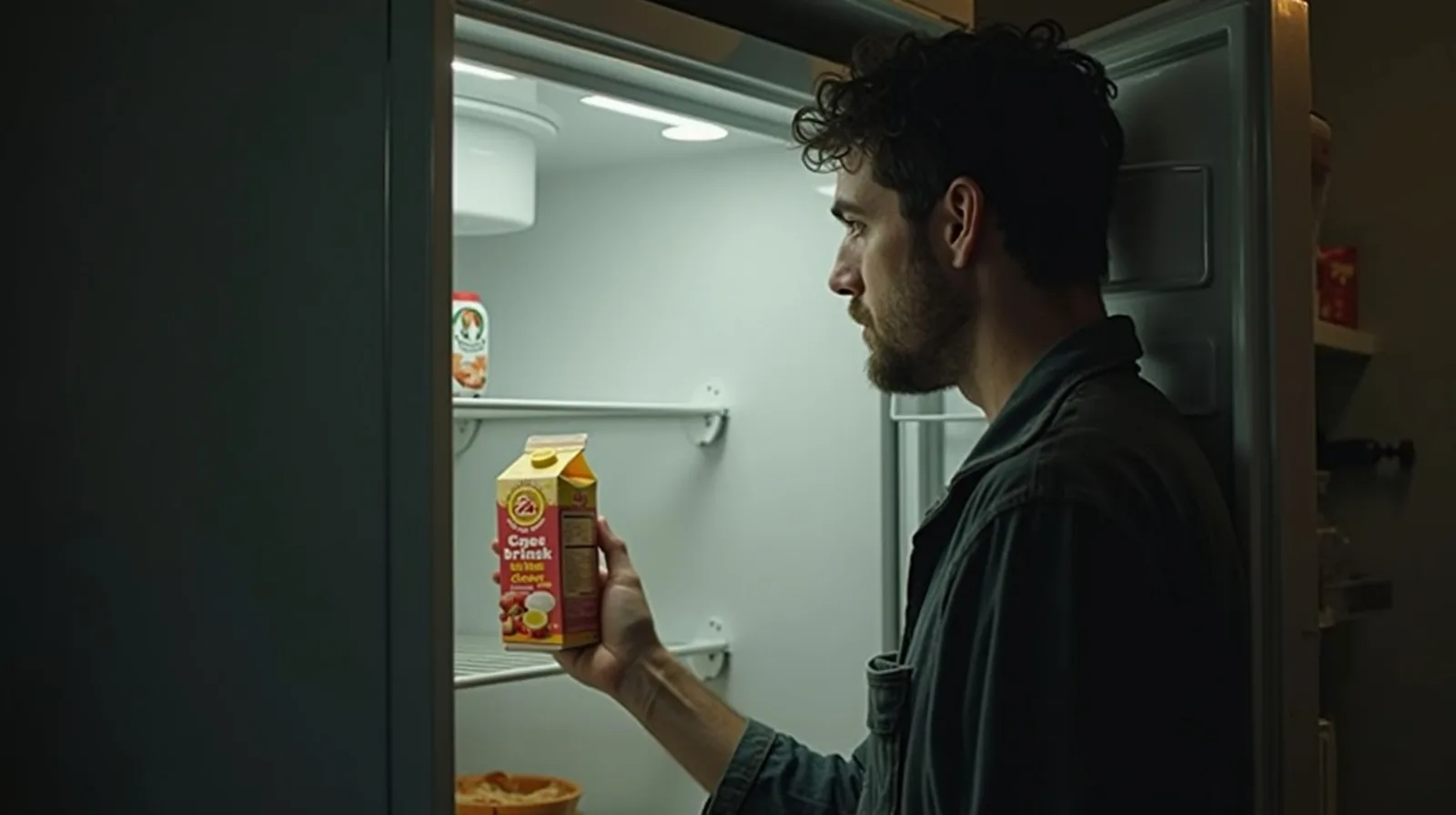
Put it together and you can stop discarding good food: read the wording, judge everyday items by sight and smell rather than the printed date, respect “use by” on perishable proteins, and store food well so it lasts to begin with. Buying only what you’ll use and keeping older items front-of-shelf means less reaches a questionable date at all. It adds up to real savings — and a lot less perfectly good food in the bin.