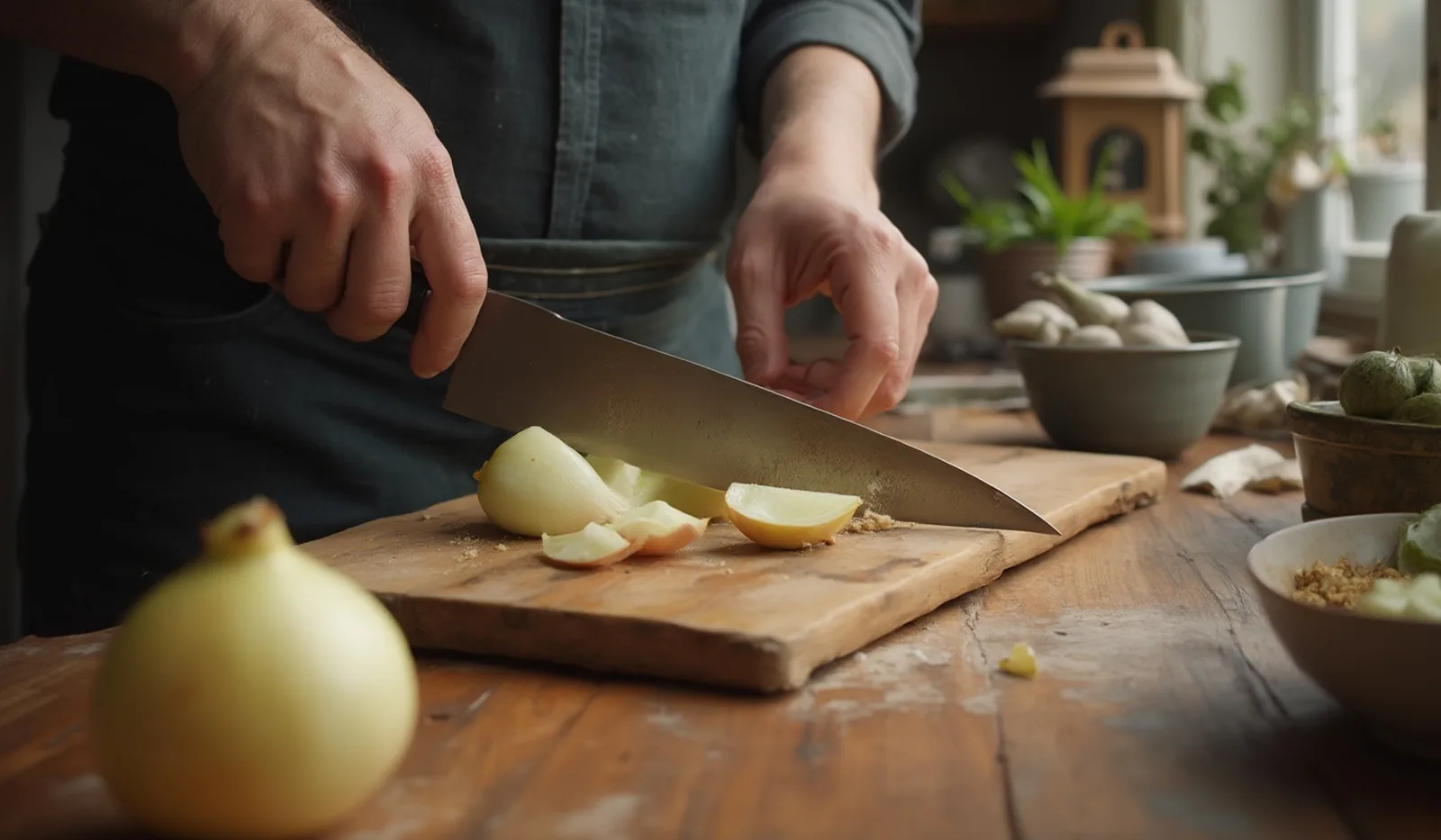
A roast chicken is usually treated as a single dinner with maybe one lucky round of leftovers. Treated as a plan instead of an afterthought, the same bird can deliberately cover three separate dinners — the roast itself, a second meal built from the pulled meat, and a soup made from the carcass — for a fraction of the cost and effort of cooking three times from scratch. The whole strategy hinges on one decision made before anyone sits down to eat: carving with three meals in mind rather than one.
Night one: the roast, carved with a plan
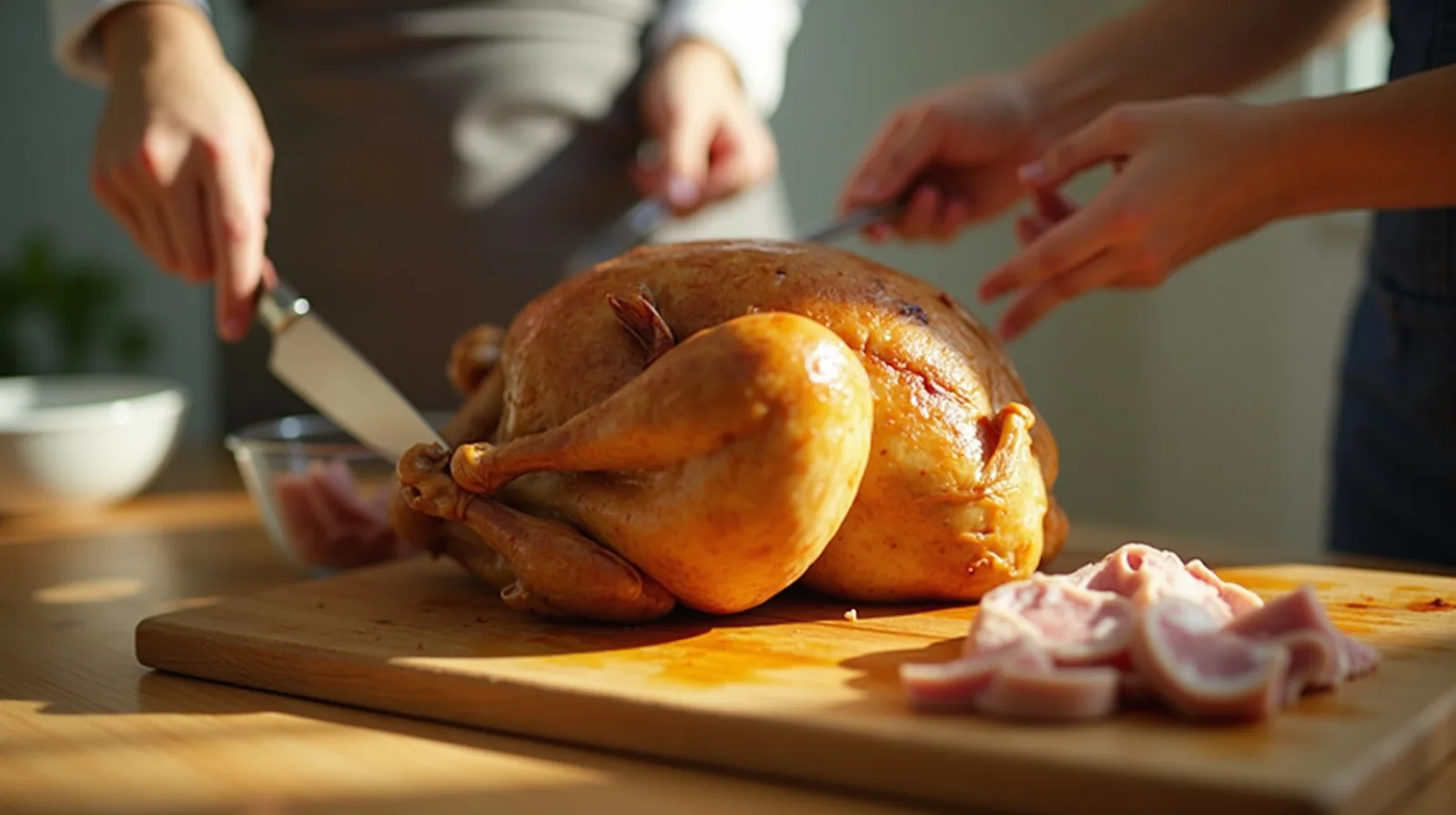
The first night is the roast chicken dinner most people already make, but carving it with the next two meals in mind changes how much you actually get out of it.
- Carve more than you’ll eat that night. Take the full bird apart — breasts, thighs, wings — rather than only slicing what’s needed for the meal in front of you.
- Set aside a portion immediately into a separate container before the table digs in, so there’s a guaranteed amount left for night two.
- Keep the carcass, skin, and bones separately — they’re the entire foundation of night three and shouldn’t go in the trash.
- Save any pan drippings, too — a spoonful stirred into the night-three soup adds a depth of flavor that plain water and bones alone can’t match.
Night two: the pulled or sliced meat, remade
The set-aside meat becomes a genuinely different meal, not a repeat of the roast dinner.
- Shred or slice it and fold it into tacos, a grain bowl, a sandwich, or a quick stir-fry — the format changes the meal more than the protein does.
- Lean on sauce and fresh ingredients to make it feel new: a bright slaw, a new spice blend, or a sauce the first night didn’t use.
- This meal should take under 20 minutes, since the protein is already fully cooked — it’s assembly, not cooking, which is most of the point of stretching the bird.
Carving to stretch, not just to serve
The habit that makes this whole plan work is carving generously on night one instead of carving just enough. A little more effort at the cutting board up front is what turns one dinner into three.
- Pull meat off the bone completely, including the smaller pieces near the joints that are easy to leave behind but add up.
- Portion as you go, splitting the meat into “tonight” and “set aside” piles right at the cutting board rather than guessing later.
- Refrigerate the set-aside portion within two hours of cooking, in a sealed container, and plan to use it within three to four days.
Night three: soup from the carcass
The carcass, which most dinners throw away, is the base for a full pot of soup or stock, essentially a free meal from what’s left.
- Simmer the bones and skin with water, aromatics, and any vegetable scraps for a few hours to pull out the remaining flavor and gelatin.
- Strain, then build the soup with fresh vegetables, grains or noodles, and any last scraps of meat still clinging to the bones.
- Use or freeze the stock within four days if not making soup immediately — it freezes well for months if the timeline doesn’t line up.
- Freeze the stock in smaller portions rather than one large container, so a future recipe that just needs a cup doesn’t require thawing the whole batch.
Even if soup isn’t on the menu that week, the stock itself is worth keeping — it’s a base for rice, a braise, or a quick pan sauce later, so the carcass keeps paying off well past night three.
The math is straightforward: one chicken, one shopping trip, and roughly the same total cooking time as making three separate proteins — but a fraction of the cost, since the second and third meals lean on pantry staples and vegetables rather than new protein. It also means three dinners’ worth of decisions get made in the same few minutes it takes to plan one, which is where most of the real time savings comes from.