Leather has a reputation for being high-maintenance, but most of what actually damages it comes down to one thing: it dries out. Leather is skin, essentially, and like skin it has natural oils that keep it flexible; once those oils are stripped away by sun, heat, or time, it stiffens, cracks, and loses the supple look that made it worth having in the first place. A simple, occasional routine prevents almost all of that.
The Universal Routine
Regardless of what the leather item is, the same basic sequence applies, just at different frequencies:
- Dust and wipe first. A soft, dry cloth removes surface dust and grit before anything wet touches the leather — skipping this step means rubbing dirt into the surface during cleaning.
- Clean gently. A cloth barely dampened with water, or a cleaner made specifically for leather, lifts dirt and light staining. Leather should never be soaked — too much water strips natural oils and can cause discoloration or warping.
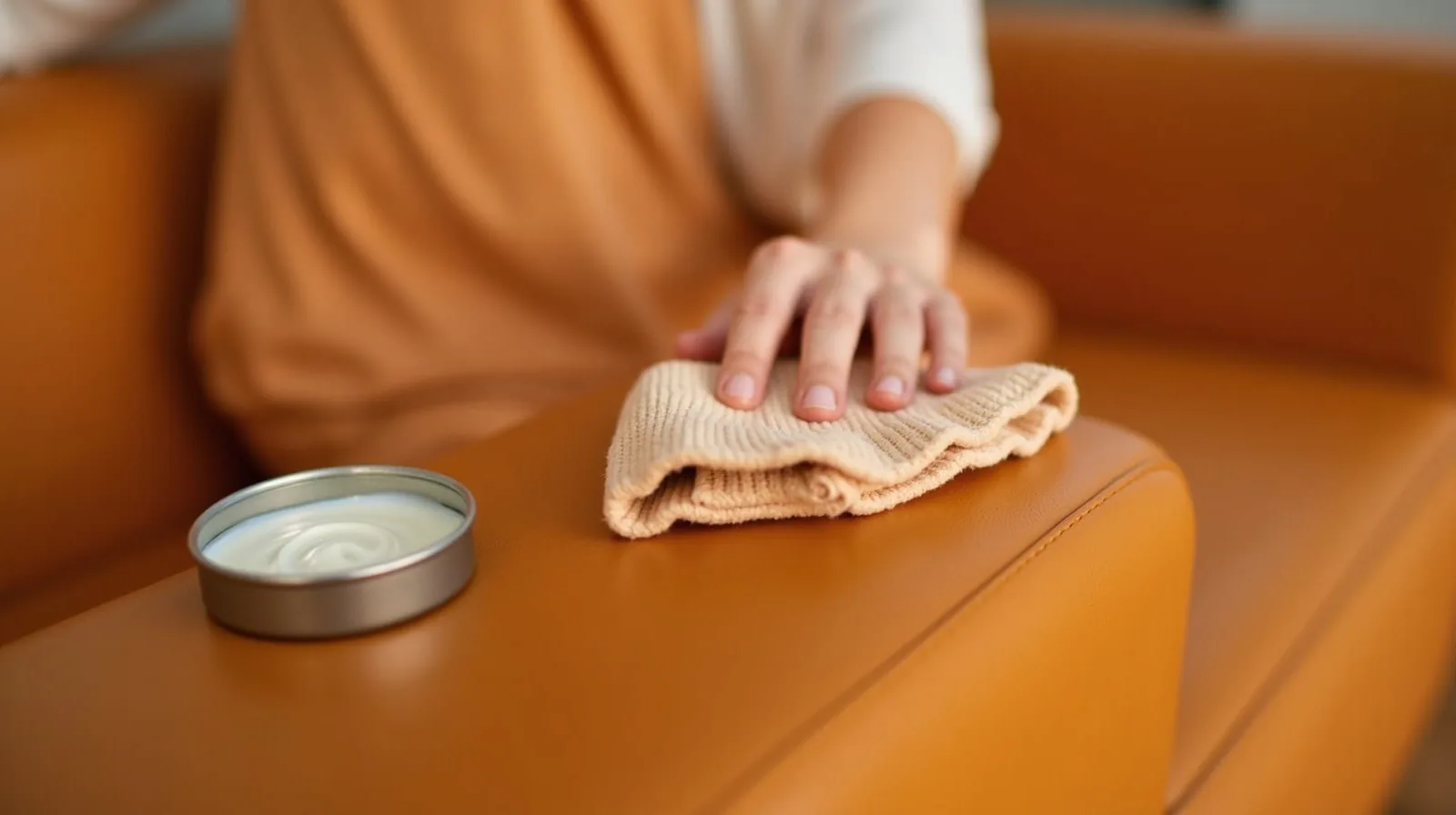
- Condition regularly. A leather conditioner replaces the oils that daily use and normal air exposure gradually remove, keeping the material flexible instead of letting it stiffen and eventually crack.
- Protect from the elements. A leather protectant adds a light barrier against moisture and sun exposure, both major causes of long-term fading and drying.
How This Changes by Item
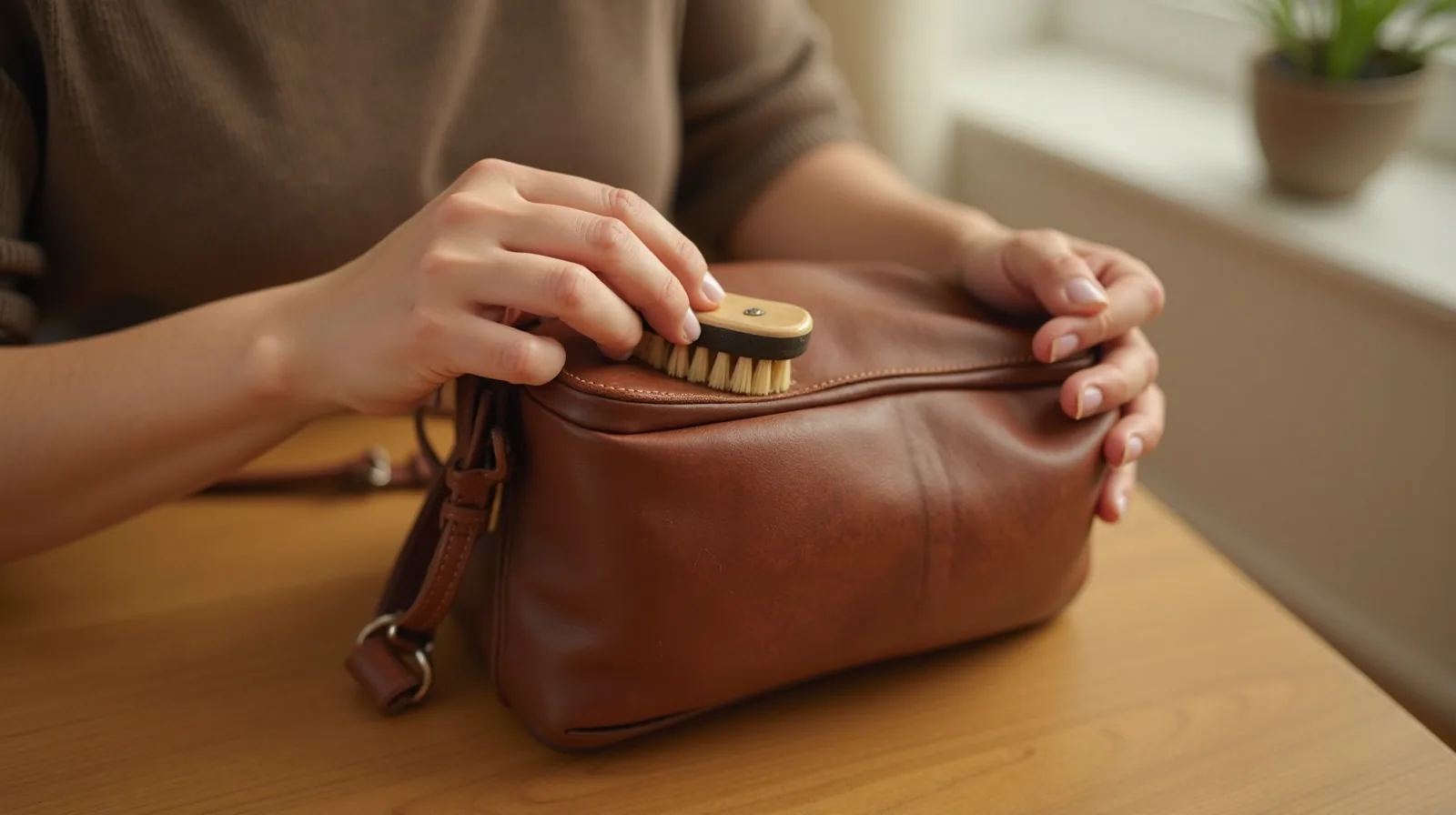
The same routine applies differently depending on how hard the item works. A leather sofa gets light dusting weekly as part of general cleaning, a gentle wipe-down monthly, and conditioning every few months — more often on arms and headrests, which take the most contact and oil transfer from skin. Leather shoes benefit from a soft brush after every wear to knock off dust and dirt before it grinds in, a proper clean when visibly dirty, and conditioning roughly every month or two depending on how often they’re worn — more in dry climates or during winter, when road salt and cold air are especially drying. Bags fall in between: a wipe-down as needed, and conditioning every couple of months, with extra attention to handles and corners, which see the most friction and wear.
What to Avoid
A handful of common habits do more damage than ordinary daily use. Harsh household cleaners, alcohol-based wipes, and anything not made for leather can strip its finish or cause discoloration. Direct heat — a hair dryer aimed at a wet spot, or leather furniture placed right next to a radiator or in direct blasting sun through a window — dries it out unevenly and accelerates cracking. Oversaturating leather with water, whether from over-enthusiastic cleaning or leaving it out in rain, is one of the most common causes of long-term damage, since leather that gets fully wet and then dries too quickly tends to stiffen and warp. Direct, prolonged sun exposure fades color and dries the material faster than almost anything else, so leather furniture near a sun-drenched window benefits from an occasional rotation or a curtain during peak hours. It’s also worth testing any new cleaner or conditioner on a small hidden patch first — the underside of a cushion, the inside of a bag flap — since finishes vary enough between items that what’s safe on one piece of leather can discolor another.
Handling Spills and Getting Caught in Water
For a fresh spill on leather, blot immediately with a dry cloth — never rub, which can spread the liquid and push it deeper into the material. Let it air-dry naturally away from direct heat, and follow up with a light conditioning once it’s fully dry, since even a small spill can pull some oil out of the surface it touched. A leather item that gets thoroughly soaked, like a bag or shoes caught in unexpected rain, should be stuffed loosely with something absorbent like paper to help it hold its shape while it air-dries slowly, followed by a full conditioning pass once dry. Skip the instinct to speed-dry with direct heat in either case — slow and unaided is what actually protects the material.
A well-maintained leather item also tends to age in a way that adds character rather than just wear — a light patina on a bag’s corners or a sofa arm that’s softened slightly with use looks intentional, while cracking and dryness just look neglected. The difference between the two outcomes usually comes down to whether conditioning happened on any kind of schedule at all.