Bread is one of the most satisfying things to have fresh and one of the most disappointing to find stale — and it turns from one to the other alarmingly fast. Part of the problem is that a lot of common bread-storage advice is wrong, and one especially popular move actively makes bread worse. A little know-how keeps a loaf good for as long as possible, and a couple of tricks rescue it when it’s gone dry anyway, so it never has to hit the bin.
Why bread goes stale (and the fridge trap)
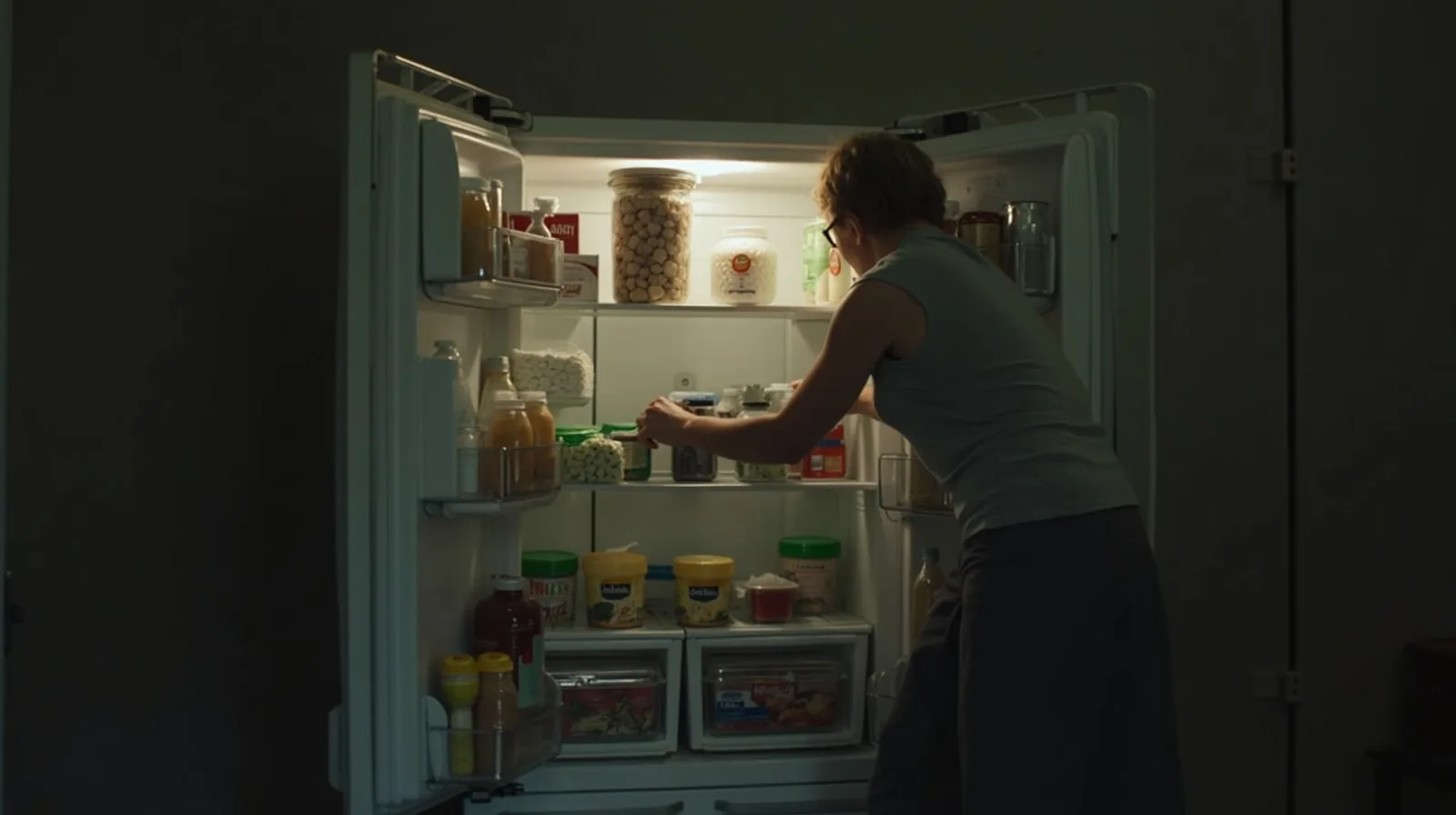
Staling isn’t mainly about drying out — it’s a process called retrogradation, where the starches in the bread recrystallise and go firm. Here’s the counterintuitive part: that process happens fastest at cold-but-not-frozen fridge temperatures. So storing bread in the refrigerator, which feels sensible, actually stales it quicker than leaving it on the counter. The fridge is the one place bread should almost never go.
Where bread should live
Match the storage to how fast you’ll eat it:
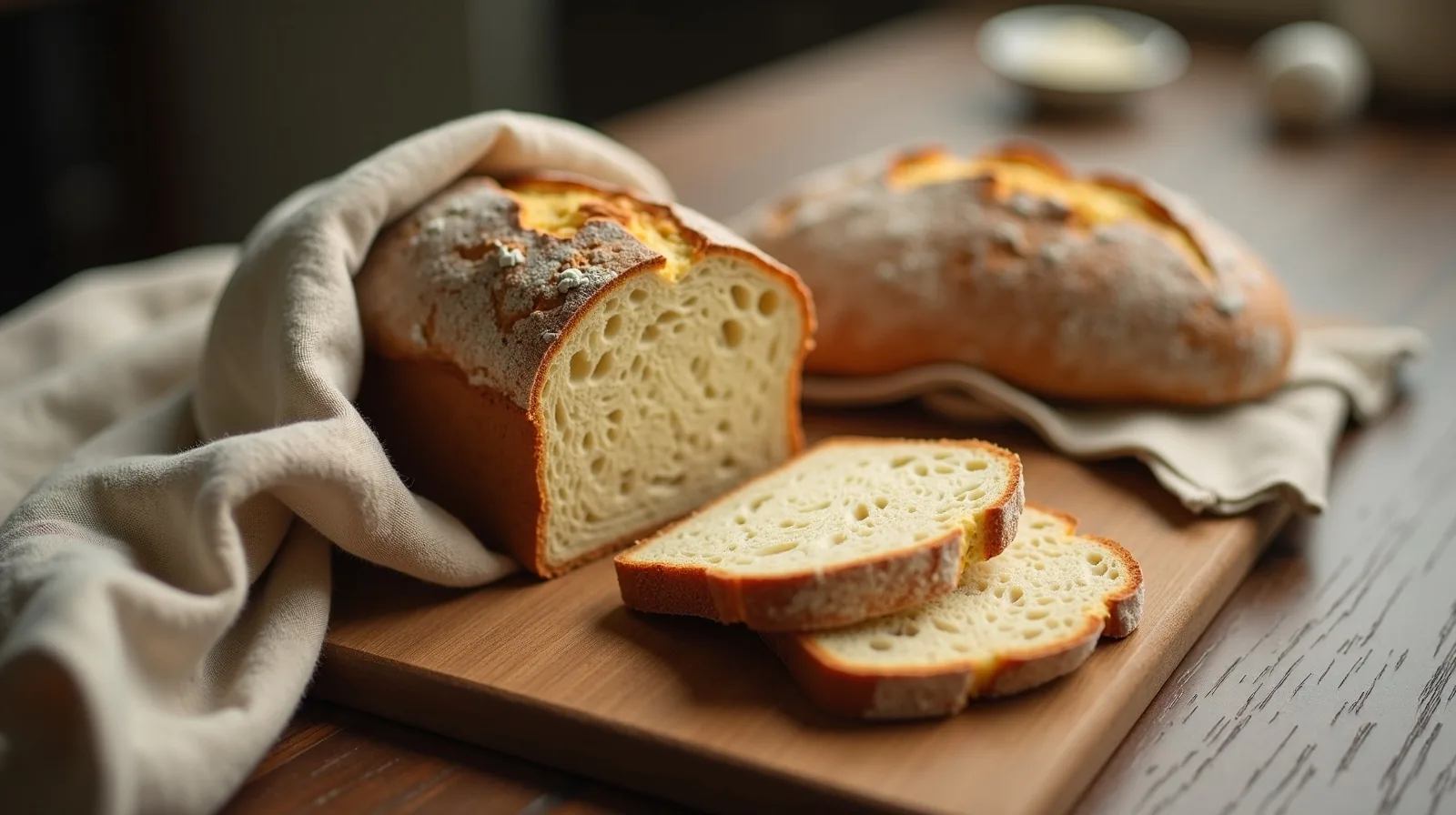
- Eating it within a few days? Keep it at room temperature in a bread box, a paper bag, or a cloth bag — something that lets it breathe a little. A crusty artisan loaf keeps its crust best cut-side-down on a board or in paper; sealing it airtight softens the crust and can trap moisture that invites mould.
- Soft sandwich bread does fine in its original plastic bag at room temperature for its usual few days.
- Won’t finish it in time? Freeze it. The freezer stops staling in its tracks. Slice the loaf first, then freeze it in a sealed bag, so you can pull out exactly as many slices as you need.
Buying more bread than you’ll eat in a few days? Freeze half the moment you get home, before it starts to turn.
Freezing and thawing, done right
Frozen bread thaws beautifully if you handle it simply. For slices, you can toast them straight from the freezer — no thawing needed. For a whole loaf, let it come to room temperature still wrapped so the moisture redistributes evenly. A short warm-up in the oven refreshes a thawed loaf’s crust. Frozen properly, bread keeps for a couple of months without losing much at all.
Rescuing a stale loaf
Here’s the trick most people don’t know: because staling is partly reversible with heat and moisture, you can often revive a stale-but-not-mouldy loaf rather than tossing it. Lightly dampen the crust with a little water (or wrap it in a damp cloth briefly), then warm the whole loaf in a moderate oven for several minutes. The heat re-softens the crumb and re-crisps the crust, and it comes out remarkably close to fresh — best eaten soon after, since it’ll re-stale faster the second time. And bread that’s truly past reviving still has jobs to do: turn it into toast, croutons, breadcrumbs, or the base of a bread pudding. (Mouldy bread, though, goes in the bin — don’t just cut around it.)
Keep bread out of the fridge, store it by how soon you’ll eat it, and freeze what you can’t finish — and when a loaf does go dry, a splash of water and a few minutes in the oven brings it back. You’ll waste far less bread and eat far more of it fresh.