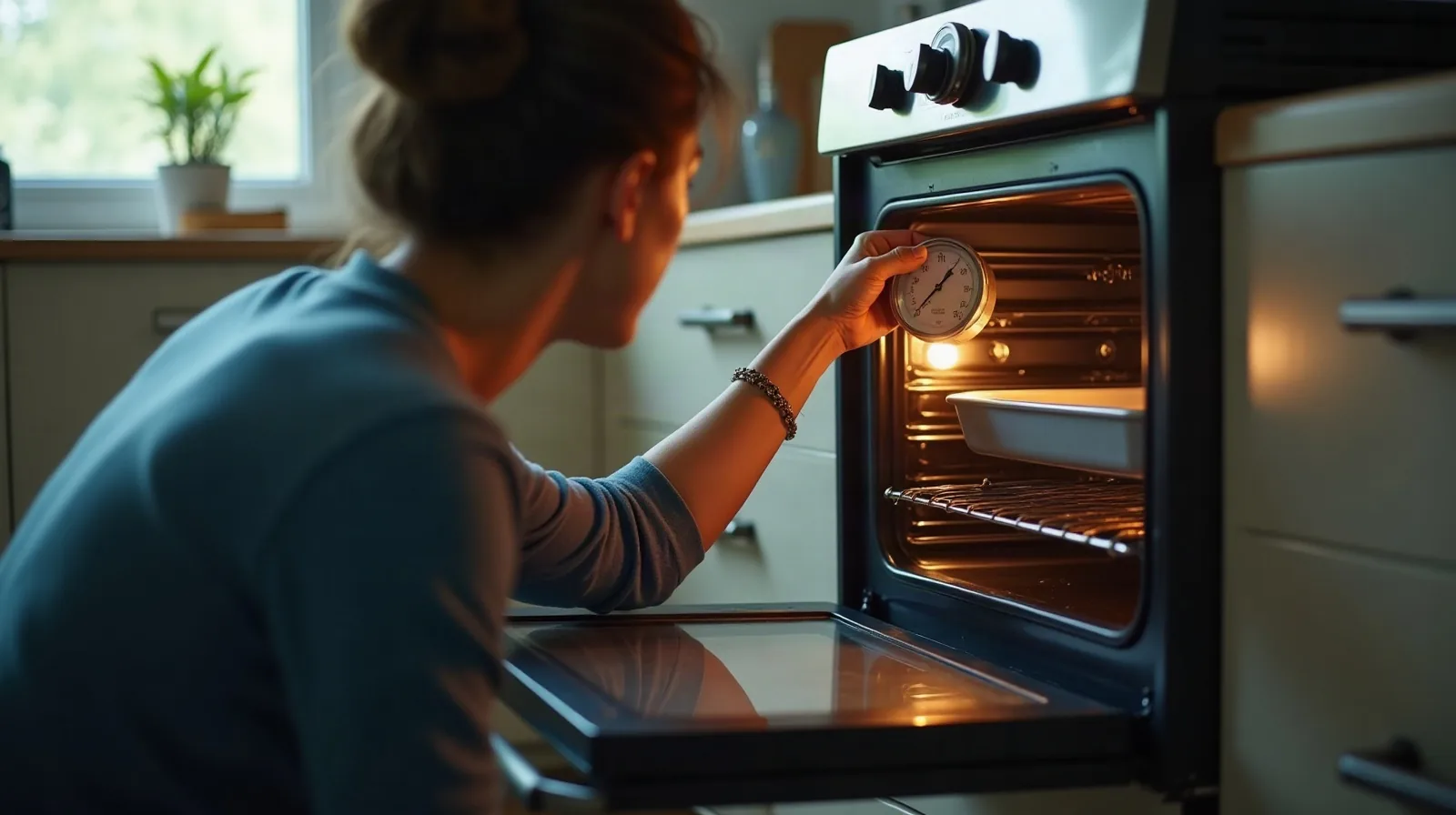
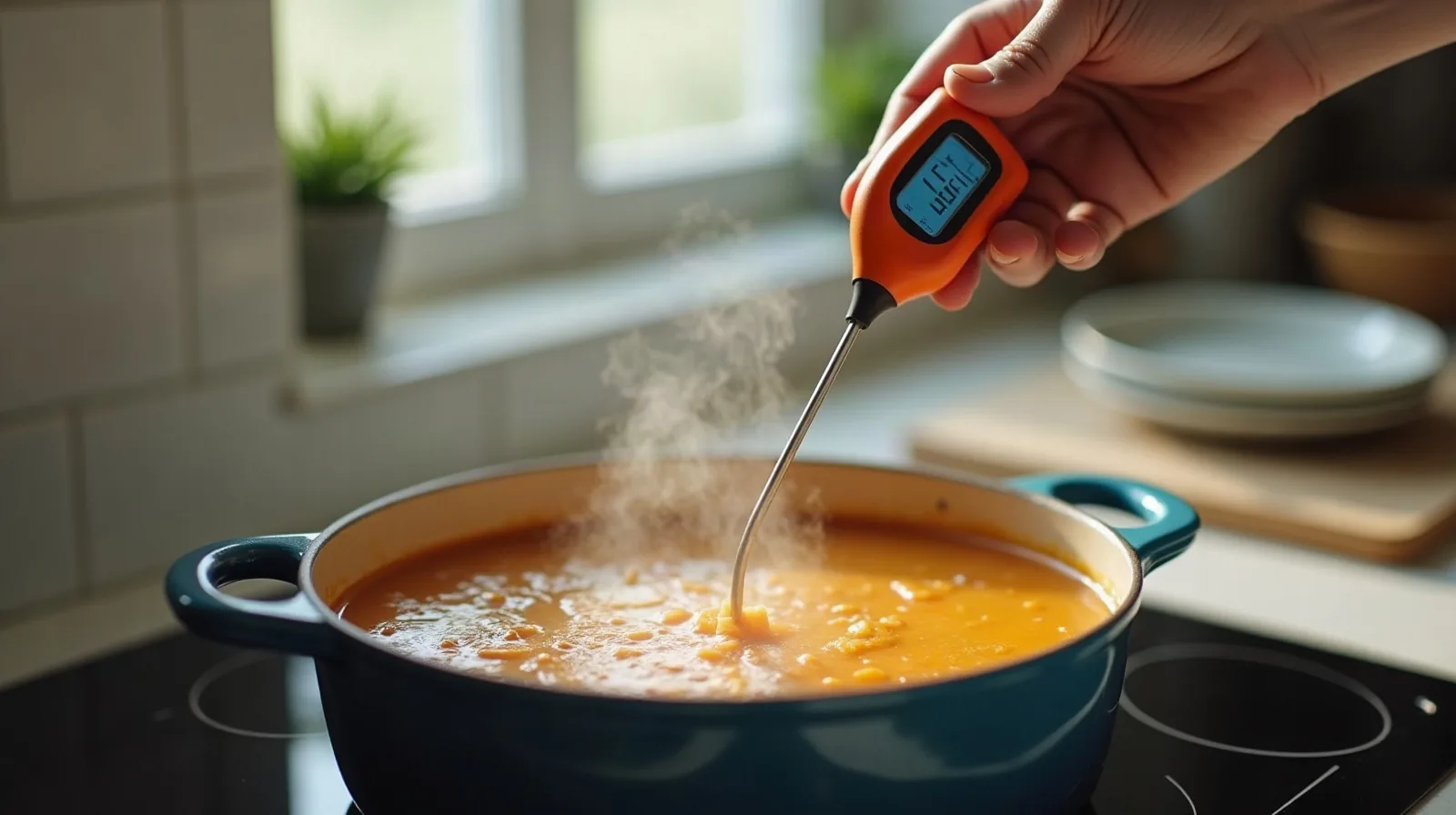
Cooked food doesn’t go bad the instant a clock hits some magic number — but between roughly 40°F and 140°F, the bacteria that cause food poisoning multiply faster than at almost any other temperature food sits at. That stretch has a name in food-safety circles: the danger zone. Understanding it isn’t about memorizing a chart before every dinner. It’s about knowing the handful of numbers and habits that keep leftovers, potluck spreads, and reheated dinners safe without overthinking every single meal.
What the Danger Zone Actually Means
The danger zone runs from about 40°F to 140°F — roughly refrigerator-cold on one end and keep-it-hot warm on the other. Below 40°F, bacterial growth slows way down. Above 140°F, most of what could make you sick starts to die off. Everything in between is prime territory: warm enough to be comfortable, cool enough to be far from sterile. Under the right conditions, the bacteria behind common food poisoning can double in number in as little as twenty minutes in that range, which is exactly why a dish that looks, smells, and tastes completely normal can still not be safe to eat.
The Two-Hour Rule (and When It Shrinks to One)
The standard guideline is two hours: that’s how long perishable food can safely sit inside the danger zone, total, before it needs to go in the fridge or come off the heat. If the room is especially warm — above roughly 90°F, like a car trunk in summer or an un-air-conditioned kitchen — that window shrinks to one hour, since bacteria grow even faster at higher temperatures. That two hours isn’t reset by moving the food around, either. It’s a running total, counted across every stretch the food spent unrefrigerated: the ride home from the store, the time it sat cooling on the counter, the stretch it spent out during the meal.
Keeping Food Out of the Zone While It’s Served
A buffet spread or a potluck table is the classic danger-zone trap, because food sits out by design for hours at a stretch. Cold dishes hold up best nested in a bed of ice, or served in small batches pulled from the fridge and swapped in as they empty, rather than one big bowl thawing on the counter all afternoon. Hot dishes need the opposite setup: a slow cooker on its warm setting, a chafing dish, or a warming tray keeps food above 140°F instead of slowly drifting down into the danger zone as it sits. Either way, the safest habit is smaller portions replenished often — a shallow dish crosses temperature far faster than one giant one, in both directions.
Cooling Leftovers Down Fast Enough
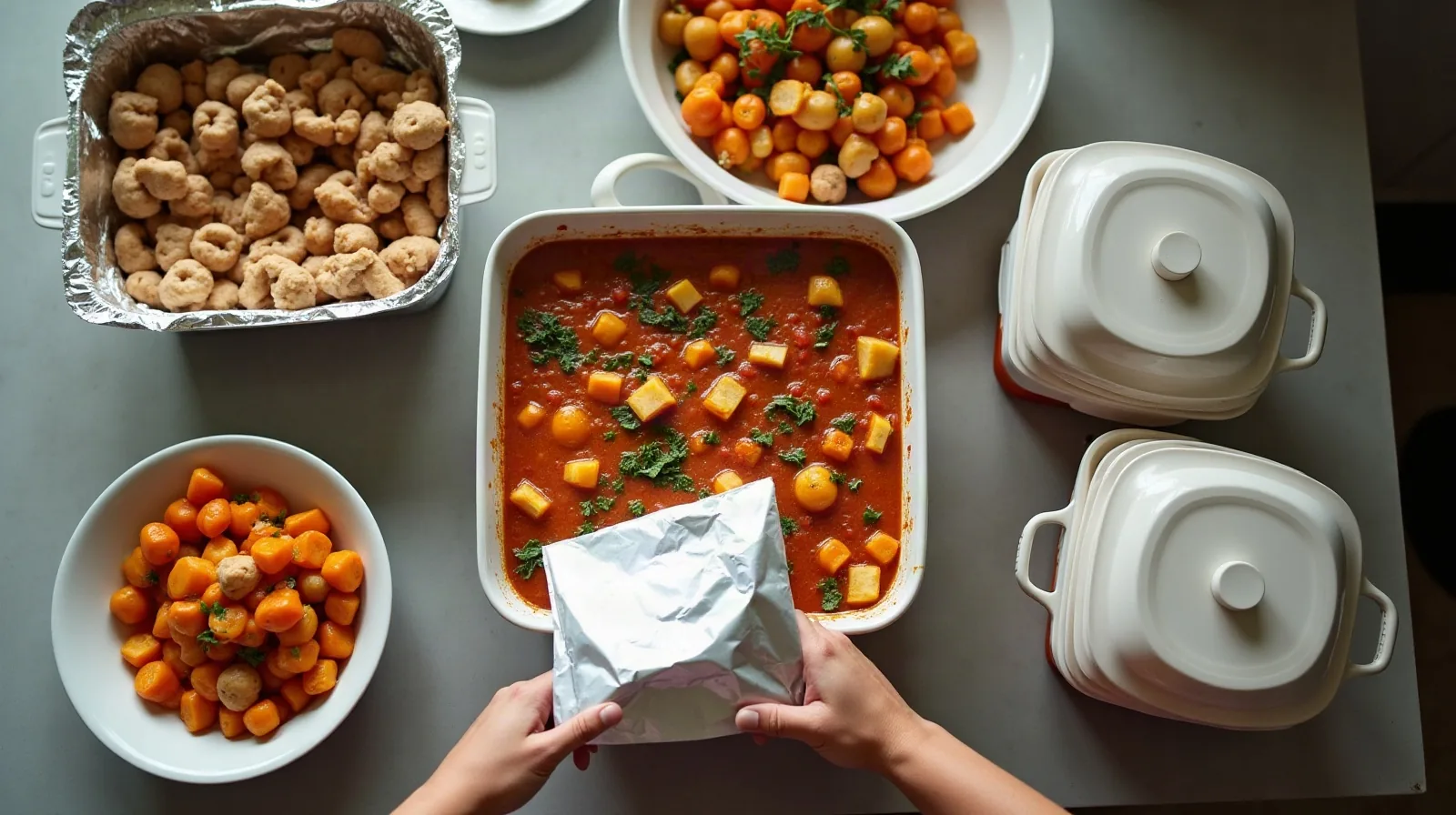
Once a meal wraps up, the clock is still running. A big pot of soup left to cool on the stove before it goes in the fridge can spend well over an hour sitting right in the danger zone, even in a cool kitchen, because a deep pot holds its heat stubbornly. Large batches cool fastest split into smaller, shallow containers instead of one deep one, since a thin layer of food loses heat far quicker than a thick one. An ice bath under the container, or stirring in a handful of ice as an ingredient where that works for the dish, speeds things up further. The goal is getting food from hot to refrigerator-cold in about two hours total — not leaving a warm pot on the counter to cool fully before it ever goes in.
Reheating: The One Number That Actually Matters
Reheating leftovers isn’t just about making them hot enough to enjoy — it needs to bring the food back up to an internal temperature of 165°F to kill off anything that grew during storage. A food thermometer, not a clock or a guess, is the only reliable way to confirm that, especially with something dense like a casserole or a thick cut of meat that can feel steaming on the surface while the center is still lukewarm. Soups, sauces, and gravies are the simplest case: bring them to a full rolling boil, which reliably clears 165°F straight through.
The Cook Temperatures Worth Memorizing
A short list of numbers covers almost everything that comes off a stove or out of an oven. Poultry needs to reach 165°F all the way through. Ground meats — where bacteria from the surface gets mixed through the whole batch during grinding — need 160°F. Whole cuts of beef, pork, and lamb are safe at 145°F followed by a few minutes of rest, and the same 145°F applies to most fish. Reheated leftovers of any kind follow the same 165°F rule as fresh poultry, regardless of what the dish actually is. A cheap instant-read thermometer, checked at the thickest part of the food, takes the guesswork out of all of it — cutting into meat to check the color is a far less reliable test than the actual number underneath.
The Short List Worth Keeping on the Fridge
- Two hours is the total limit in the danger zone — one hour if the room is above roughly 90°F.
- Hold hot food above 140°F and cold food below 40°F the entire time it’s being served.
- Cool leftovers in shallow containers, not one deep pot, to get them cold fast enough.
- Reheat to 165°F, checked with a thermometer — never judged by sight, smell, or a guess.
- When the timing is unclear or something smells even slightly off, it isn’t worth the risk.
None of this requires treating a weeknight dinner like a lab experiment. Most of it comes down to two instincts once they’re in place: don’t let food linger at room temperature longer than it has to, and trust a thermometer over a guess. The two-hour window, the 140°F holding line, and the 165°F reheat number are the three details genuinely worth remembering — everything else about everyday food safety builds out from those.