Pasta is the easiest dinner there is — boil water, add noodles, wait. So it’s strange how often it comes out gummy, stuck in a clump, or tasting like nothing at all. The box isn’t the problem. A handful of small habits in the pot decide whether you get a plate you’d be happy to serve or a bowl you quietly douse in sauce to hide.
This guide covers the pot, the salt, the timing, and the finishing moves — the parts that rarely make it onto the package directions.
Use a Bigger Pot Than You Think
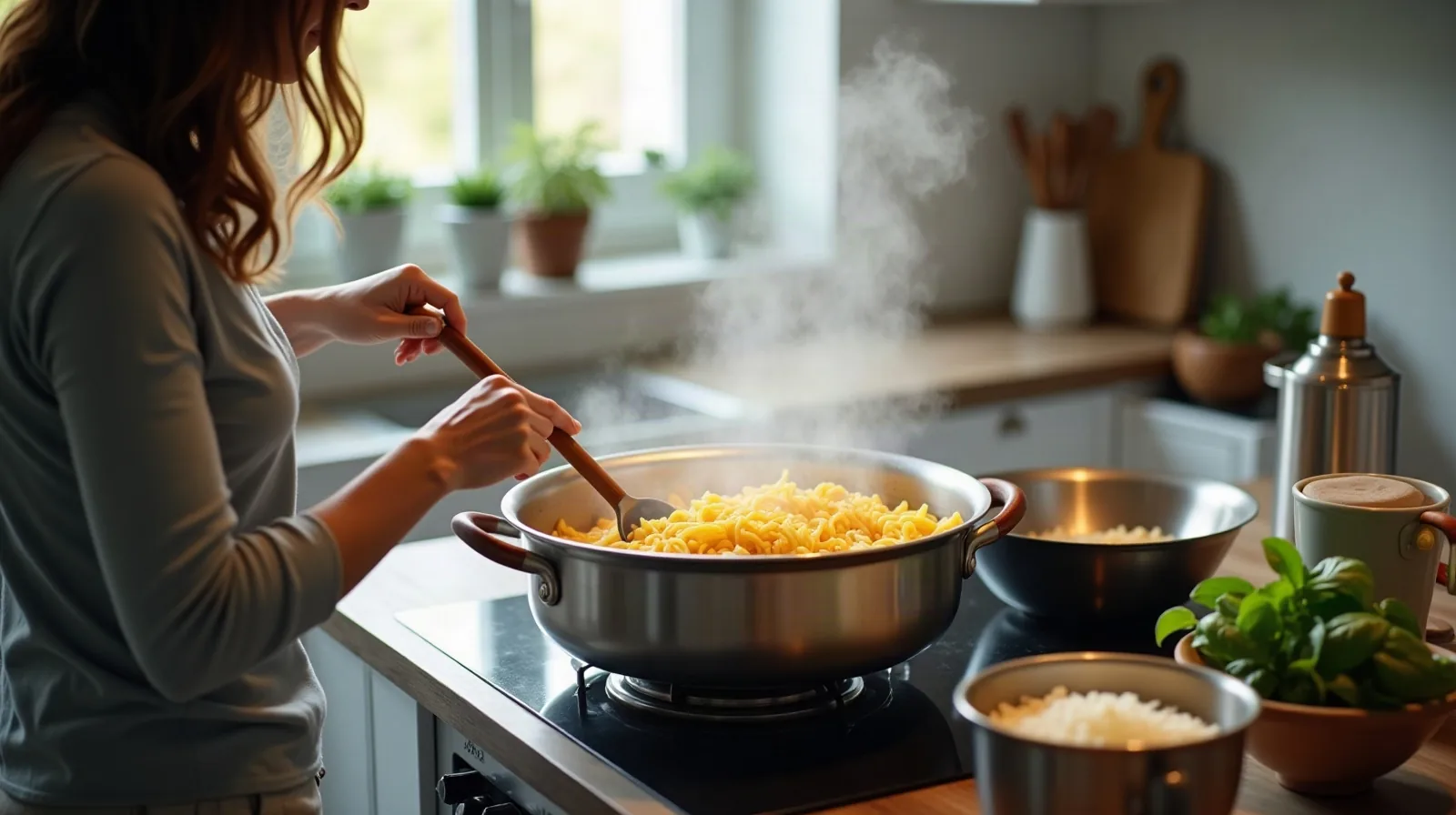
Pasta releases starch as it cooks. In a small pot with too little water, that starch has nowhere to go, so it turns the water gluey and glues the noodles together. A large pot gives the water room to stay hot when the pasta goes in, keeps the starch diluted, and lets the pieces move freely.
- Fill generously. A good rule is about a gallon (four liters) of water for a pound of pasta. Less is workable for a small portion, but err toward more.
- Use the widest pot you have. Long noodles like spaghetti need to submerge fully without being forced into a bend.
- Cover while heating, uncover to cook. A lid gets the water to a boil faster. Take it off once the pasta is in, so the pot doesn’t foam over.
Salt the Water Like You Mean It
Pasta absorbs water as it cooks, and that water is the only chance to season the noodles from the inside. Salt added at the table sits on the surface; salt in the pot ends up in the pasta itself. This is the single biggest fix for bland results.
A workable target is a heaping tablespoon of coarse salt for the gallon of water — the water should taste pleasantly salty, like a mild broth, not like the sea. Add the salt once the water is boiling, then stir so it dissolves before the pasta goes in.
Two myths are worth dropping. Oil in the water doesn’t keep the noodles from sticking — it floats on top and, worse, coats the cooked pasta so sauce slides right off. Stirring does the job instead. And you don’t need to rinse cooked pasta for hot dishes, since rinsing washes away the surface starch that helps sauce cling.
Stir Early, Then Watch the Clock
The first minute or two is when pasta is stickiest, because the outside is coated in fresh starch. Drop it in, push long noodles under as they soften, and stir well right away and again once or twice early on. After that, a stir every minute or so is plenty.
For timing, treat the package as a starting point rather than a rule:
- Set a timer for two minutes under the low end of the range printed on the box.
- Fish out a piece and bite it. The center should still show a faint opaque dot of firm pasta — that’s the “al dente” stage, Italian for “to the tooth.”
- Remember it keeps cooking. Pasta that finishes in a hot sauce for another minute or two will soften further, so pulling it slightly early gives you a perfect bite on the plate instead of mush.
Fresh pasta is a different animal: it cooks in two to four minutes, so stay close and test early.
Save a Cup of Pasta Water Before You Drain
That cloudy water is liquid gold. It’s salty, and it’s full of starch — which is exactly what helps a sauce thicken slightly and cling to the noodles instead of pooling at the bottom of the bowl.
- Scoop before you drain. Ladle or mug out a cup, then tip the rest into the colander. It’s easy to forget once the steam hits, so set the mug next to the pot before you start.
- Finish the pasta in the sauce. Move the drained noodles into the pan with the sauce, add a splash of the reserved water, and toss over medium heat for a minute. The sauce turns glossy and coats every piece.
- Add by the spoonful. A little goes a long way, and you can always add more. Too much simply thins the sauce.
Fixing the Usual Problems
- Clumped together. Usually too little water or too little stirring early on. Next time, use a bigger pot and stir in the first two minutes. Already clumped? Toss the pasta with a splash of hot pasta water and a little sauce to loosen it.
- Gummy or mushy. Overcooked, or sat too long after draining. Pull it earlier and get it into the sauce right away.
- Bland. Not enough salt in the water. Salting the plate afterward helps only a little; fix it in the pot next time.
- Sauce slides off. The pasta was rinsed or oiled. Skip both and finish it in the pan with a spoonful of pasta water.
- Boils over. The pot is too full or the heat too high. Lower the flame once the pasta goes in, and lay a wooden spoon across the top if foam rises.
Leftover Pasta Without the Brick
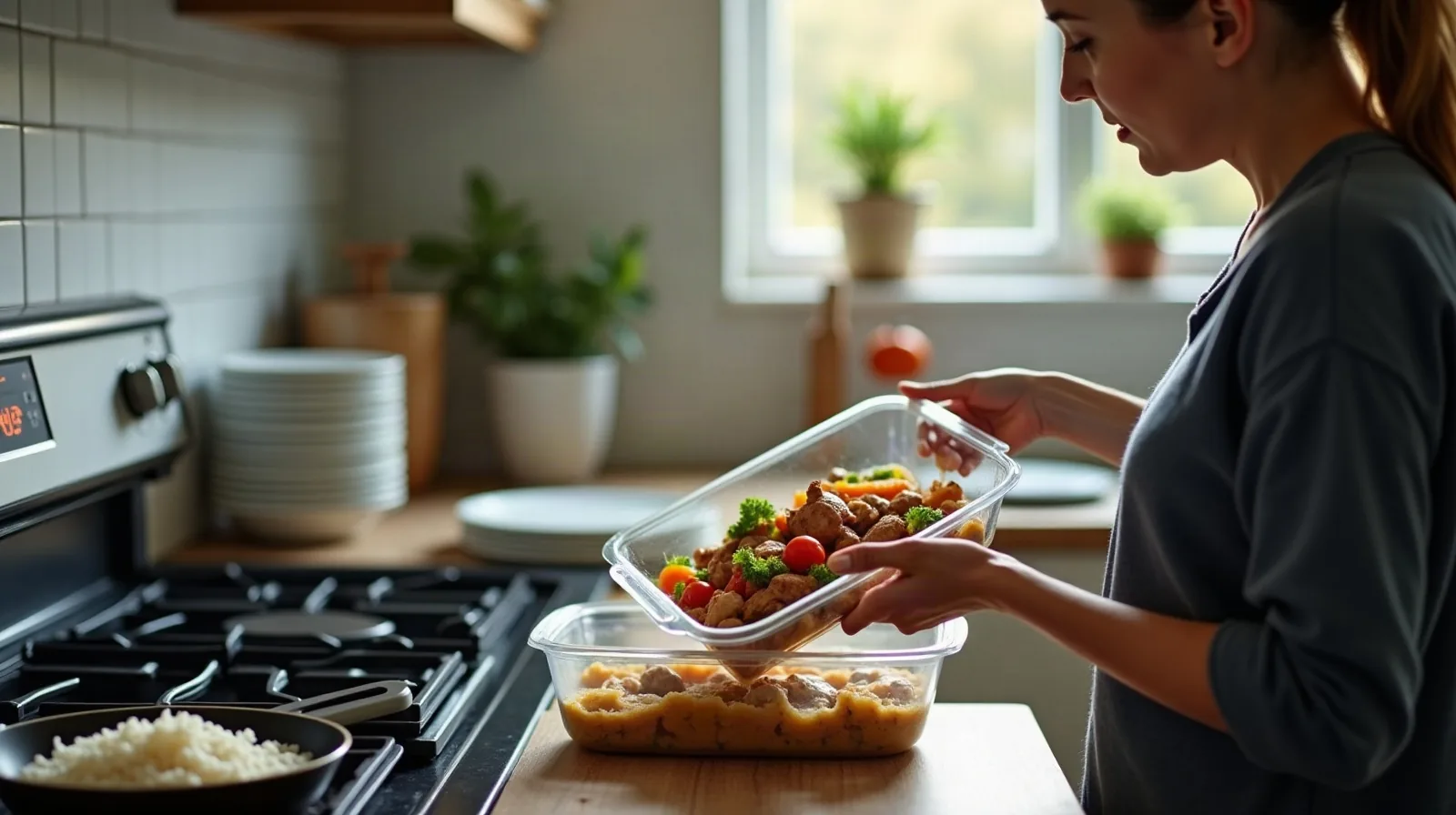
Cooked pasta stored plain and cold turns into a stiff block. If you expect leftovers, cool the pasta quickly, toss it with a little of the sauce, and store it in a shallow airtight container in the fridge. Eat it within three to five days. To reheat, add a splash of water and warm it in a covered pan or microwave-safe bowl, stirring partway through, so the noodles loosen instead of drying out.