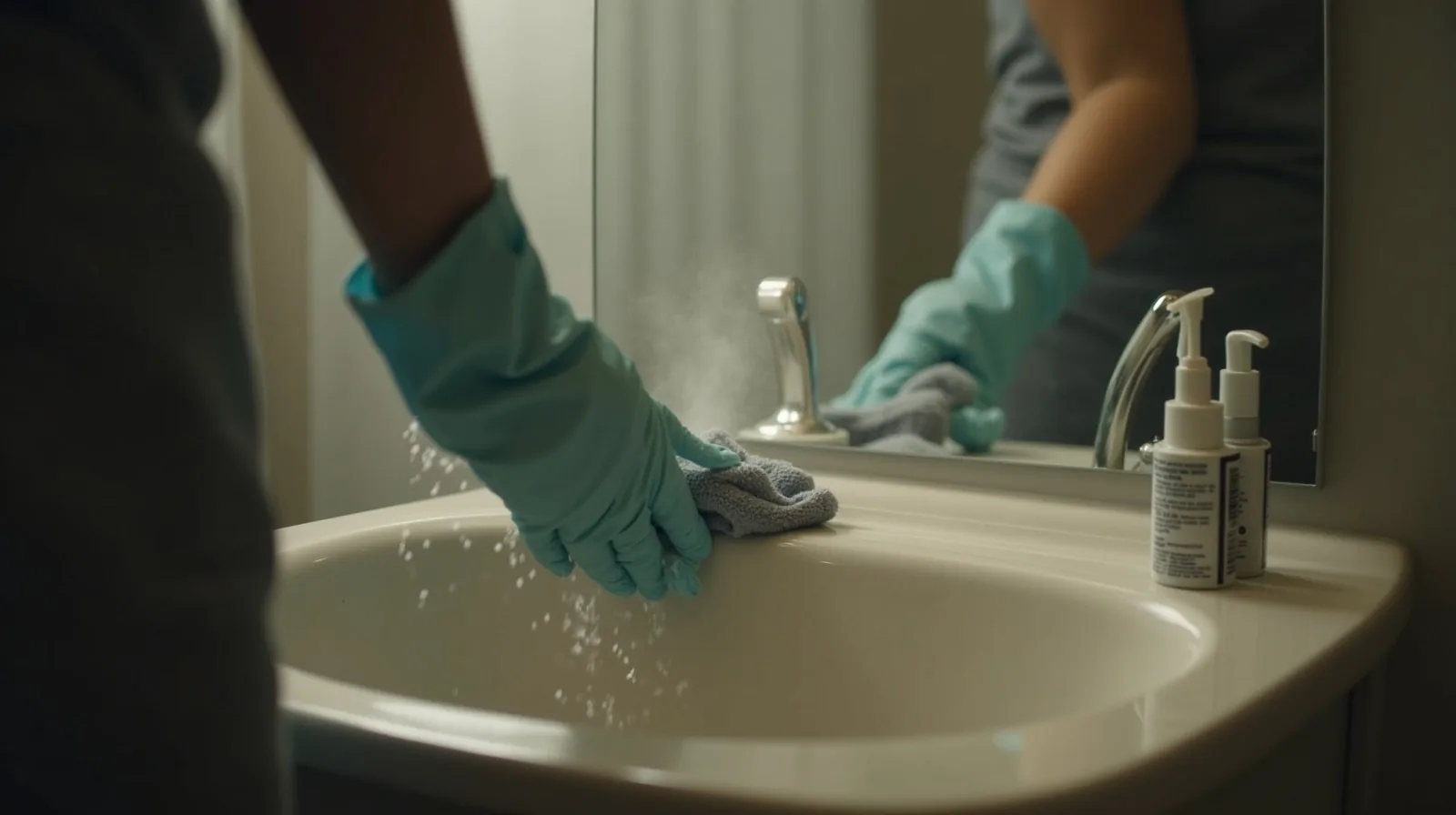
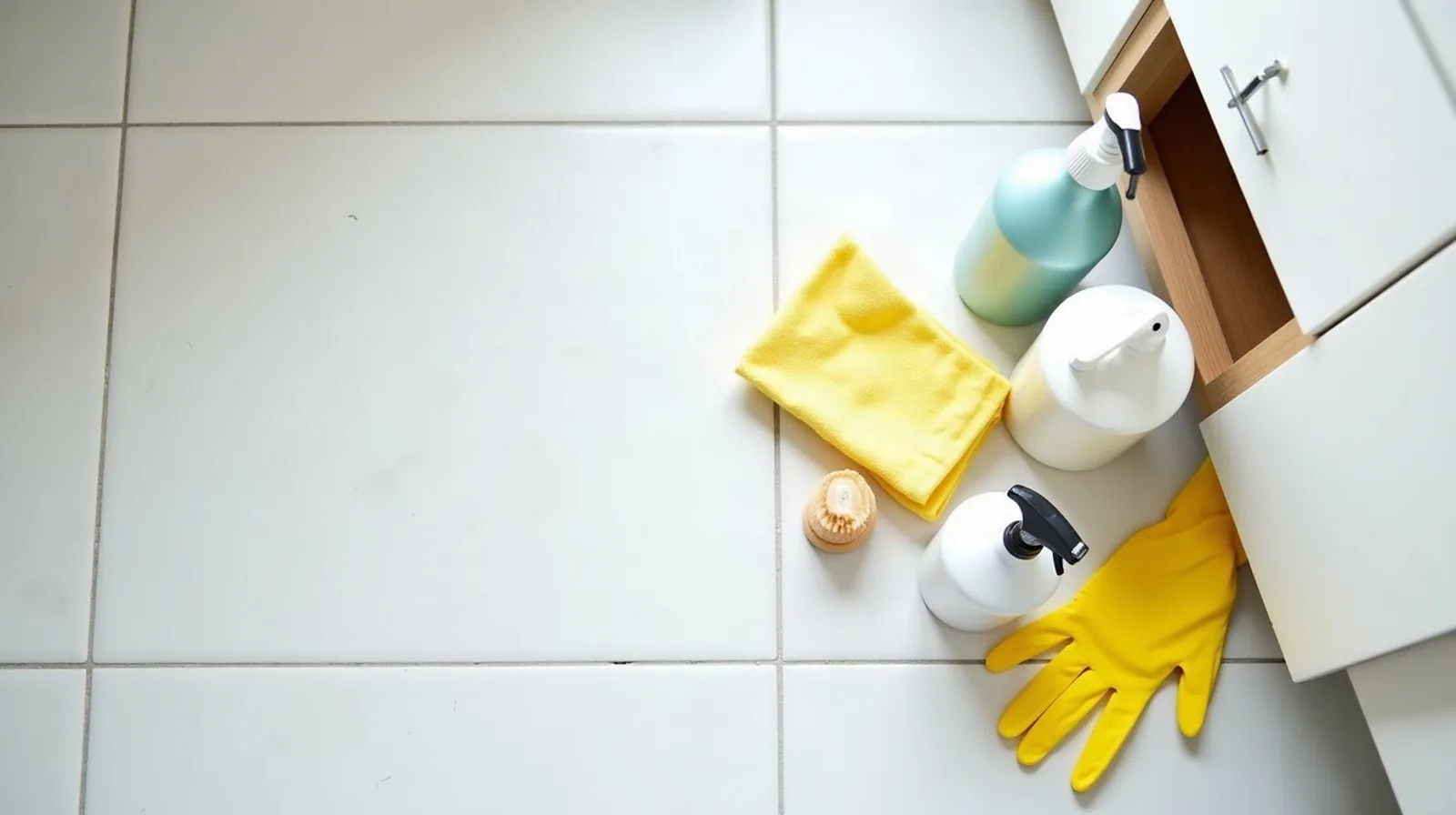
Nobody sets out to mix chemicals in the kitchen or bathroom. It usually happens by accident — one cleaner sprayed on a surface that still has residue from another, a splash added to a bucket that already has something else in it, or two different products poured into the same toilet bowl back to back because neither one alone seemed to be working fast enough. Most combinations like this are harmless. A small handful are not, and the ones that aren’t can produce a toxic gas in seconds, in a small bathroom with the door closed, before anyone realizes what’s happening. Knowing the handful of pairs to keep apart is a five-minute read that matters more than almost anything else in a cleaning routine.
Bleach and Ammonia Is the One Everyone Should Know
Bleach and ammonia react to form chloramine vapors, and this combination is behind the largest share of accidental poisoning calls tied to household cleaning. The tricky part is that ammonia doesn’t always announce itself on the front of a label — it’s a common ingredient in some glass cleaners and a number of general all-purpose sprays, listed only in the small print on the back. Mixing a bleach-based product with any of these, even in small amounts, in a small enclosed room like a bathroom, can produce enough vapor to cause coughing, chest tightness, and watery eyes within minutes. The safest rule is the simplest one: never use a bleach-based product and an ammonia-based product in the same session on the same surface, and rinse one completely away with plain water — not another cleaner — before switching to the next.
Bleach and Any Acid Makes Chlorine Gas
Bleach reacts just as badly with anything acidic, and vinegar is the most common acid sitting under a kitchen or bathroom sink. Combine the two and the reaction releases chlorine gas — the same gas once used as a chemical weapon, in a much lower concentration here but still genuinely dangerous in an enclosed space. This pairing catches people off guard because both bleach and vinegar are individually considered safe, everyday cleaning staples, so it feels intuitive to reach for one right after the other on the same stubborn spot. Several toilet bowl cleaners and rust removers are acidic too, which is actually the more common way this mistake happens in practice — someone pours in an acidic bowl cleaner, isn’t satisfied with the result, and adds bleach on top to finish the job.
Hydrogen Peroxide and Vinegar Turns Corrosive Together
Hydrogen peroxide and vinegar are both mild, popular cleaning staples on their own, and it’s tempting to combine them for extra strength — some people even store both in one spray bottle to save a step. Combined, they form peracetic acid, a strong corrosive that can irritate skin, eyes, and lungs in a way neither ingredient does by itself. If a tip or a recipe calls for using both on the same job, the safe version always applies them one at a time, rinsing the first away before the second goes on, never combined in the same container.
The Hidden Trap: Two Bottles, the Same Active Ingredient
The mixing accidents that catch careful people off guard usually aren’t “I intentionally combined two chemicals” — they’re “I used two different products that happened to share an ingredient.” A generic disinfecting spray, a mold and mildew remover, and a scouring powder can all contain bleach without the word ever appearing in large type on the front. A glass cleaner or a general multi-surface spray can contain ammonia the same quiet way. The habit that actually prevents accidents isn’t memorizing every brand’s formula — it’s checking the ingredients list on the back of two products before using them one after another on the same surface, especially in a small bathroom with the door shut and the fan off.
How to Read a Label in Ten Seconds
Every household cleaner sold in the U.S. lists its ingredients or active ingredients somewhere on the label, usually on the back in small print. Scan for “sodium hypochlorite” (bleach), “ammonia” or “ammonium,” and check whether a product markets itself as acidic — toilet bowl cleaners, rust and lime removers, and some tile cleaners are the common ones. If a product doesn’t list ingredients clearly, or the label has worn off, treat it as an unknown: use it alone, rinse the surface, and switch to a fresh cloth or brush before reaching for anything else.
Ventilation Matters as Much as the Products Themselves
Every one of these reactions gets more dangerous in a small, closed room, which describes most bathrooms. Opening a window, running the exhaust fan, and propping the door before starting any job that involves more than one cleaning product — even products that aren’t supposed to react — costs nothing and cuts the risk substantially if something does go wrong. It’s worth keeping as a habit even with a single product, since fumes from any one cleaner build up faster in a sealed room than most people expect.
If You Ever Mix Something by Accident
If a mix produces a strong odor, or anyone starts coughing, has trouble breathing, or feels eye or throat irritation, leave the room immediately and get to fresh air — don’t go back in to “finish the job” or open a window from inside. Don’t try to neutralize the smell with yet another cleaning product; that risks a third reaction. Once everyone is out and breathing clean air, call Poison Control (in the U.S., 1-800-222-1222) and describe both products by name. They can tell you whether the situation is genuinely dangerous or just unpleasant, and exactly what to do next. If anyone is having real difficulty breathing, that’s a call to emergency services, not a wait-and-see situation.
A Safer Way to Get More Cleaning Power
The instinct behind most of these accidental mixes is reasonable — one product alone isn’t cutting through the grime, so reaching for a second one seems like the obvious next step. The safer version of “more power” is time and mechanical scrubbing, not chemistry: letting a single cleaner sit longer before wiping, using a stiffer brush, or trying a second application of the exact same product rather than switching to a different one. For genuinely stubborn jobs, a dedicated stronger cleaner made for that specific problem — a heavy-duty degreaser, a proper limescale remover — is a safer upgrade than combining two milder ones and hoping for a bigger effect. One cleaner, used correctly and given time to work, almost always beats two combined and rushed.
None of this means household cleaning has to feel like a chemistry hazard course. A small handful of pairs — bleach with ammonia, bleach with anything acidic, peroxide with vinegar — cause nearly every dangerous reaction, and avoiding them is as simple as never combining two different cleaning products in the same container or on the same wet surface without checking labels first. Ventilate the room, use one product at a time, rinse between them, and reach for real cleaning power instead of a risky shortcut.