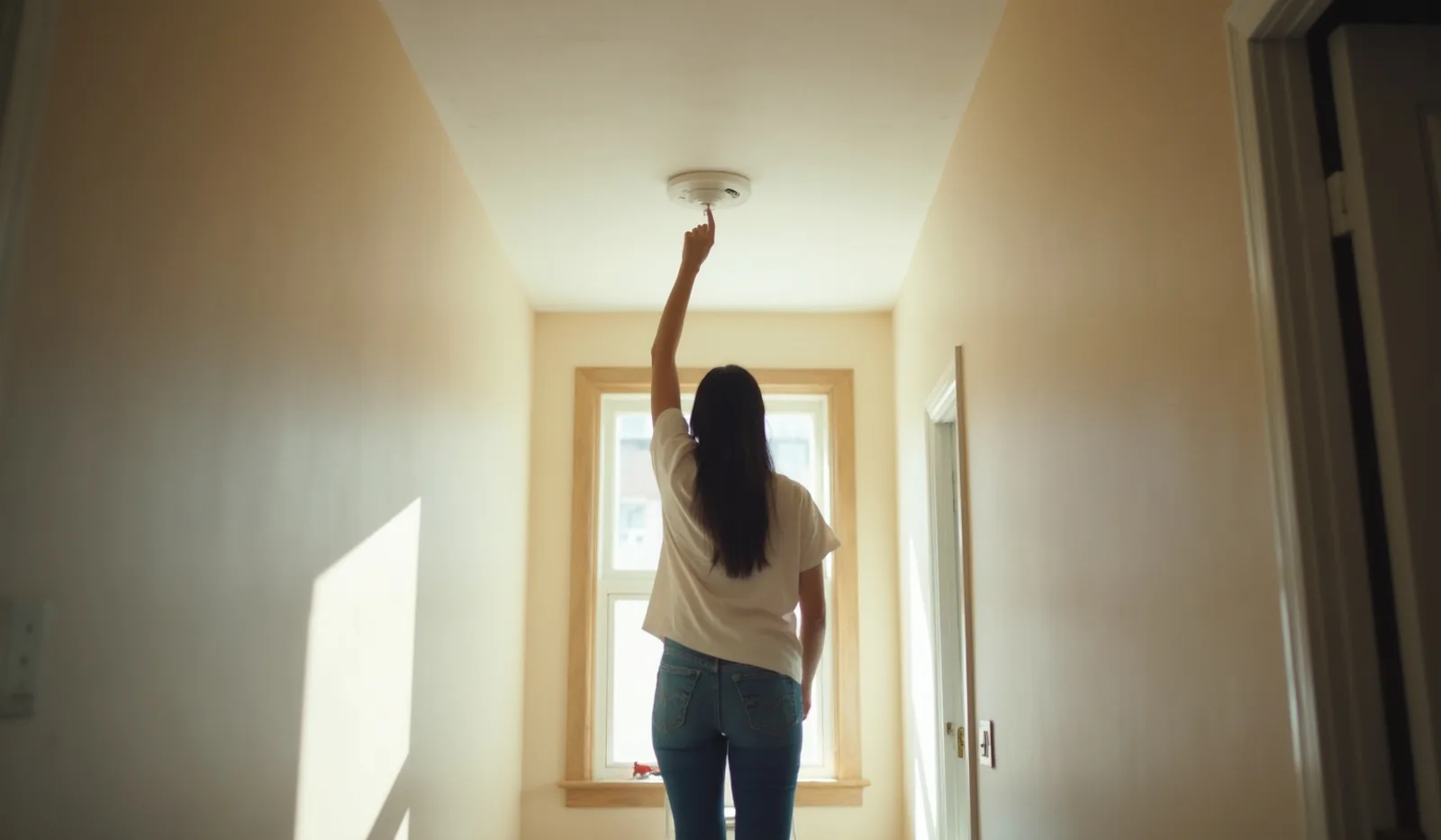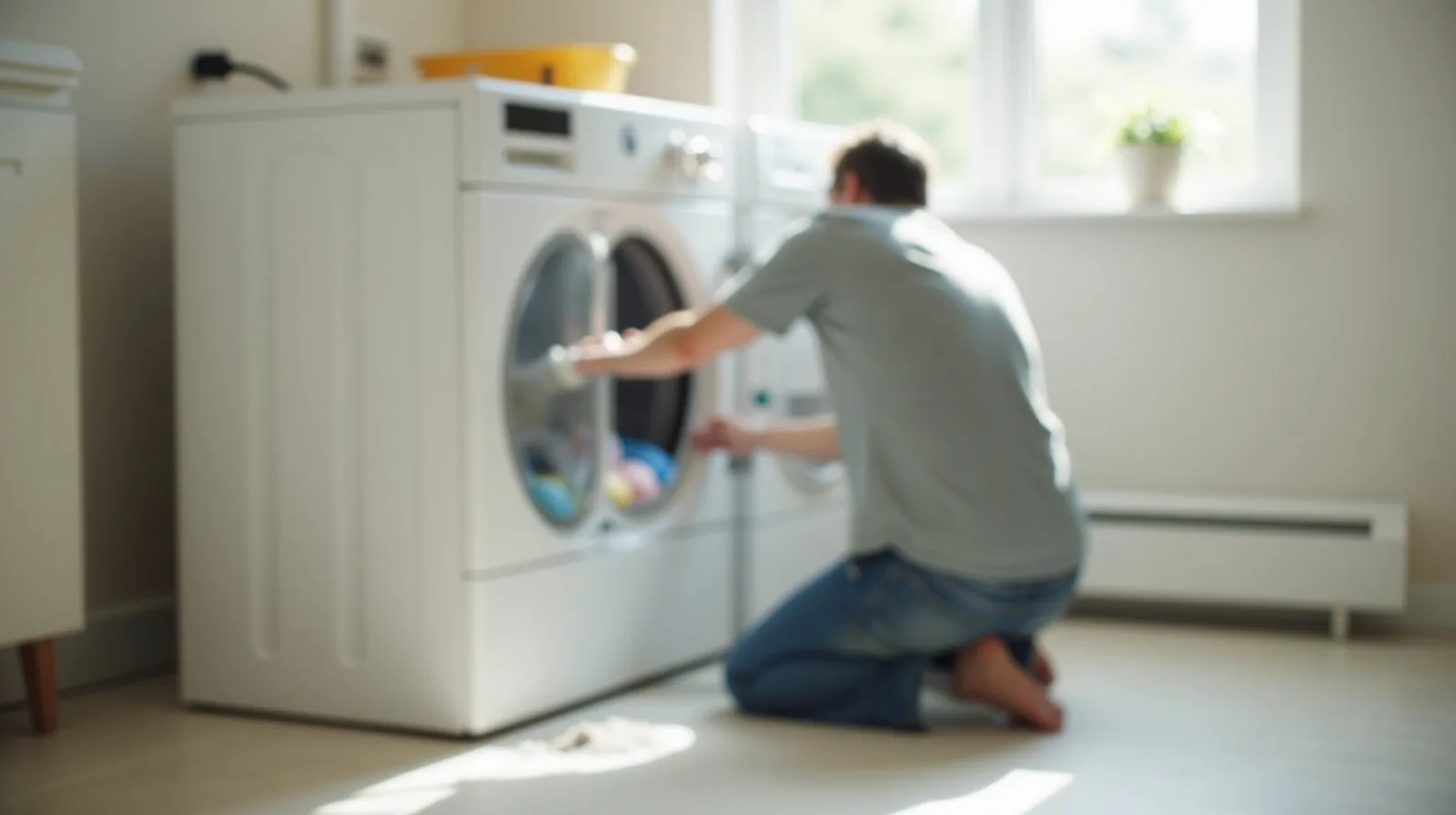
A burning smell in the house sets off the same reflex every time — a quick mental scan of the stove, the outlets, the dryer, trying to place it before deciding whether to worry. Most of the time it’s nothing serious: dust burning off a heating element that hasn’t run since last winter, a brand-new appliance breaking in, a candle wick trimmed too long. But a small number of burning smells are the house’s most reliable early warning system, and it’s worth knowing which is which before it happens, not while it’s happening.
The Harmless Explanations
A handful of burning smells show up on a predictable schedule and fade on their own, usually within twenty minutes or so:
- The first heat of the season. Furnaces, baseboard heaters, and radiators collect a season’s worth of dust on their heating elements while they sit idle. The first run of the fall produces a faint burning-dust smell that clears once the dust is gone — sooner with a window cracked.
- A brand-new appliance. Space heaters, hair dryers, ovens, and toasters are often coated in a thin manufacturing residue that burns off during the first few uses, producing a faint chemical or burning smell that stops for good after a couple of run-throughs.
- An oven’s self-clean cycle. Self-cleaning ovens burn off baked-on food residue at very high heat, which can fill the kitchen with smoke and a burning smell for the length of the cycle. Ventilate the room and don’t leave it unattended, but this is the cycle working as designed.
- Dust on a lightbulb or lamp. A layer of dust on a hot bulb, or a lampshade sitting too close to one, produces a faint burning-dust smell that clears once the dust burns off, usually within a few minutes.
The Ones That Need Attention Right Now
A different category of burning smell means something is actually failing, and it’s worth acting on immediately rather than waiting to see if it passes:
- Burning plastic or rubber near an outlet or switch. This is the single most important smell to take seriously. It usually means a wire has overheated, a connection has loosened, or a circuit is overloaded. If an outlet or switch plate feels warm to the touch, looks discolored, or the smell is clearly coming from one spot on a wall, shut off the breaker for that circuit and call a licensed electrician — don’t just keep an eye on it.
- A hot, metallic, or ozone-like smell from a running appliance. A motor in a fan, vacuum, blender, or power tool that’s overheating or wearing out often smells this way just before it fails. Unplug it, let it cool completely, and if the smell returns the next time it runs, retire the appliance rather than push your luck.
- Any burning smell that gets stronger, not weaker, over time. A harmless smell fades. One that keeps building, especially paired with visible smoke, warrants shutting the source off immediately.
One important distinction: the classic sign of a natural gas leak is a rotten-egg smell, not a burning smell. That’s a different situation entirely — don’t investigate it, don’t flip any switches, get everyone out, and call your gas utility or 911 from outside the house.
Appliance by Appliance
Once the smell is clearly coming from a specific appliance rather than the walls themselves, a few usual suspects cover most cases:
- Dishwasher. A burning-plastic smell usually means a utensil or a piece of packaging fell against the heating element at the bottom of the tub. Check under the bottom rack before running another cycle.
- Oven and stovetop. Spills that drip onto a burner or the oven floor bake into a burnt smell the next time the heat comes on. A quick wipe-down after cooking, and a real cleaning of the oven floor a few times a year, prevents most of it.
- Microwave. A scorched smell after popcorn, or after running it empty with nothing inside to absorb the microwaves, usually clears with a few open-door hours and a wipe-down; if it lingers for days, the appliance may be on its way out.
- Dryer. A burning-lint smell is almost always a vent clogged with lint, trapping heat with nowhere to go. It’s worth clearing the full vent path, not just the lint trap, before running another load.
- Furnace or heat pump. Beyond the harmless first-run dust smell, a burning odor that doesn’t fade after thirty minutes — especially a plastic or electrical smell — means it’s time to shut the system off and call a technician rather than keep running it.
When to Stop Troubleshooting
Most burning smells resolve themselves once you’ve identified and addressed the obvious cause. A few signs mean it’s time to stop investigating and get help instead: the smell doesn’t fade after you’ve dealt with the likely source, a breaker keeps tripping the moment you reset it, an outlet or wall stays warm to the touch, or you see any actual smoke. None of those are situations to wait out. Know where your breaker panel is before you need it in a hurry, keep a fire extinguisher rated for electrical fires somewhere accessible, and treat a professional’s assessment as cheap insurance against a problem that’s hiding inside a wall.