It’s easy to believe that better coffee requires a better machine — that the café tastes great because of expensive equipment you don’t have. But most of what makes coffee good or bad has almost nothing to do with the brewer and everything to do with a few fundamentals that are free or nearly free. Get those right and a simple, cheap setup makes coffee that genuinely beats what a lot of people pull from pricey machines. Here’s where the real difference lives.
Start with fresh beans
Coffee is at its best within a few weeks of being roasted and goes flat and dull as it ages — and pre-ground coffee stales fastest of all, because grinding exposes far more surface to air. Two high-impact moves: buy whole beans and grind them just before you brew, and buy in amounts you’ll finish in a few weeks rather than a giant tub that goes stale. Store the beans in an airtight container somewhere cool and dark — not the fridge or freezer for daily use, which invites moisture. Fresh beans alone can transform a mediocre cup.
Get the ratio (and the grind) right
The most common reason home coffee tastes weak, bitter, or sour is the amount of coffee, not the beans:
- Use enough coffee. Most people under-dose. A solid starting point is roughly two tablespoons of grounds per six ounces of water; adjust to taste. Weak, watery coffee is usually just too little coffee.
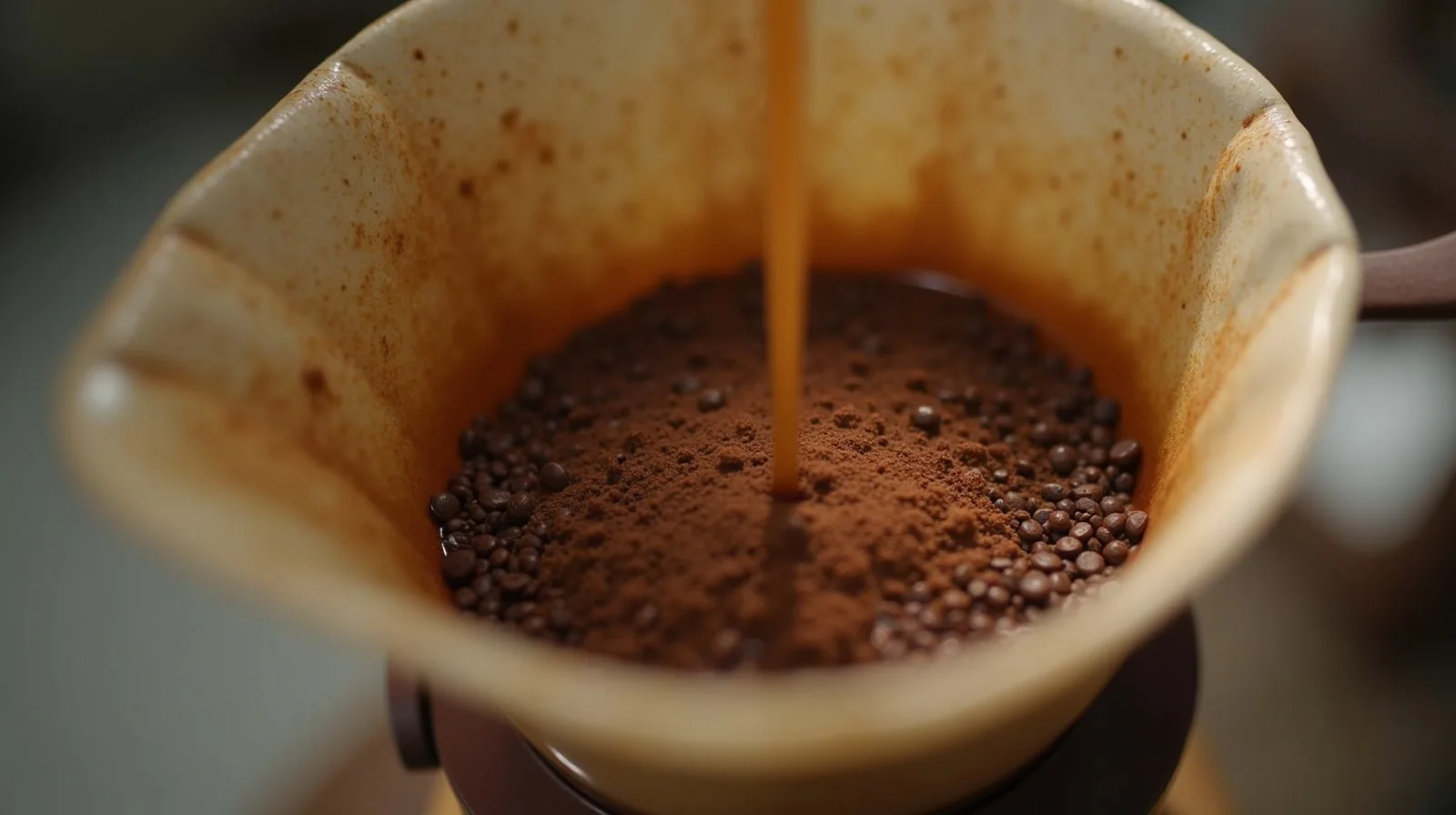
- Match the grind to the method. Coarse for a French press, medium for a drip machine or pour-over, fine for espresso. The wrong grind size gives you bitter (too fine) or sour and thin (too coarse) coffee even when everything else is right.
Water matters more than you think
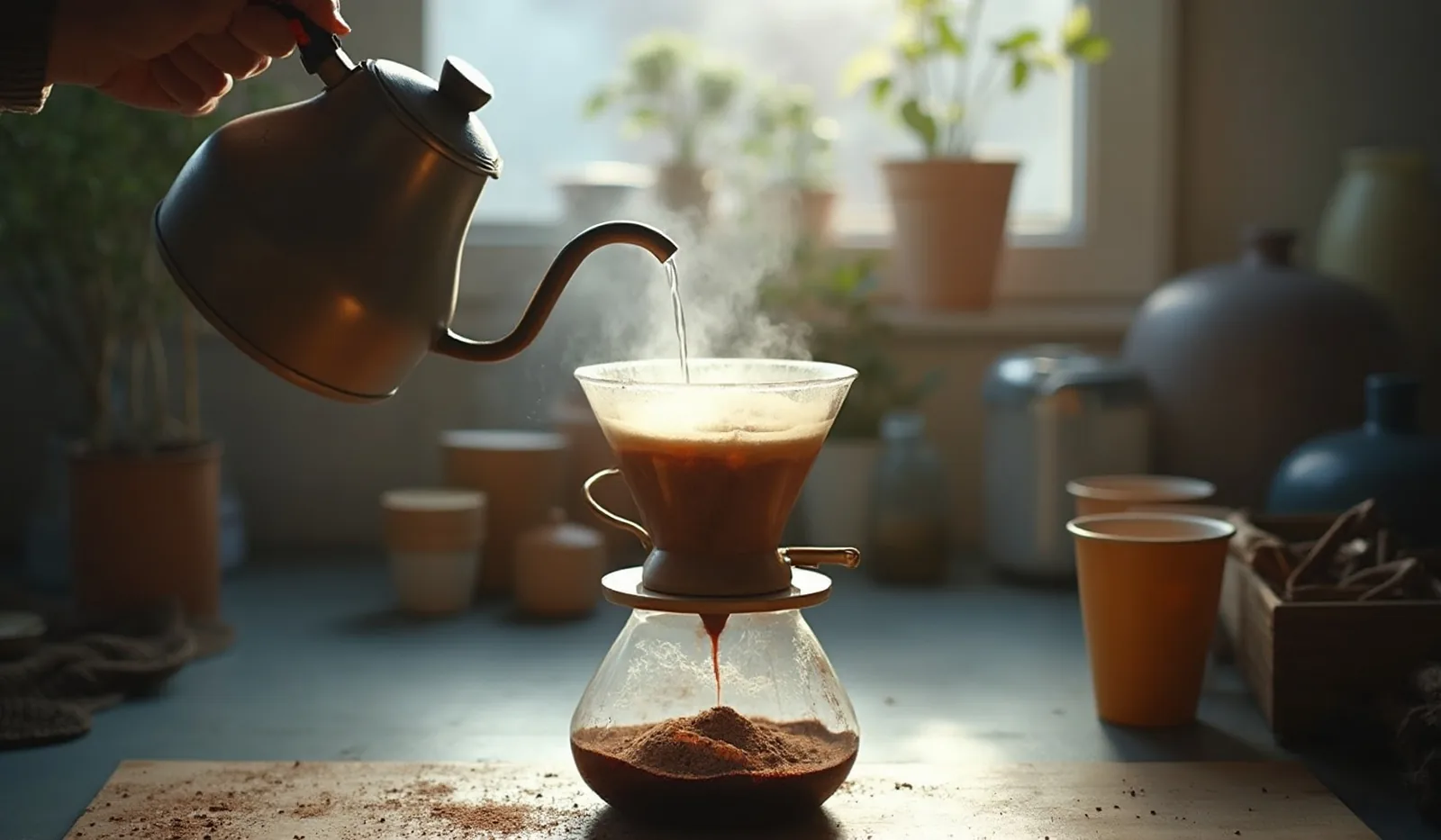
Your cup is almost all water, so its quality and temperature count. Use good-tasting filtered water — if your tap water tastes off, so will your coffee. And use water just off the boil, around 90–96°C (195–205°F): boiling water scorches the grounds and turns the coffee bitter, while water that’s too cool under-extracts and tastes weak and sour. If you don’t have a thermometer, let a boiled kettle sit for about thirty seconds before pouring.
Keep the brewer clean
Coffee leaves oily residue that goes rancid and taints every future cup with a stale, bitter edge — a dirty machine is a surprisingly common reason home coffee tastes bad. Rinse your brewer, carafe, and filter basket after each use, and give the machine a deeper clean periodically (a vinegar cycle for drip makers descales and degreases). A clean brewer lets the coffee actually taste like the beans.
Skip the equipment upgrade and fix the fundamentals first: fresh whole beans ground before brewing, enough coffee at the right grind, clean good-tasting water at the right temperature, and a clean brewer. Nail those and whatever method you already own — drip, press, or pour-over — will make a cup worth staying home for.