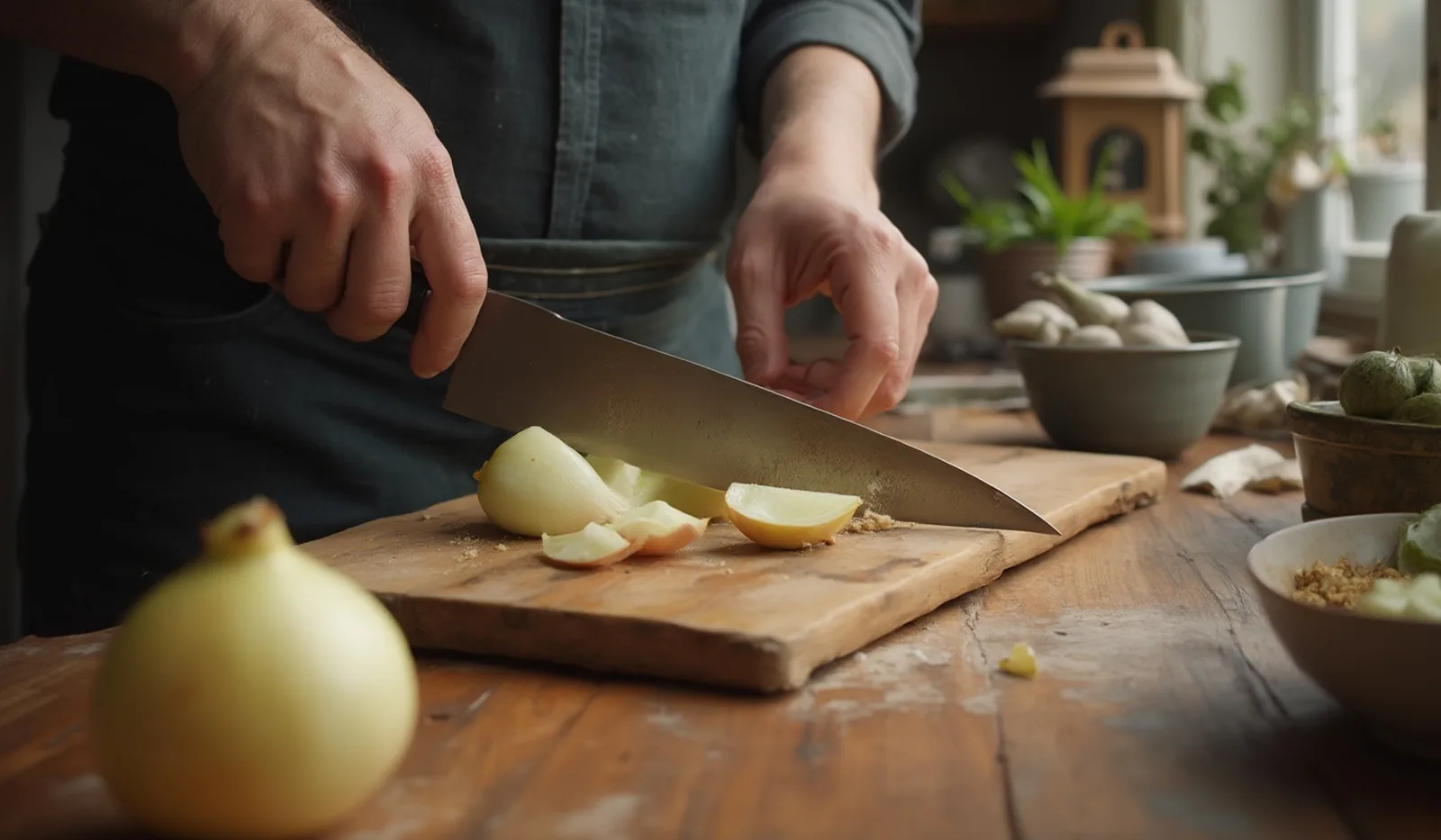
Breakfast is the meal most likely to get skipped, not because anyone dislikes it, but because mornings don’t leave room for decisions. The fix isn’t waking up earlier — it’s spending about thirty minutes once a week making the decision in advance, so morning-you only has to grab and go, no thinking required.
Why breakfast is the meal that breaks first
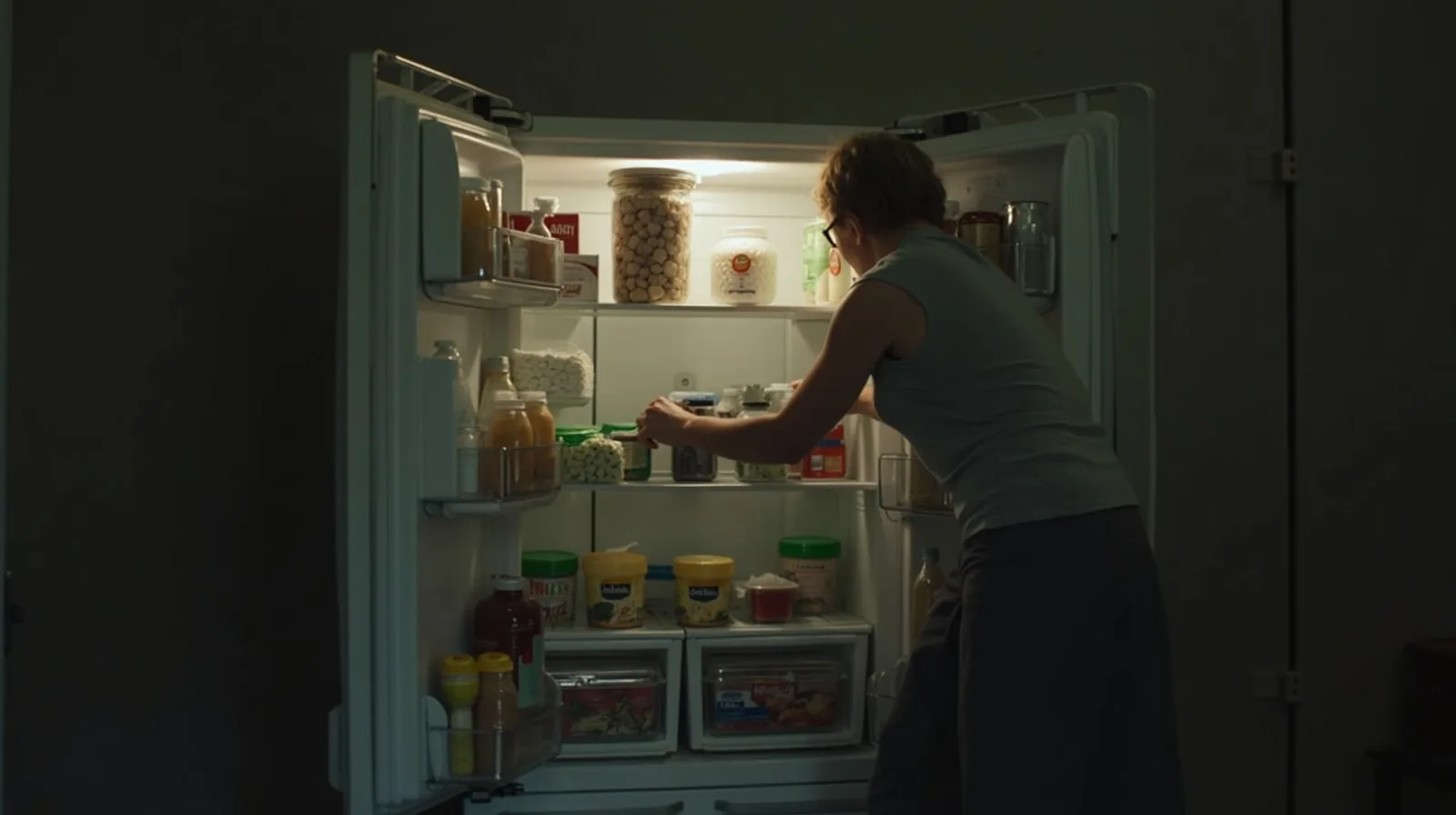
Lunch and dinner get planned, but breakfast usually gets whatever’s fastest or skipped altogether, because the morning is already the most time-pressured part of the day. Decision fatigue plays a real role too — standing in front of the fridge trying to invent something first thing is a worse use of willpower than deciding once, calmly, on a weekend.
- Mornings are the least flexible part of the day, so anything that requires a decision or real cooking tends to lose out to convenience food.
- Batching moves the decision earlier, to a moment when there’s actually time to think about it.
- A skipped breakfast often means a worse lunch, since hunger by midday tends to push toward whatever’s fastest rather than whatever’s actually wanted.
The make-ahead components worth keeping in rotation
A handful of components cover most breakfast preferences and all store well for days.
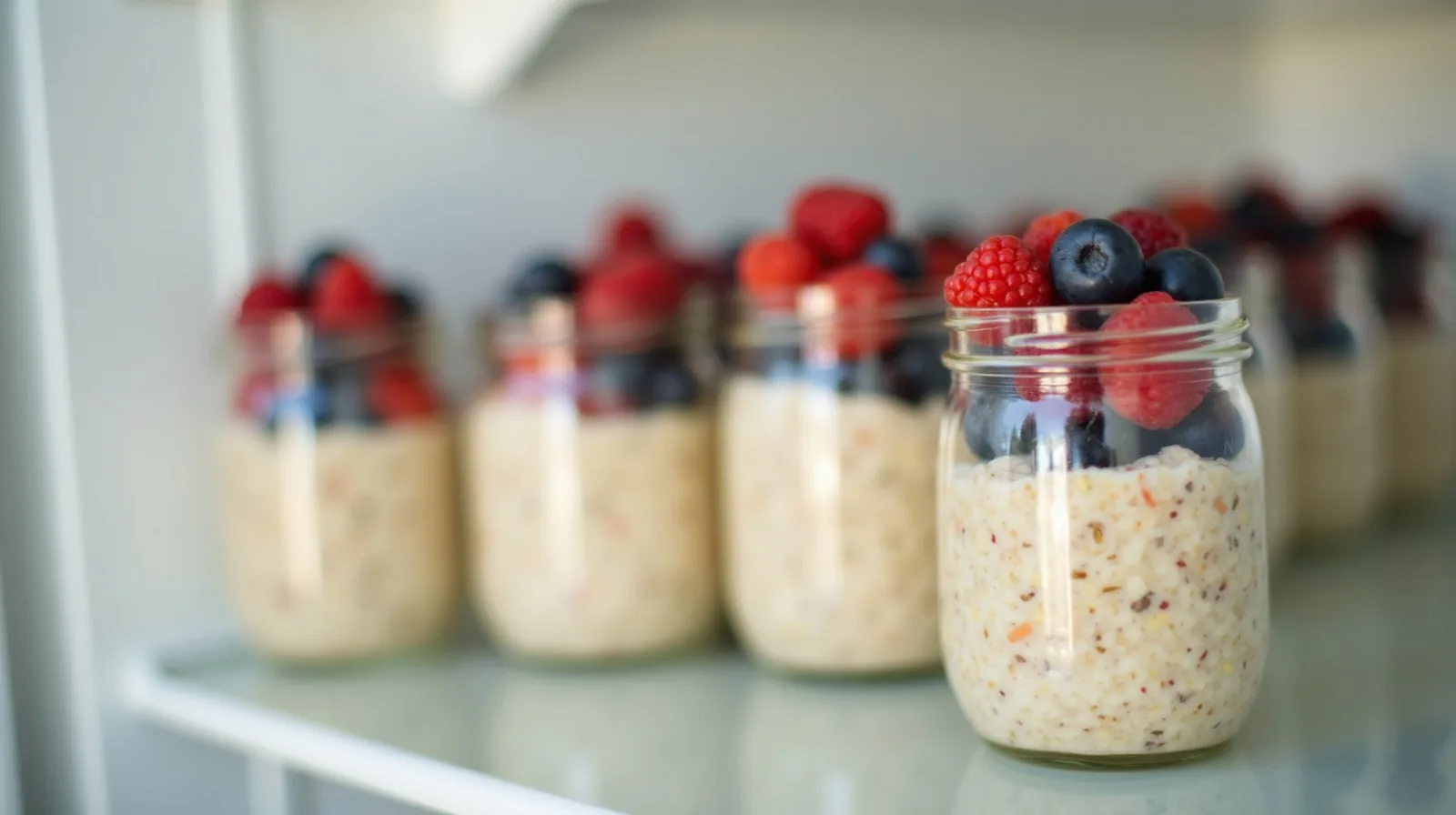
- Overnight oats in jars — oats, milk of choice, and a topping, left in the fridge overnight and ready straight from the shelf for up to five days.
- Egg muffins or egg cups baked in a muffin tin with vegetables and cheese mixed in — a protein-forward option that reheats in under a minute.
- Freezer breakfast sandwiches assembled and wrapped individually, ready to reheat straight from frozen on a busier week.
- Chia pudding pots — chia seeds soaked in milk with a little sweetener, ready after a few hours and holding well for days.
- Pre-portioned smoothie bags, frozen fruit and greens measured into individual freezer bags, ready to dump straight into a blender.
- Baked oatmeal cut into squares, which reheats like a bar and travels well for anyone eating on the way out the door.
None of these require special equipment beyond a muffin tin, a blender, and a set of jars, and most households already have all three. The point isn’t to make every option every week — it’s to always have at least one ready.
A 30-minute Sunday routine
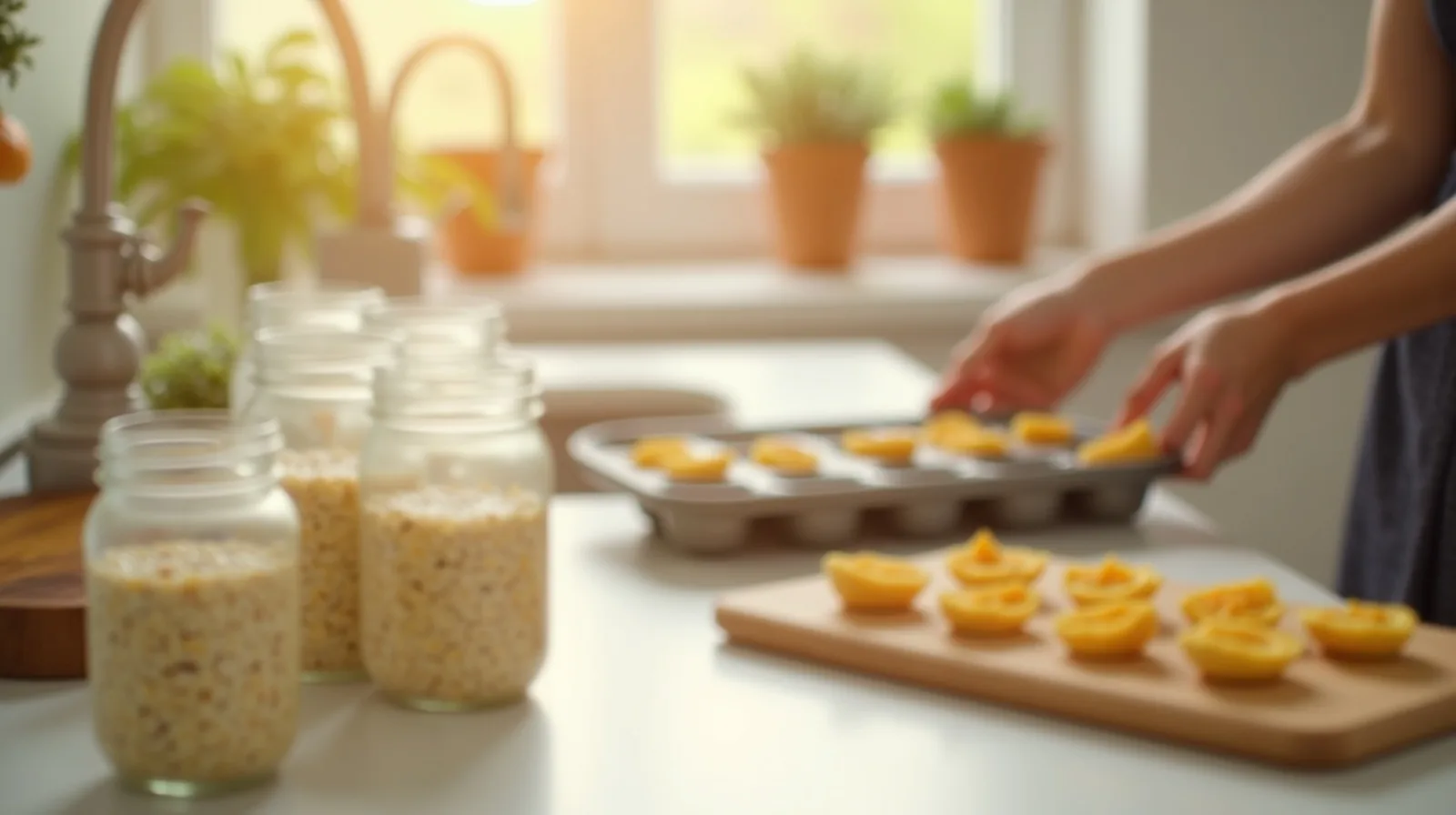
The whole system runs on one short session, not a marathon of cooking. The order matters more than it might seem — starting with whatever needs the least attention frees up hands and counter space for everything else.
- Start the oven first for egg cups, since they need the least hands-on attention once they’re in.
- Layer overnight oats jars while the eggs bake — this takes only a few minutes for a full week’s worth.
- Portion smoothie bags into the freezer in the gaps between other steps.
- Rotate which components you make week to week rather than doing all five every time — two or three in rotation is plenty of variety without extra effort.
- Label jars with the day, if the household eats through them unevenly, so the oldest jar always gets grabbed first.
Storage, reheating, and keeping it varied
How things are stored determines how good they still taste by day four or five.
- Refrigerate oats and chia pots in sealed jars; both keep well for about five days.
- Freeze egg cups and sandwiches if you won’t get through them within a few days, and reheat straight from frozen.
- Vary the toppings, not just the base, to keep the same few components from feeling repetitive — different fruit, a different spice, a different cheese in the egg cups each week.
- Keep one no-cook option on hand, like fruit and a jar of nut butter, for the rare morning when even reheating feels like too much.
The system doesn’t need to be elaborate to work. Even one component made consistently — a standing batch of overnight oats, say — removes the single most common reason breakfast gets skipped: not having anything ready when it’s actually time to eat.