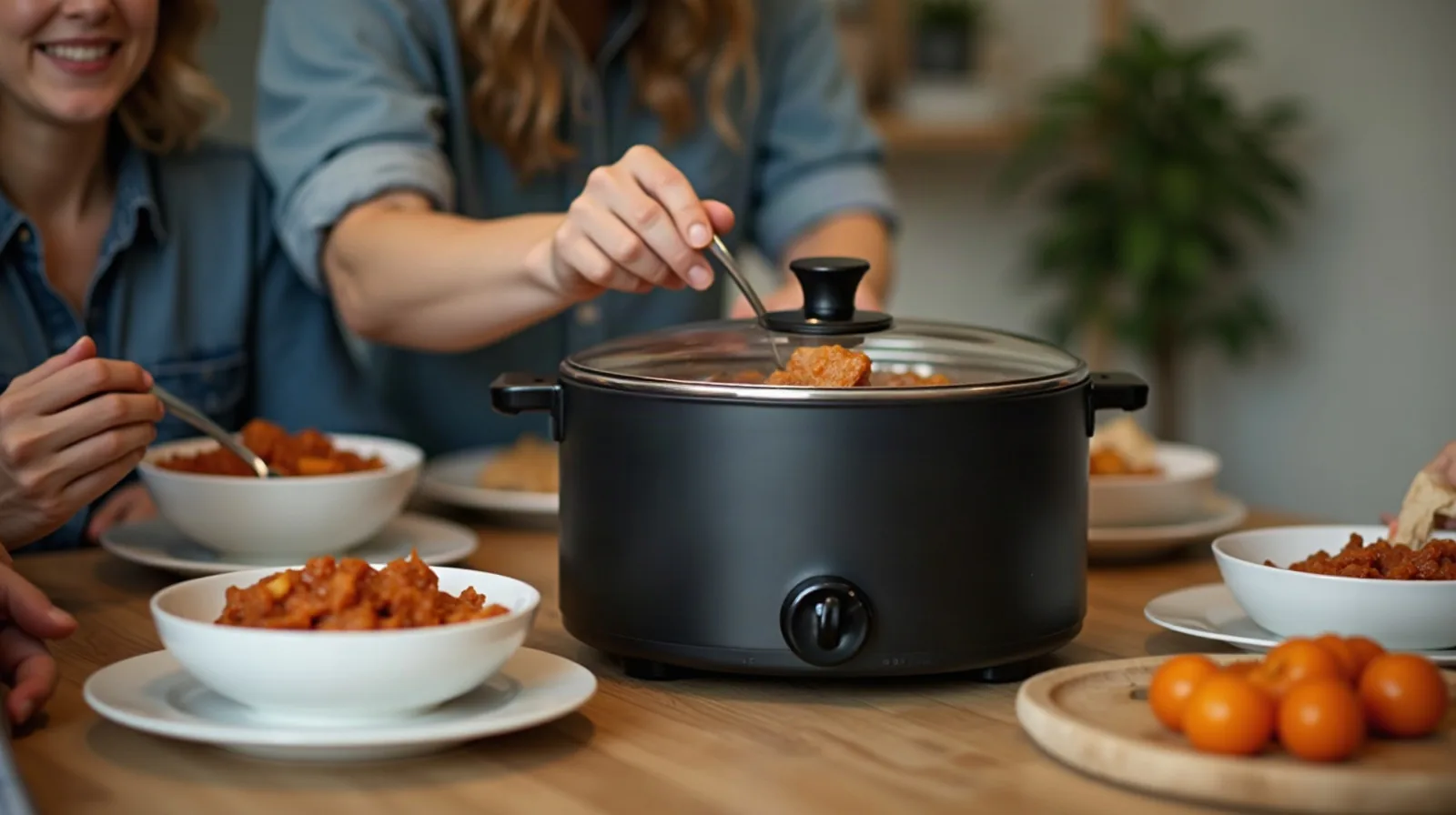
A slow cooker that turns out a bland, watery sauce, vegetables gone to mush, or meat that’s somehow both dry and stringy at the same time usually isn’t a mediocre appliance — it’s one of a handful of setup mistakes, most of which cost nothing to fix. The whole appeal of a slow cooker is that it works unattended, but that only pays off if it’s loaded and set correctly at the start, because there’s no chance to react once the lid goes on. Here’s what actually separates a genuinely great slow-cooker dinner from an okay one — plus the one habit that’s a real food-safety concern, not just a texture problem.
Skipping the Sear Costs You Real Flavor
A slow cooker simmers gently in moist heat, which means it never gets hot or dry enough to brown food the way a hot pan does — and that browning reaction is where a lot of a dish’s deep, savory flavor actually comes from. Dumping raw meat and aromatics straight into the crock skips that step entirely, which is part of why a stew made this way can taste strangely flat even with plenty of seasoning. A quick sear on meat in a hot skillet, and a few minutes softening onions and garlic before they go in, builds a caramelized layer that carries through the whole cook. It’s an extra ten minutes and one more pan to wash, but for a stew, chili, or pot roast it’s the single biggest flavor upgrade available.
Overfilling — or Underfilling — Throws Off the Cook
Most manufacturers design a slow cooker to run correctly somewhere between half full and about two-thirds full, and straying far from that range causes real problems in both directions. Packed above the fill line, the lid may not seal properly and liquid can bubble up and over during cooking, while the extra mass of food also means heat has to work through more material than the recipe assumed, leaving some of it undercooked by the stated time. Left well under half full, the same appliance runs comparatively hotter and faster than expected, which can scorch food at the edges and throw off the timing in the other direction. It’s worth matching the size of the cooker to what’s actually being made — a six-quart cooker holding a two-person portion of soup is fighting its own design the whole time.
Lifting the Lid Costs More Time Than It Seems
A slow cooker works by building up a steady, contained heat behind a sealed lid, and every peek under that lid lets real heat and steam escape. Most models take fifteen to twenty minutes to recover the temperature they lost from a single lid-lift, which means a curious check an hour into a six-hour cook can meaningfully add to the real total time, even though the clock on the counter doesn’t show it. It’s worth trusting the recipe’s stated time rather than checking in, especially during the first half of the cook, and saving any lid-lifting for near the end, when it’s actually time to check doneness.
Too Much Liquid Waters Everything Down
A sealed lid means a slow cooker doesn’t let liquid evaporate off the way a simmering pot on the stovetop or an uncovered dish in the oven does, so a recipe converted straight from either of those methods, liquid amount and all, tends to finish soupier and more diluted than intended. Meat and vegetables also release their own moisture as they cook, and with nowhere for any of it to go, that extra liquid just keeps building in the pot. The fix is to cut the liquid called for in a stovetop or oven version by roughly a third to a half before it goes into the slow cooker, trusting that what’s already there, plus what the ingredients release, will be enough. If a finished dish still turns out thin, removing the lid for the last twenty to thirty minutes on the high setting lets some steam escape, or a small cornstarch-and-water slurry stirred in near the end thickens it back up fast.
High Isn’t Just “Faster Low” — Pick the Setting for the Job
Low and high aren’t simply slow and fast versions of the same result; they’re a gentler simmer stretched over more hours versus a stronger simmer compressed into roughly half the time. For tough, connective-tissue-heavy cuts, that difference matters: the slower, more even heat of the low setting breaks down collagen more gradually, which tends to produce a more consistently tender result than pushing the same cut through on high. High setting earns its keep when time is genuinely short and works fine for many recipes, but it also gives less room for error with anything delicate, since its stronger heat can overcook a quick-cooking ingredient well before the rest of the dish is ready. When a recipe doesn’t specify, defaulting to low for anything built around a tough cut of meat is usually the safer bet.
Matching the Cut to the Method
A slow cooker is built for exactly one category of meat: tough, well-worked cuts with plenty of connective tissue, like a chuck roast, pork shoulder, chicken thighs, or brisket. Hours of low, moist heat slowly melt that connective tissue into gelatin, which is what makes those cuts fall-apart tender instead of just cooked through. Lean, delicate cuts — chicken breast, pork tenderloin, most fish — don’t have that same collagen to protect them, so the same hours of moist heat that transform a shoulder roast just steadily dry them out into something stringy or chalky. If a recipe calls for a leaner cut, it’s worth adding it later in the cook rather than at the start, or swapping in a tougher cut that’s actually suited to the method.
Dairy, Seafood, and Anything Delicate Goes In Late
Cream, milk, sour cream, and cheese can curdle or separate after hours of sustained heat, so they generally do better stirred in during the last fifteen to thirty minutes rather than added at the start with everything else. Seafood is even more time-sensitive — shrimp and fish cook through in minutes and turn rubbery well before a multi-hour cook is done, so they belong in near the very end, not the beginning. Quick-cooking vegetables like peas, spinach, and zucchini turn to mush if they go in alongside root vegetables that need the full cook time; holding them back for the last thirty to sixty minutes keeps them from disintegrating. Pasta follows the same logic and then some — it’s usually better cooked separately and stirred in at the end, since hours in liquid turns it to paste.
Frozen Meat Is a Food-Safety Risk, Not Just a Timing One
Putting meat into a slow cooker straight from frozen means it takes considerably longer to reach a safe internal temperature, and that extra time is spent passing through the range where bacteria multiply fastest. This is the one mistake on this list that isn’t really about taste or texture — general food-safety guidance is to fully thaw meat in the refrigerator before it goes into a slow cooker, rather than cooking it from frozen. If time is genuinely short, a method built to heat food through quickly, like a stovetop or a pressure cooker, is the safer choice for something still frozen. It’s also worth checking doneness with an actual food thermometer rather than trusting the clock alone — poultry needs to reach 165°F, and wattage and model differences mean two slow cookers rarely run at exactly the same real temperature even on the same setting.
None of this calls for a different appliance or a more complicated approach — just loading it with the right cut, the right amount of liquid, and the patience to leave the lid alone until it’s actually time to check. Once those habits are automatic, a slow cooker earns back all the unattended convenience it promises, without the bland or watery trade-off that usually comes with it.