
Most of the stuff cluttering a closet, garage, or junk drawer is worth something — it’s just worth different amounts in different places. List a couch on the wrong site and it sits for months. Try to sell a stack of paperbacks one at a time and the shipping costs eat the profit. The gap between “this old thing is worthless” and “this old thing just paid for dinner” usually comes down to matching what you’re selling to where it actually sells.
Match the item to the right place to sell it
Every category of used stuff has a venue where it moves fast and sells for a fair price, and a venue where it just sits. A rough map:
- Clothing and shoes. Current styles in good condition do best on a resale marketplace built specifically for apparel, where buyers are already browsing for exactly that. Fast fashion and worn-out basics rarely clear enough to bother — donate those instead.
- Electronics and gadgets. If it still works well, a trade-in program is the fastest option, even if the payout is a little lower — no listing, no buyer flaking. Anything a trade-in program won’t take (older, cracked, or missing accessories) usually does better on a marketplace built for secondhand electronics, where buyers expect “good, not perfect.”
- Furniture and anything bulky. Nobody wants to ship a dresser. A local pickup marketplace, where the buyer comes to you, is the only venue that makes sense — price it to move, since storage space is worth more than a few extra dollars of haggling.
- Kids’ gear and toys. Kids outgrow things so fast that used items are often barely worn, which keeps demand high. A local marketplace or a seasonal consignment sale both work well; consignment does the pricing and haggling for you in exchange for a cut.
- Books, games, and movies. Individually, these are rarely worth shipping one at a time. A media buyback service or a used bookstore’s trade-in counter pays less per item but clears a whole shelf in one trip — often the better math once you count your own time.
- Tools, appliances, and household odds and ends. A local marketplace is usually the best price; a pawn shop is the fastest cash if you need the money today and are willing to take less for the convenience.
A few habits that actually get you more money
- Clean it and photograph it in real light. A quick wipe-down and a few photos taken near a window, from several angles, including any flaws up close, consistently outsell a single dim, cluttered shot — listings that look cared for get treated as more trustworthy.
- Price to what similar items actually sold for, not what other people are currently asking. Search for the same or a similar item marked sold or completed, and price close to that — an ambitious asking price just means weeks of no responses.
- Be upfront about condition. Mention the scuff, the missing piece, or the stain in the listing itself. It scares off fewer buyers than you’d think, and it heads off the back-and-forth and last-minute price drops that kill a sale in person.
- Time it to the season. Winter coats sell better in October than July; patio furniture sells better in spring than fall. Listing a few weeks ahead of peak demand, rather than when you finally get around to it, makes a real difference.
Selling locally, safely
In-person sales are where most of the risk lives, and a few habits close almost all of it:
- Meet in public, in daylight. A busy parking lot, not your driveway or theirs. Plenty of local police stations now designate a monitored spot out front for exactly this kind of exchange — worth checking for, especially for anything valuable.
- Bring someone with you for higher-value items, or at least let someone know where you’re going and when you expect to be back.
- Get paid before you hand anything over — cash, or a payment you can confirm has actually landed in your account on the spot. Never accept a check, and never click a link someone sends you to “complete the payment.”
- Trust the uneasy feeling. A buyer who wants to change the meeting spot at the last minute, or overpays and asks for the difference back, is a scam pattern — cancel and move on.

When it’s not worth selling
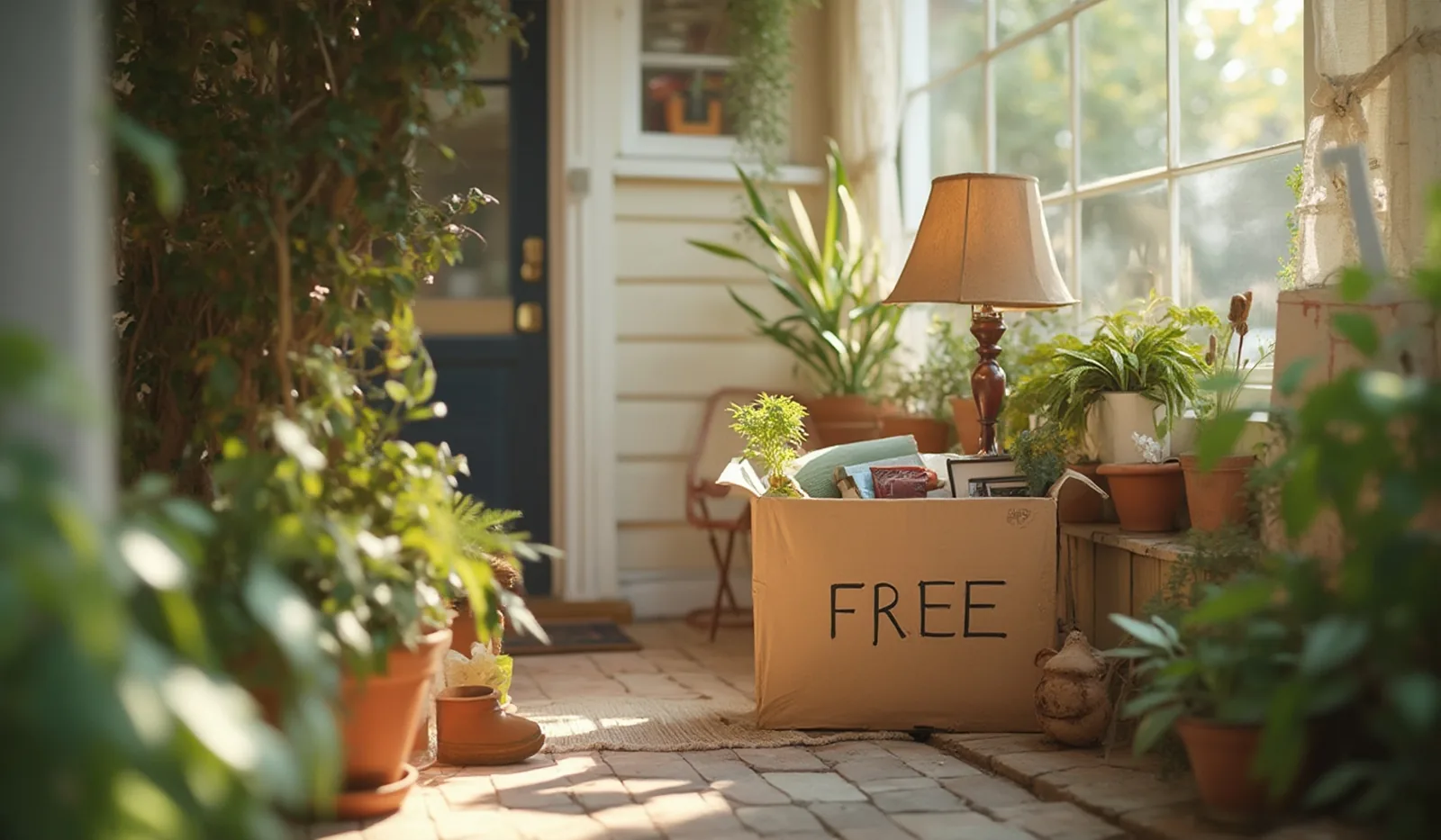
Not everything clears the bar. If an item would sell for a few dollars, factor in the time it takes to photograph it, write the listing, answer messages, and meet up — that math rarely wins for low-value stuff. Below a certain price point, giving it away through a neighborhood giving group or dropping it at a donation bin gets it out of your space just as effectively, without the effort of chasing a sale that was never going to pay much anyway. Save the listing effort for the items actually worth the time: anything with real resale demand, in decent shape, that fits one of the categories above.
None of this requires becoming a full-time reseller. The next time something you no longer use is sitting in a closet or garage, run it through this quickly: what category is it, where does that category actually sell, and is the likely price worth the listing time? Most of the time, the answer is yes — and the item that’s been quietly taking up space turns into cash instead.