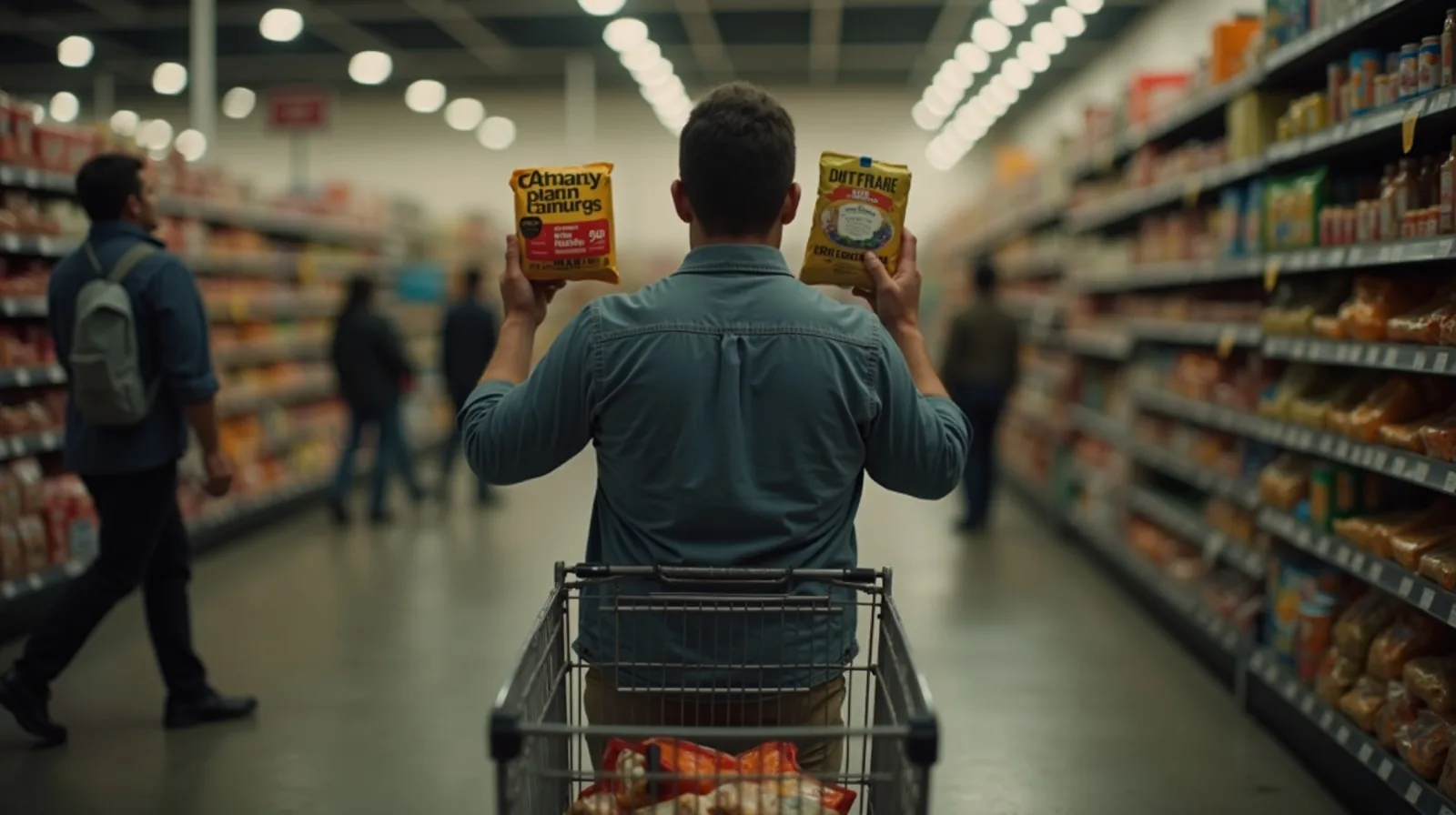
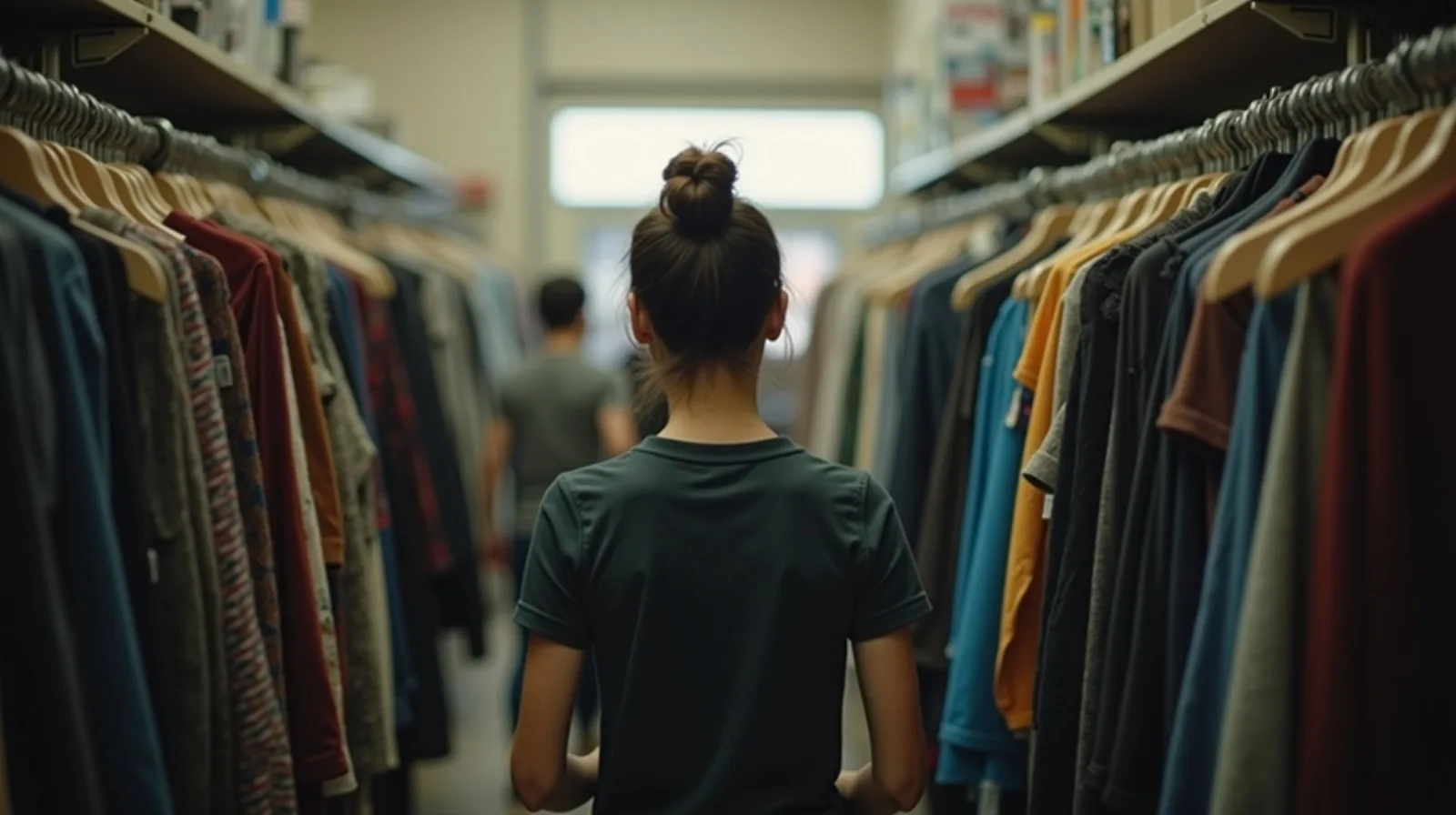
For most of us, buying new is the automatic setting. Need a bookshelf, a coffee table, a tool, a jacket? We open a shopping app and buy it new without a second thought. But that reflex is quietly expensive, because a huge range of things can be bought secondhand for a fraction of the price — often in excellent, barely-used condition. Flipping your default to “check secondhand first” for the right categories is one of the highest-return money habits there is, and it barely changes your life.
Why secondhand is such a good deal
New things lose a big chunk of their value the moment they're bought and taken home, even when they're still essentially new. That means someone else has already absorbed that steep first drop, and you can buy the same item — sometimes lightly used, sometimes never really used at all — for far less. For plenty of goods, “used” means “someone opened it, and now it's half price.” You're paying for the thing, not for the privilege of being the first owner.
What to buy secondhand
Some categories are almost always smart to buy used:
- Furniture. Solid wood pieces in particular are often built better than cheap new ones and cost a fraction — a little cleaning or a coat of paint and they're as good as new.
- Tools and equipment. Quality tools are built to last for decades, so a used one usually has plenty of life left at a big discount.
- Kids' gear, toys, and clothes. Children outgrow everything so fast that used items are frequently nearly new — a category where buying new is especially wasteful.
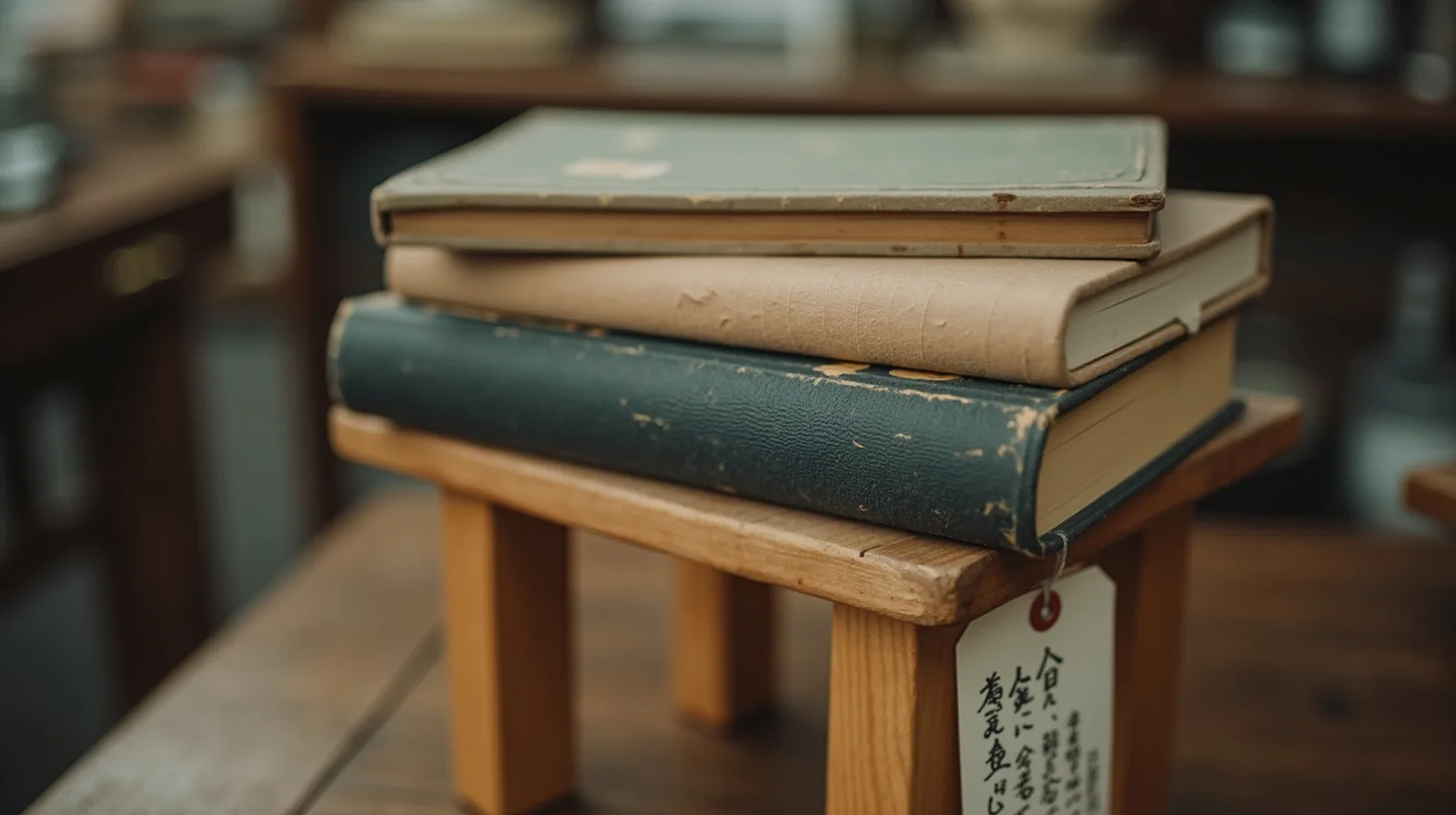
- Books, games, and media. A used book reads exactly like a new one for a fraction of the price.
- Sporting and hobby goods. Gear bought with enthusiasm and barely used floods the secondhand market at steep discounts.
What to be careful with (or buy new)
Secondhand isn't the right call for everything. Use judgment on:
- Safety items where wear or age matters and history is unknown — here, new (or a very trusted source) is worth it.
- Mattresses and heavily-used soft goods, for hygiene and wear reasons.
- Anything you can't inspect or test when it's a complex item — if you can't check that it works, factor in the risk.
The rule of thumb: buy used freely where condition is easy to judge and safety isn't a factor, and lean new where you can't verify what you're getting.
How to shop secondhand well
- Inspect before you buy. Check for damage, test that it works, and make sure all the parts are there — a cheap price isn't a deal if the thing is broken.
- Know the new price so you can tell a real bargain from a hopeful seller; “used” isn't automatically cheap.
- Be patient and specific. Set alerts for what you actually need and let the right item come to you, rather than impulse-buying because it's secondhand.
- Clean it up. A wipe-down, a wash, or a minor fix transforms most used items — that small effort is where the savings come from.
You don't have to buy everything used or give up new things you truly want. Just change the default: for furniture, tools, kids' stuff, books, and gear, take a look at the secondhand options before you reflexively buy new. Do that consistently and you'll be amazed how much you keep — often for quality that's every bit as good.