In neighborhoods everywhere, small online groups have quietly become a parallel economy where nothing is bought or sold — only given, requested, and picked up from a porch. The idea is simple: post what you no longer need, ask for what you do, and keep it all local and free. It runs almost entirely on trust and proximity, which is exactly why it works better than a general marketplace — everyone involved lives close enough that a good exchange today is likely to lead to another one down the road.
How the groups actually work
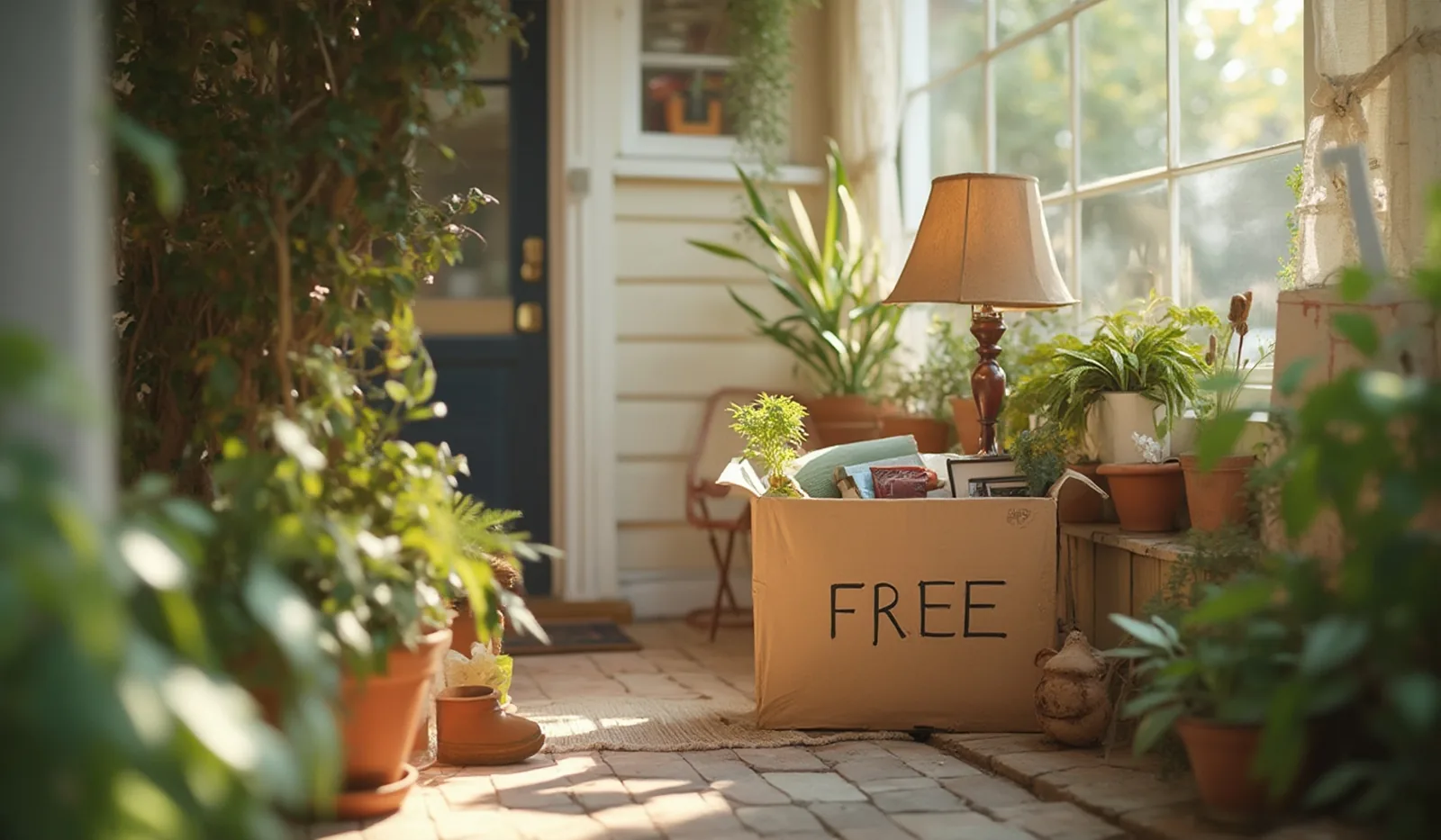
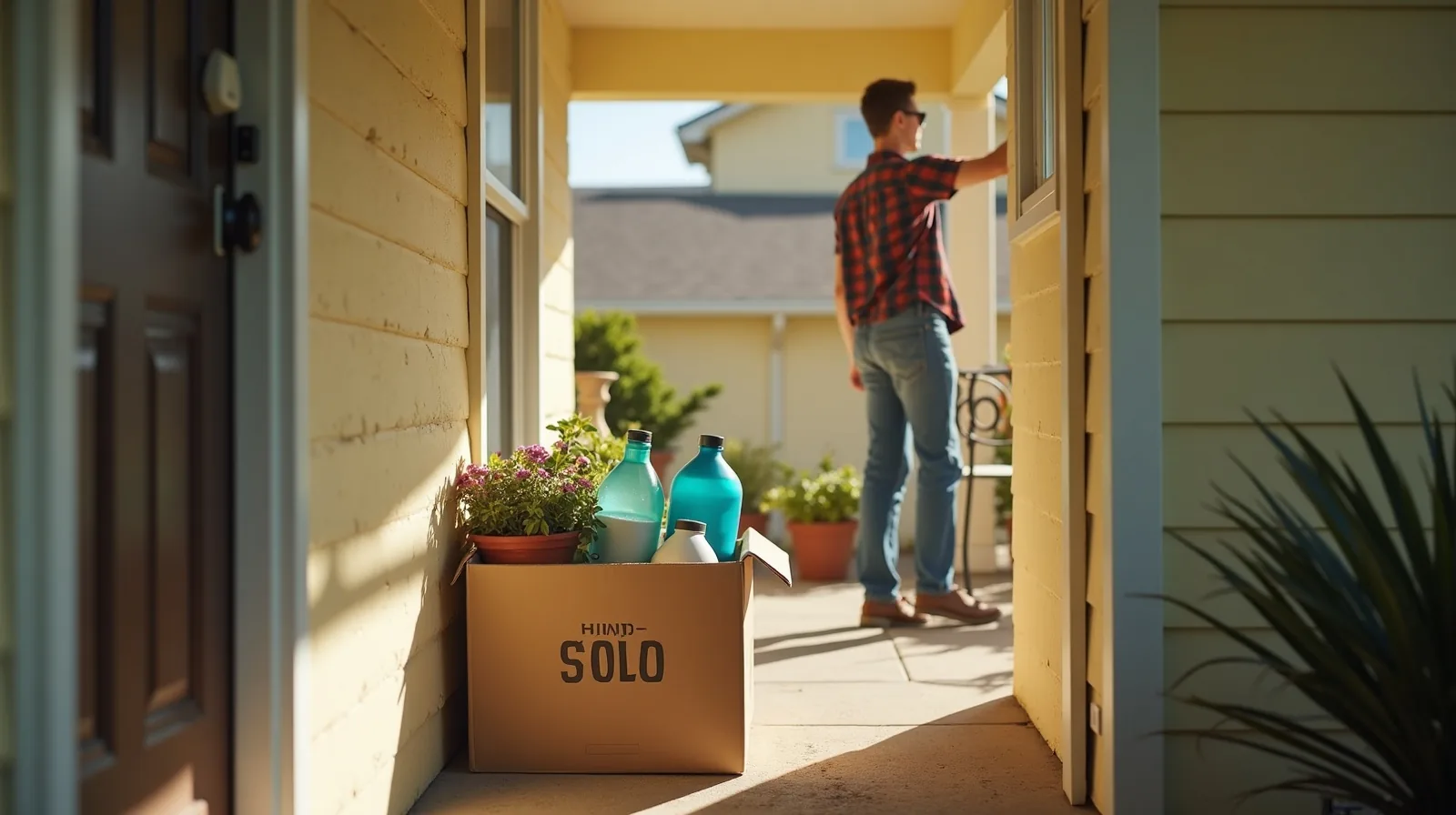
Membership is usually tied to a specific neighborhood or small radius, which is the whole point — it keeps pickups a short walk or drive away and keeps the group feeling like actual neighbors rather than strangers online. Two kinds of posts make up almost everything: a give post, where someone offers an item with a photo and a short description, and an ask post, where someone requests something they need, from a specific tool to something vague like “anything for a toddler’s room.” No money changes hands in either direction — it’s a strict rule of the format, not a suggestion. When someone claims a give post, the two of you arrange a pickup, often left on a porch or handed off briefly, without needing to coordinate much beyond a time.
What people actually share
The range is wider than most people expect once they start paying attention to a local group. Furniture that’s solid but doesn’t fit a new layout, outgrown kids’ clothes and gear, half-used craft supplies, moving boxes, garden plants and cuttings, extra produce from a garden, and tools that only get used once a year are all common. Larger, useful items move fast — a crib, a bookshelf, a lawnmower — but so do small, oddly specific things that would otherwise get thrown out, like a single curtain rod or a box of mason jars. The unifying theme is usefulness to somebody, not value in general. Even things that feel too small or too specific to bother posting — a partial roll of wrapping paper, a single mismatched chair, a stack of takeout containers — often find a taker quickly, since someone nearby is usually looking for exactly that.
- Furniture and household goods. Items too good to toss but not worth reselling for a small amount.
- Kids’ gear. Clothes, toys, and equipment outgrown quickly and needed constantly by someone else.
- Garden and food overflow. Extra produce, plant cuttings, and seedlings that would otherwise go to waste.
The etiquette that keeps it running
These groups work because members follow a few informal norms, even though nobody enforces them formally. Being gracious about what you receive matters — it’s a gift, not a transaction, so showing up on time and saying thank you go a long way toward keeping the group friendly. Following through matters just as much: if you claim an item, follow through on picking it up, or let the giver know promptly if your plans change, rather than leaving them waiting. Keeping requests reasonable and specific helps too — a focused ask is easier for a neighbor to fulfill than a vague one. And keeping the group local, rather than treating it as a place to offload things in bulk for resale elsewhere, is what keeps the spirit of the thing intact. When more than one person wants the same item, a simple first-come or randomly chosen approach, decided openly, avoids the awkwardness that can creep in when a popular item draws several requests at once.
The upside, and how to start or find one
The money saved is real but almost secondary to the waste avoided — usable items that would otherwise sit in a garage and eventually go to a landfill instead go straight to someone who actually needs them, at no cost to either side. Finding a local group usually just takes a search for your neighborhood name plus common group names, or asking neighbors directly whether one already exists nearby. If nothing turns up, starting one is straightforward: a small group with a clear local boundary and the same simple give-and-ask format is enough to get going, and it tends to grow through word of mouth once a few good exchanges happen.