Outdoor furniture rarely fails all at once. A resin chair doesn’t crack on a single hot afternoon, and a cushion doesn’t mildew overnight — both happen slowly, from months of sun, rain, and temperature swings that furniture kept indoors never has to survive. The good news is that almost none of it is inevitable. Different materials break down in different, predictable ways, and a short routine matched to each one — plus a little care at the end of the season — is most of what separates a patio set that looks tired after two summers from one that’s still solid after ten.
Why Outdoor Furniture Wears Out Faster Than It Should
Three forces do almost all the damage. Ultraviolet light breaks down the surface of plastics and fades and weakens fabric fibers over time, which is why an old resin chair often looks dusty and chalky rather than just dirty. Moisture is the second, and it’s sneakier than rain alone — water that gets trapped under a cushion, inside a tightly wrapped tarp, or between a chair leg and wet concrete doesn’t evaporate the way it would in the open, and that trapped dampness is exactly where mildew and rust get started. The third is temperature swings: freeze-thaw cycles stress wood joints and hairline-crack finishes, and repeated heating and cooling loosens screws and fittings a little more each season. None of these are things a furniture set can defend itself against. What actually prevents the wear is a routine — and the reason most patio furniture doesn’t get one is simply that it’s outside, so it’s easy to treat it as separate from the rest of the house’s upkeep and never look at closely.
Fabric Cushions and Covers
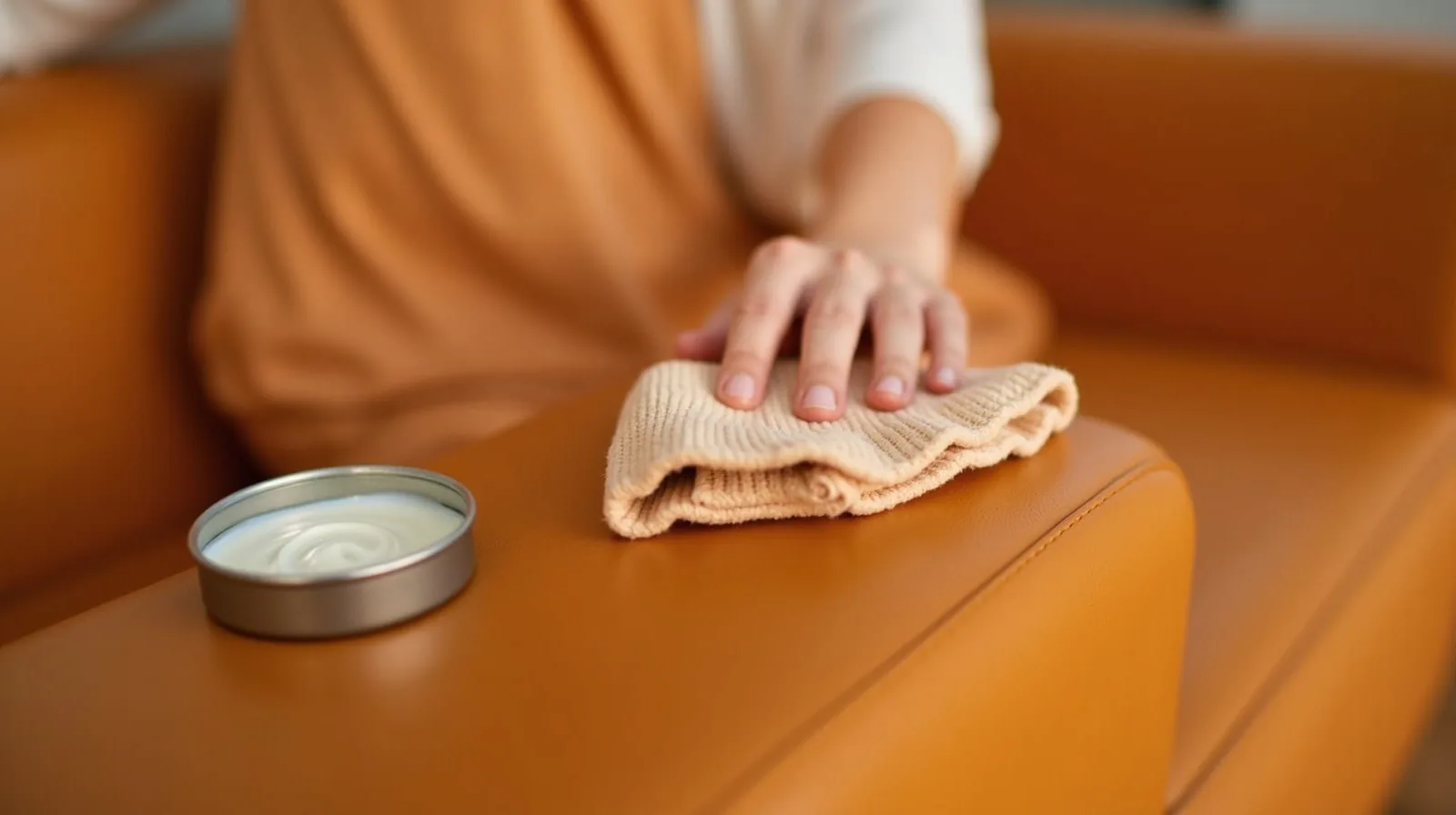
Start with the cushion cover off if it’s removable, and scrub both sides with a soft brush dipped in a mix of mild dish soap and water, working in sections rather than soaking the whole thing at once. Rinse thoroughly — leftover soap attracts dirt just as fast as no soap at all — and let it air-dry fully in the sun rather than in a dryer; sunlight also has a mild disinfecting and lightening effect on the fabric, which helps with faint mildew spotting on its own. For mildew that’s already visible, a solution of diluted white vinegar or a mild oxygen-based stain remover, worked in with a stiff brush and left to sit for a few minutes before rinsing, lifts most of it without the fiber damage a straight bleach solution can cause over repeated use. The habit that prevents most of this in the first place is simple: never store fabric cushions while they’re still damp, and reapply a fabric protector spray once a season if the material has stopped beading water the way it did when new.
Metal Frames: Aluminum and Wrought Iron
Aluminum frames won’t rust, but they do develop a dull, chalky white oxidation over time. A wash with mild soap and water handles routine grime; for the oxidation itself, a paste of baking soda and a little water worked in with a soft cloth, followed by a light coat of car wax once or twice a season, restores the shine and gives the finish a protective layer against the next round. Wrought iron and steel frames are the ones that actually need watching for rust, which almost always starts where the paint has chipped and bare metal is exposed. Wipe them down regularly, and at the first sign of a rust spot, sand it back to bare metal, wipe away the dust, and touch it up with a rust-inhibiting paint made for outdoor metal before it has a chance to spread under the surrounding finish. Either metal does better dry than wet, so avoid letting water pool in a seat groove or a hollow armrest after rain.
Wicker, Rattan, and Resin Wicker
Natural wicker — rattan, willow, cane — can dry out and crack under prolonged sun and heat, so an occasional light misting with plain water helps keep the fibers pliable, and it genuinely does better under a roof or brought inside during heavy or prolonged rain than furniture built for full sun exposure. Dust it regularly with a soft brush or a vacuum’s brush attachment to get into the weave before dirt packs in, and wipe with a barely damp cloth rather than a wet one. Synthetic resin wicker handles weather far better and is the more common choice on new furniture for exactly that reason: soap and water with a soft brush worked into the crevices covers most cleaning, but skip a pressure washer held up close, since the force can drive water past the weave and into the frame underneath where it won’t dry out on its own.
Wood: Teak, Cedar, and Eucalyptus
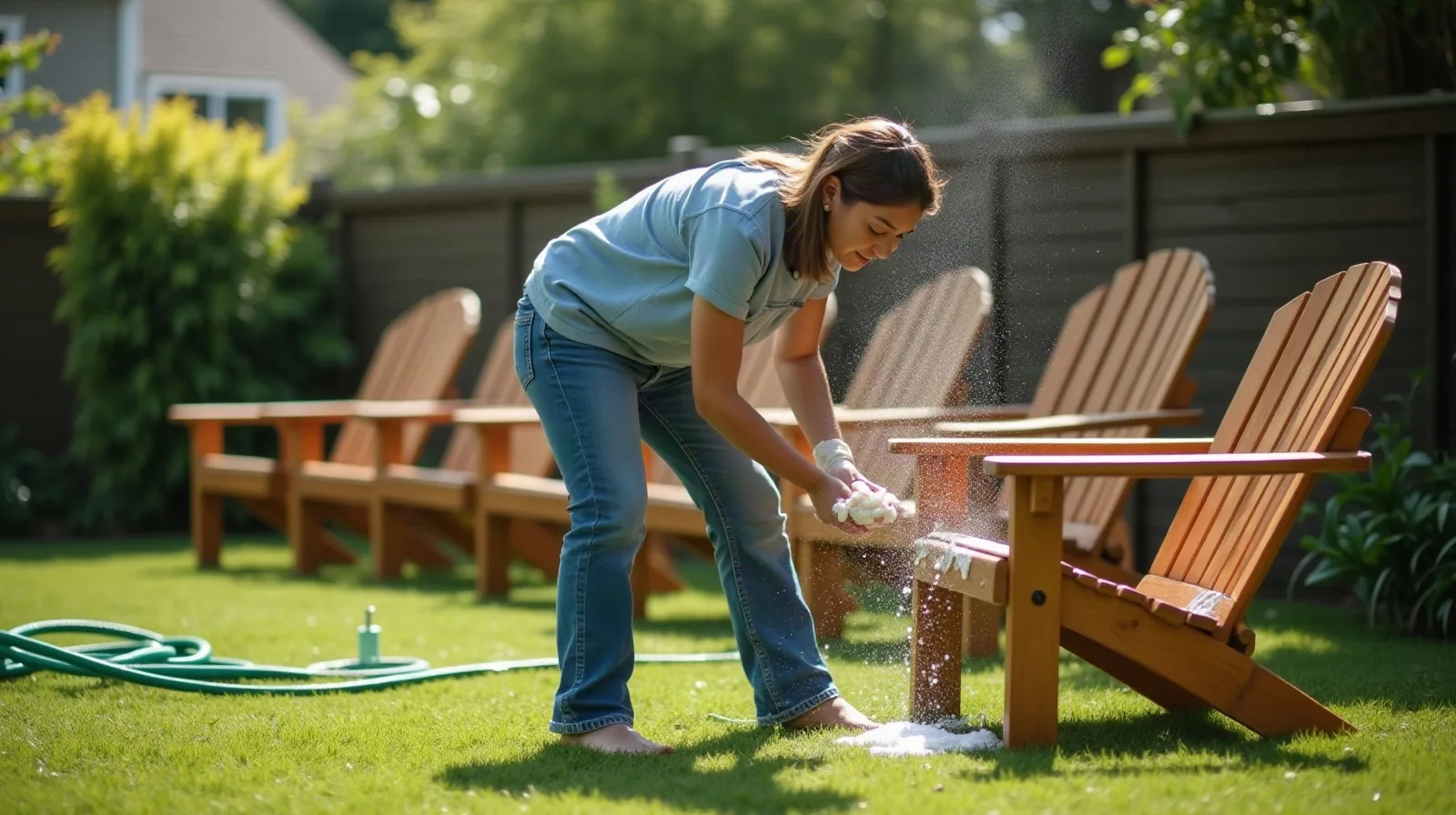
These woods are naturally weather-resistant, which is exactly why they end up on outdoor furniture in the first place. Left uncoated, they weather to a silvery-gray patina over a year or two — that’s a cosmetic change, not damage, and plenty of owners prefer the look. To keep the original honey tone instead, a light sanding with fine-grit paper once a year followed by a teak oil or UV-protective sealant maintains the color. Either way it wants an occasional wash with mild soap and a soft brush, always worked with the grain rather than across it, followed by a full rinse and a complete dry before it’s used again. Check the hardware once a season too — wood expands and contracts with weather far more than metal or resin, and that movement is what works screws and bolts loose over time.
Plastic and Resin
This is the least fussy material on a patio: mild soap and water wipes away most everyday dirt without any special product. The one thing worth watching for is chalking — a dusty white film that forms on the surface as UV exposure slowly breaks the plastic down. A rinse with a diluted vinegar solution, or a dedicated plastic and vinyl restorer applied a couple of times a season, slows the chalking and brings back some of the original color. Deep scuffs and light staining are mostly cosmetic on molded plastic and resin, since the color usually runs through the material rather than sitting on top of it as a coating.
The End-of-Season Routine That Actually Prevents Damage
Most outdoor furniture damage doesn’t happen during the season at all — it happens over the months the furniture sits unused. Clean everything before it goes into storage, since dirt and pollen left on all winter etches into finishes and holds moisture against the surface. Make sure every piece is completely dry before it gets covered, because covering damp furniture is exactly how mildew and rust get a head start where nobody’s checking on them. Cushions and any fabric pieces do best stored somewhere indoors — a closet, a garage shelf, or a dedicated deck storage box — rather than left under a tarp outside where condensation collects underneath. For furniture that’s staying outdoors year-round, a breathable, fitted furniture cover beats a plain plastic tarp, since trapped condensation under an airtight cover can do more damage over a winter than no cover at all. And where it’s practical, small risers or furniture coasters under metal legs keep them off concrete or damp ground and out of standing water and ice.
None of this requires specialty products or more than an afternoon a season — a bucket of soapy water, a soft brush, and knowing which material you’re actually dealing with covers nearly everything above. The payoff is a patio set that’s still worth sitting on well past the point most people quietly give up on theirs and start pricing a replacement.