Walk into some homes and they just look easy — the counters seem to wipe clean in one swipe, the rug doesn’t show the dog’s paw prints, the couch looks fine an hour after snack time. Walk into others and the exact same amount of daily use turns into visible mess almost instantly. The difference usually isn’t tidiness discipline or how often someone cleans. It’s a handful of upfront choices about materials, color, and layout that either work with how a home actually gets used, or fight against it every single day.
The Real Reason Some Homes Feel Easier to Keep Clean
Every surface and object in a home carries what amounts to a maintenance load — how much attention it demands before it looks presentable again. A glossy countertop shows every water spot and fingerprint within minutes; a matte one in a mid-tone color barely shows either. A solid pale sofa flags every spill instantly; a small-patterned fabric absorbs the same spill into visual noise. None of this is about being houseproud or letting standards slip — it’s about choosing defaults that don’t need constant defending. The good news is that most of these choices are one-time decisions. Get them right once, in the rooms that see the most traffic, and the daily upkeep drops noticeably without changing a single habit.
Flooring and Rugs That Hide the Daily Wear
Flooring absorbs more daily abuse than almost anything else in a home, and a few choices make an outsized difference in how much of that abuse actually shows.
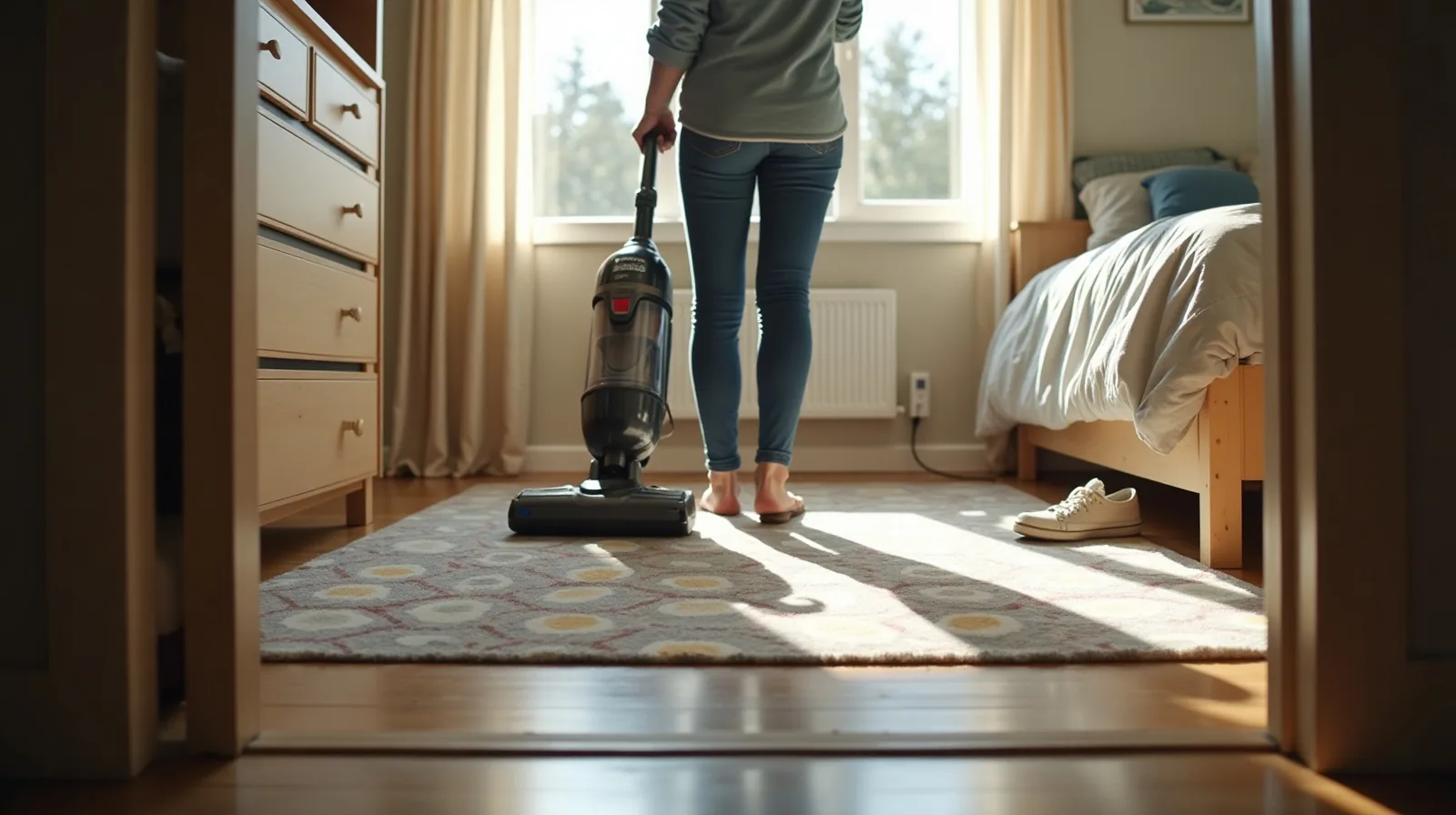
- Pattern over solid, especially in high-traffic rugs. A busy, textured pattern camouflages crumbs, pet hair, and foot traffic that a solid-color rug broadcasts immediately. Save the solid, pale rug for a room that barely gets used.
- Low pile beats plush in main pathways. A low, tight weave releases dirt back out when vacuumed instead of trapping it deep in long fibers, and it doesn’t hold visible footprints or vacuum lines the way plush pile does.
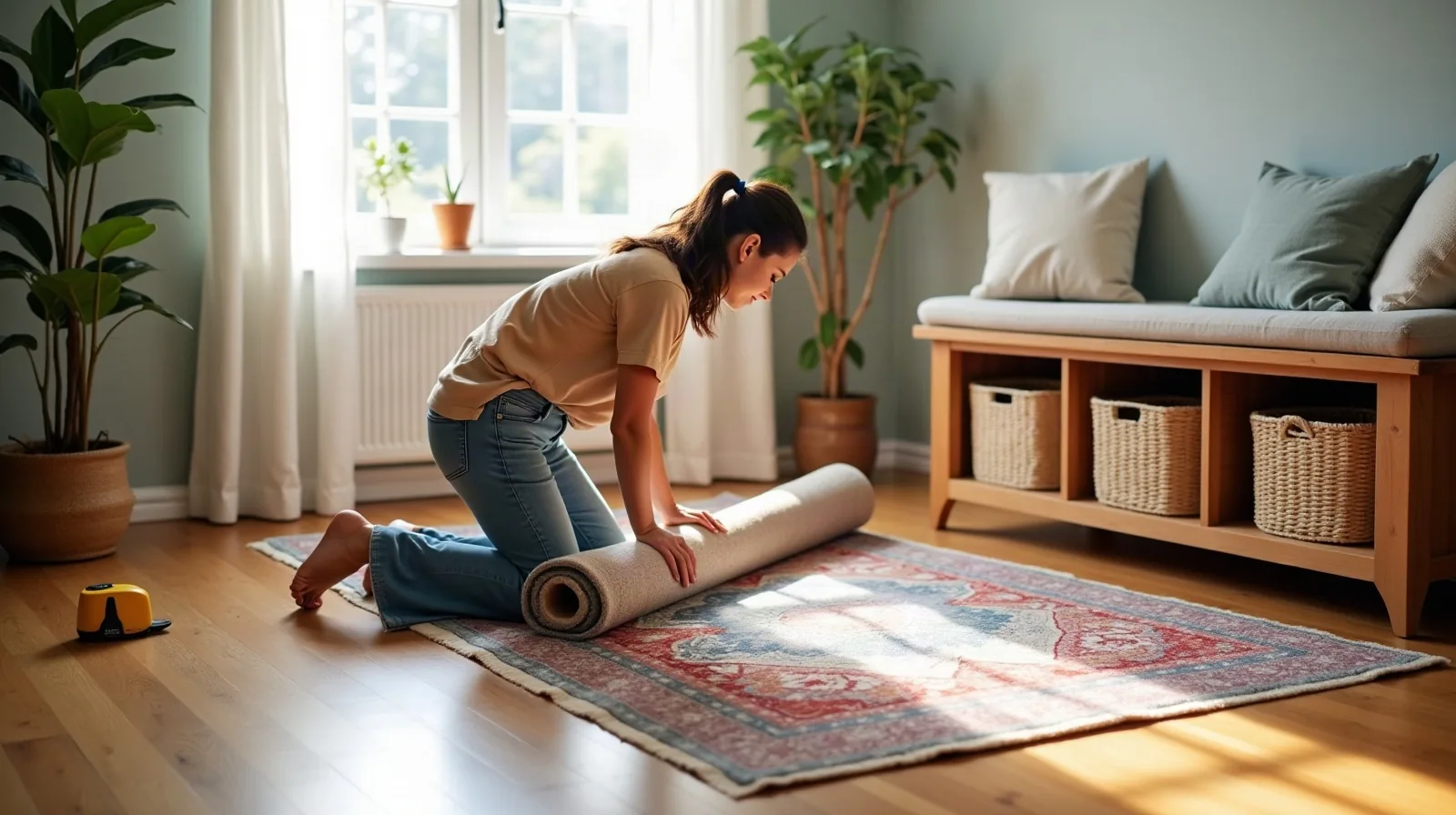
- Washable is worth paying for near entries and eating areas. A rug that can actually go in the machine turns a stain from a project into a five-minute chore.
- Grout color follows the same logic as rugs. Bright white grout in a kitchen or bathroom shows every bit of grime within weeks; a mid-tone gray hides the same grime for months, with zero extra cleaning required.
Furniture and Fabric Choices That Forgive Life
Furniture is where the maintenance-load idea pays off the most, because a couch or dining chair gets touched constantly, and reupholstering isn’t a weekend fix if the choice turns out wrong.
- Small patterns and mid-tones over solid pale colors. A tight, small-scale pattern in a mid-range shade hides the everyday marks — a coffee ring, a smudge, a bit of pet fur — that a solid cream or white sofa announces to every guest.
- Tightly woven, spill-resistant fabrics over loose, plush weaves. Fabrics built to resist spills and stains wipe clean instead of soaking a mark in permanently, and they matter most on anything near food or kids.
- Washable slipcovers as insurance. A slipcovered sofa or dining chair cushion turns a permanent-looking stain into a load of laundry, which matters enormously in a house with kids or pets.
- Closed storage over open shelving in busy rooms. Open shelving looks great in photos and collects a visible layer of dust and clutter in real life; the same items behind a cabinet door stay just as accessible without needing to look tidy on display.
Countertops, Fixtures, and Finishes
Kitchens and bathrooms concentrate more cleaning than any other rooms in the house, which makes their finishes worth the closest scrutiny.
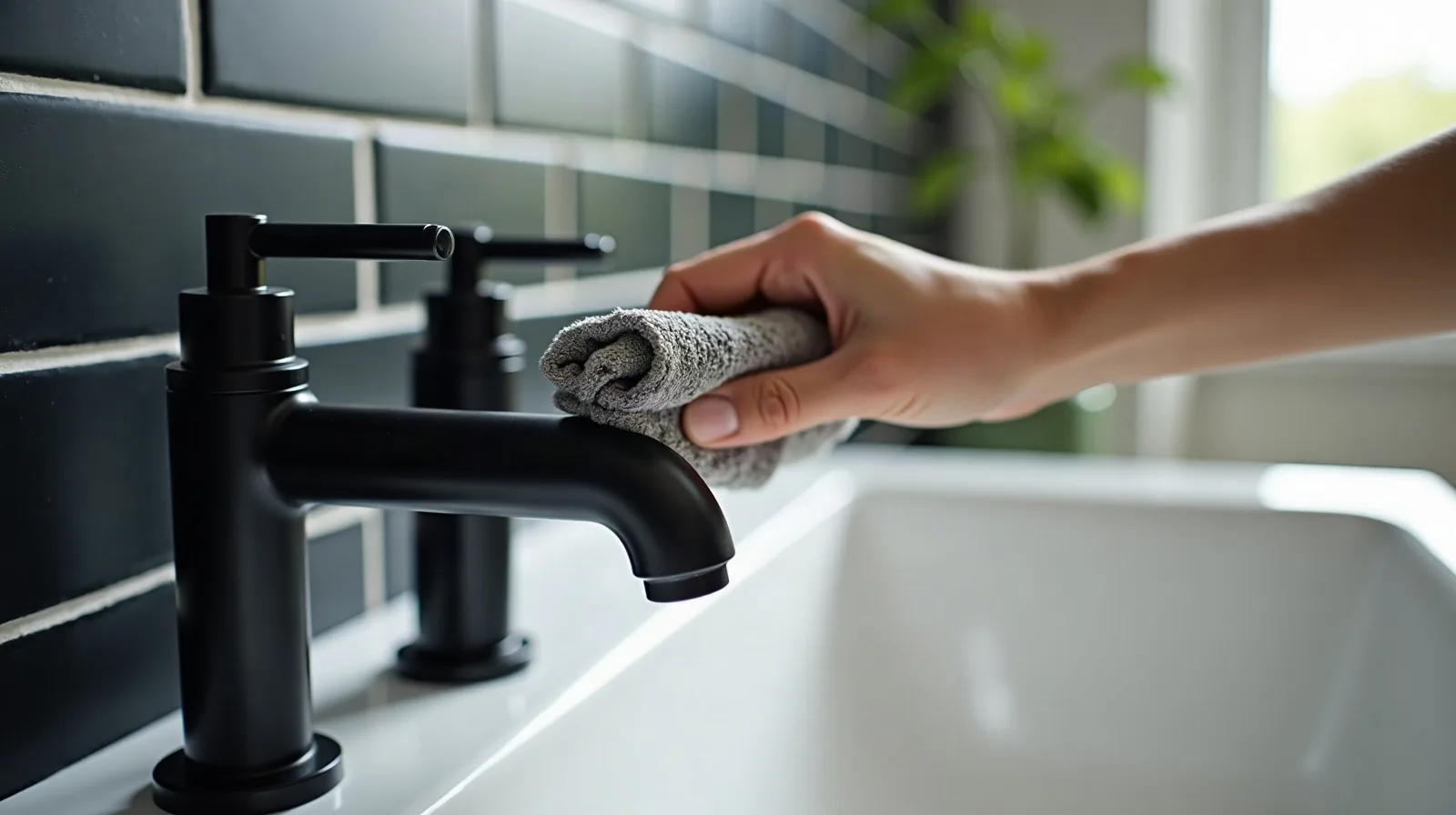
- Honed or matte over polished and glossy. A glossy countertop or a high-shine faucet finish shows water spots, fingerprints, and streaks the instant light hits it at an angle; a honed stone or matte metal finish diffuses that same light and hides the same marks.
- Dark or mid-tone fixtures over bright chrome or stark white on the spots that get touched constantly — faucet handles, cabinet pulls, light switches. Fingerprints and hard-water spots read far less on a darker or brushed finish.
- Undermount sinks over top-mount. Without a raised lip to trap crumbs and grime, wiping counters into the sink becomes one motion instead of a scrub-around-the-edge chore.
- Fewer, larger grout lines. A large-format tile with fewer seams simply has less grout to maintain than the same square footage in small mosaic tile.
Small Layout Habits That Do a Lot of the Work
Beyond materials, a few layout decisions quietly prevent mess before it ever starts.
- A doormat — or two — at every entrance that actually gets used, not just the front door. A mat that traps grit at the threshold keeps that grit from ever reaching the rest of the floor.
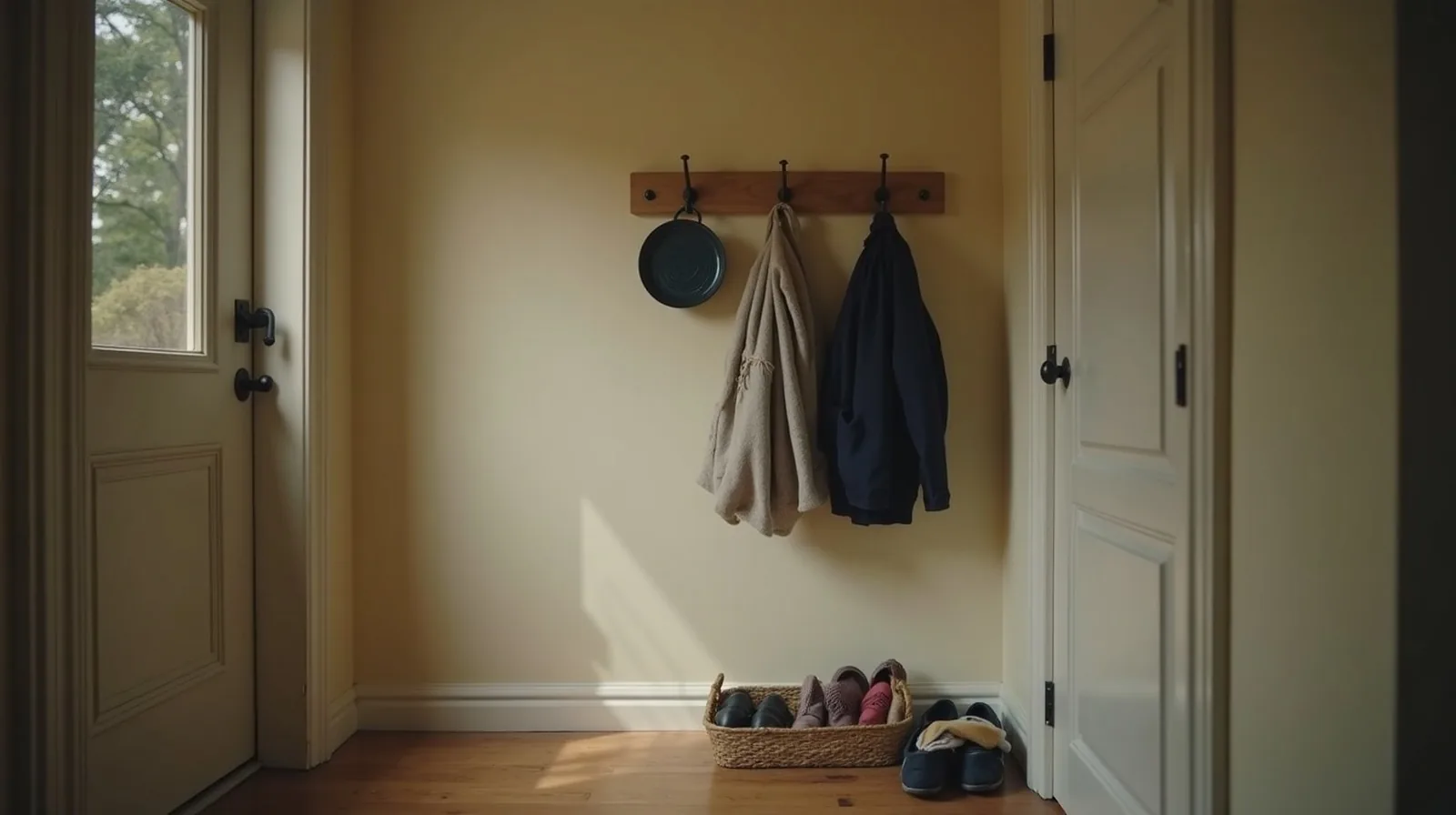
- A landing zone right inside the busiest entry, for keys, bags, and shoes, so those items have a designated spot instead of colonizing the nearest table or counter.
- Fewer surfaces left empty and “displayable.” Any flat, open surface — a console table, a kitchen counter, a bathroom vanity — invisibly invites items to pile up on it. Keeping fewer of those surfaces bare and available reduces how much clutter has anywhere to land.
- A no-shoes-past-the-entry habit, if it fits the household. It’s one of the highest-leverage habits for keeping floors clean throughout the rest of the home, and it costs nothing to put in place.
What to Do If You’re Renting or Can’t Change the Big Stuff
None of this requires ripping out countertops or replacing every rug at once, and most of it is genuinely renter-friendly.
- Layer a patterned, washable rug over flooring that can’t be changed.
- Add a slipcover to a sofa or dining chairs already owned instead of reupholstering.
- Swap cabinet and faucet hardware, which is inexpensive and fully reversible when it’s time to move.
- Start with the one or two rooms that see the most daily traffic — usually the kitchen and the main living area — rather than trying to overhaul the whole home at once. That’s where the maintenance-load payoff is biggest anyway.