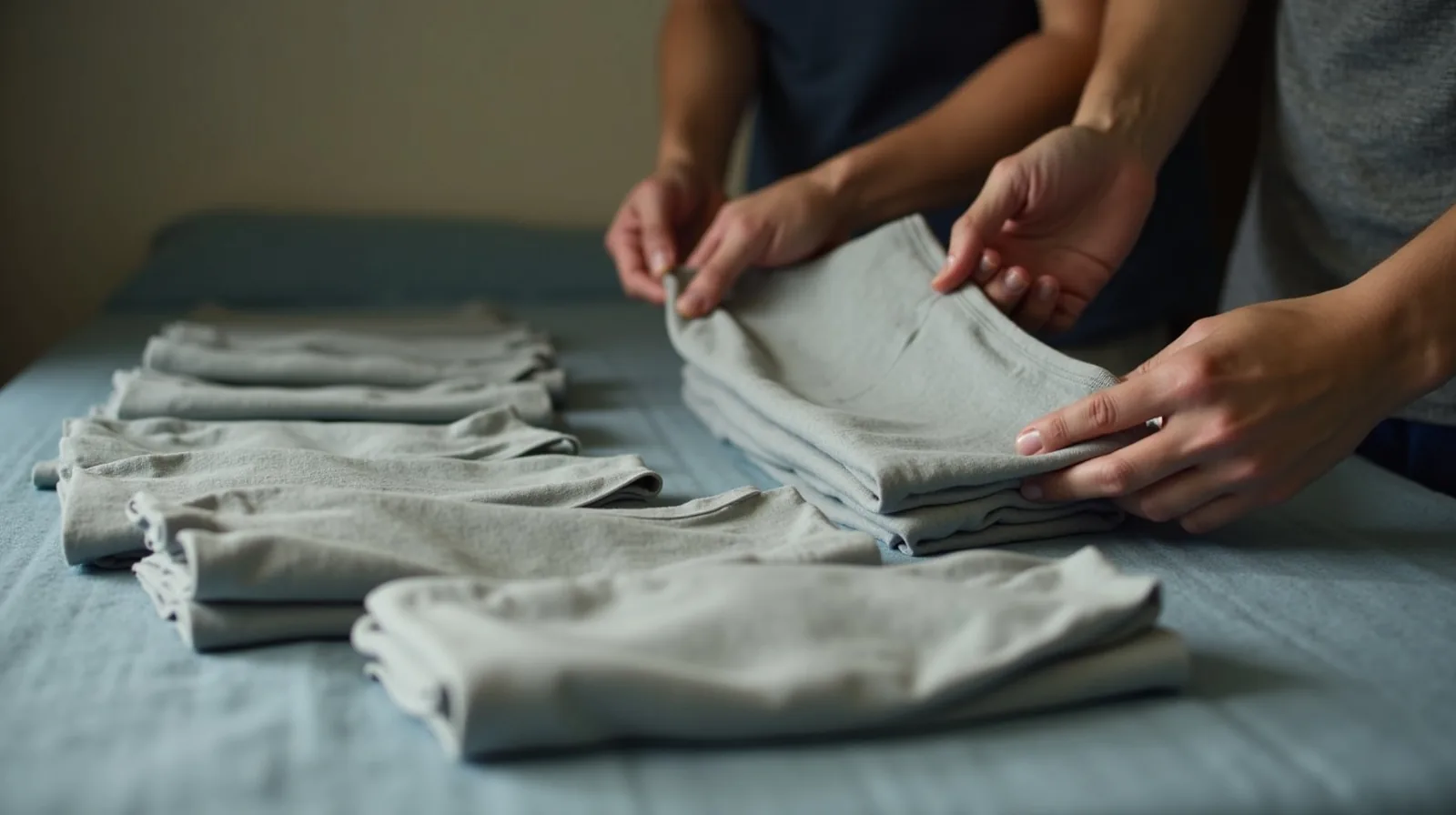
You spend a weekend decluttering, and for a glorious month the house feels light and open. Then, slowly, it fills back up — and within a season you're back where you started, wondering why decluttering never sticks. Here's the reason: decluttering only addresses the stuff that's already there. It does nothing about the stuff still flowing in. If intake outpaces outflow, any tidy space refills itself. The solution is a “clutter ceiling” — a rule that caps how much comes in — and the simplest one is one-in-one-out.
Why tidying alone never lasts
Think of your home like a bathtub: decluttering bails water out, but if the tap is still running, the tub fills again. New clothes, gadgets, kids' toys, free swag, impulse buys, and hand-me-downs pour in continuously, while things leave only during rare declutter sessions. As long as more comes in than goes out, the clutter is guaranteed to return — no amount of organizing can outrun a running tap. Clutter ceilings turn the tap down.
The one-in-one-out rule
The rule is exactly what it sounds like: every time something new comes into a category, something old in that category leaves. Buy a new shirt, and an old shirt goes to donation. A new toy comes in, an unused toy goes out. A new mug, out with a chipped one. This keeps the total quantity flat forever — your space literally cannot accumulate more than it holds today. It also adds a small, healthy friction to acquiring: when a purchase means parting with something you own, you buy a little more deliberately. For a stricter version during a big reset, try one-in-two-out until you reach a level you like.
Container limits: let the space set the ceiling
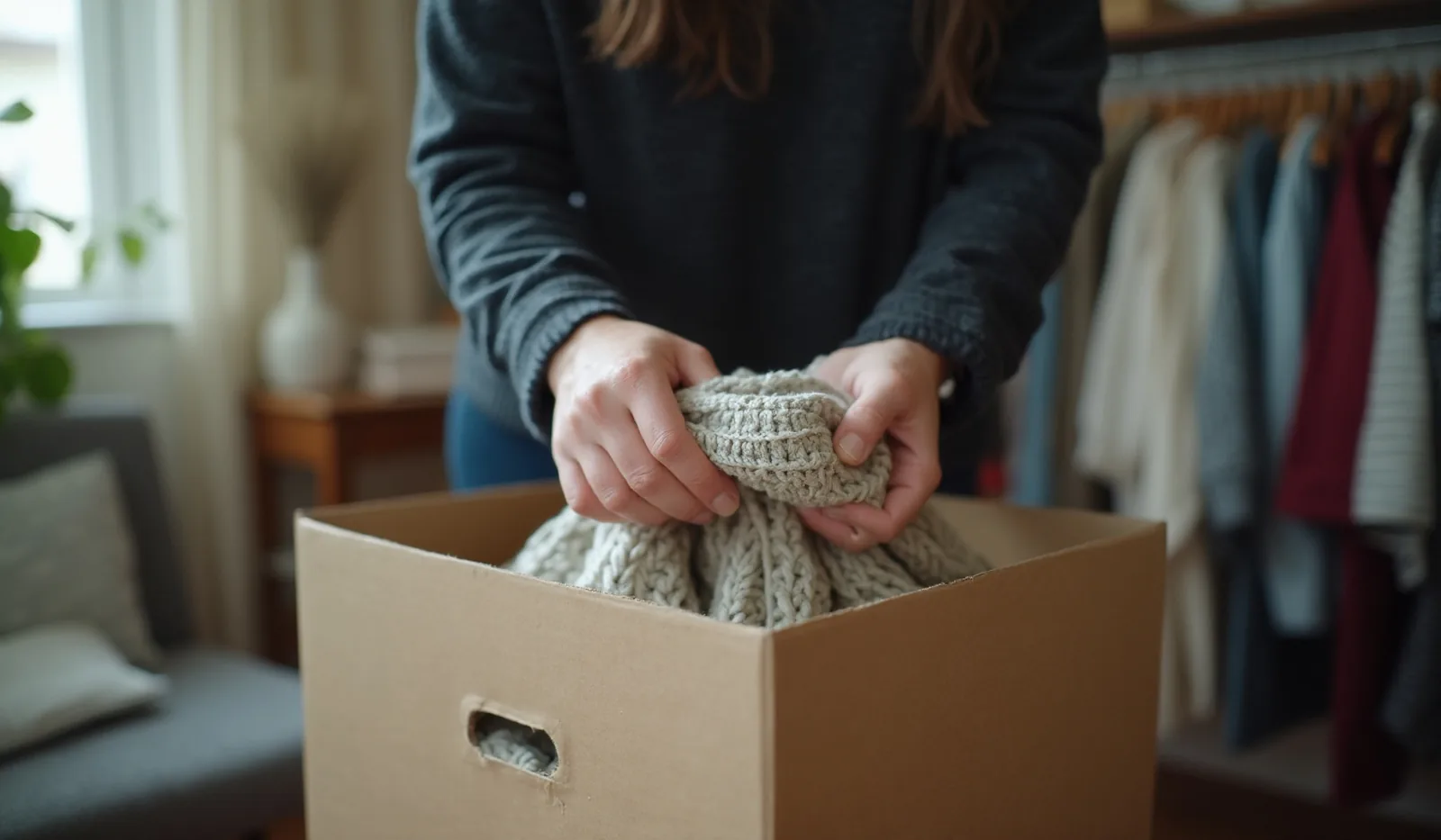
Another powerful ceiling is to let a physical container define the limit. The bookshelf holds the books; when it's full, a new book means an old one leaves. One bin holds the kids' stuffed animals; when it overflows, it's time to cull. The mug shelf is the mug limit. This works because the boundary is concrete and visible — you're not relying on willpower or a vague sense of “too much,” you're just keeping things within a container you chose. When it won't close or won't fit, that's your cue, no agonizing required.
A landing-zone ceiling for the paper and small stuff
Not everything is bought — a lot of clutter is transient stuff that arrives and never leaves: mail, flyers, packaging, freebies. Give it a single landing zone (a tray, a basket) and a time limit: anything in it gets dealt with within a week. The container caps the volume and the deadline caps the age, so the daily inflow of paper and small items never compounds into a pile.
Making ceilings stick
- Keep a donation box going in a closet, so “one out” has an easy destination — you just drop the departing item in, and take the box when it's full.
- Apply ceilings where intake is highest — clothes, toys, kitchen gadgets, paper — rather than everywhere at once.
- Pair with a pause on buying: the best “one in” is often none, so let a want sit before it becomes a purchase.
Declutter once to set your level, then use ceilings to hold it. When outflow keeps pace with inflow, a tidy home stops being a temporary achievement and becomes the steady state — not because you're constantly cleaning, but because the stuff was never allowed to pile up in the first place.