Decorations almost never come down calmly. The season is over, everyone wants the house back to normal, and whatever’s closest — a leftover shipping box, a garbage bag, last year’s bin that’s already too full — becomes the container of record. Ornaments go in loose. Light strands go in as a single knotted mass. Nothing gets labeled beyond a marker scrawl that says almost nothing. None of that matters in the moment, because putting things away always feels like the easy half of the job. It's next year, digging through crushed bulbs and a tangle you can't identify without unwinding it first, that reveals the real cost. A storage system that respects what these things actually are — fragile, tangle-prone, and only used once a year — fixes the take-down and the unpacking at the same time.
Why the Nearest Cardboard Box Fails Every Time
A generic moving box does one thing well: it holds weight. It does nothing for what actually damages holiday decor, which is crushing, shifting, and tangling. Glass and resin ornaments stacked loose absorb every bump the box takes between the attic and the shelf, and a flap-top box gives lightweight garland and bows nothing to stop them from getting flattened under whatever gets stacked on top next year. The box also hides everything inside it, so opening one means unpacking the whole thing just to find out what's there — which is exactly why mismatched, unlabeled boxes turn into a pile nobody wants to sort through. None of this is really a storage problem. It's a container-matched-to-contents problem, and it's solvable with the same handful of bins used every year instead of whatever's on hand each December.
Sort by Type Before Anything Goes in a Box
The take-down goes faster, not slower, once decorations are sorted into a small number of categories instead of one undifferentiated pile: breakable ornaments and tree décor, string lights, wreaths and garland, soft tabletop and shelf pieces, and anything that lived outside. Five categories is usually enough for a full household collection, and each one has different needs — ornaments need padding and separation, lights need to be kept from tangling, wreaths need to keep their shape, and outdoor pieces need to be checked for weather damage before they're put away for eleven months. Sorting first, before a single item goes into a box, means every bin that gets sealed already matches what's actually inside it.
Protecting the Fragile Pieces
Ornaments do best in a bin with built-in dividers rather than a shared pile, whether that's a purpose-made ornament storage case with individual compartments or a plain bin with cardboard dividers cut to size and a layer of tissue or bubble wrap between rows. The heaviest, sturdiest pieces go on the bottom layer and the lightest glass goes on top, which sounds obvious but is the single most skipped step when everyone just wants the tree undecorated and the box closed. Wrapping each ornament loosely in paper before it goes into its slot adds thirty seconds per item and saves the ones that matter; it's worth doing for the pieces you'd actually be upset to lose, even if the rest go in bare.
Taming String Lights for Good
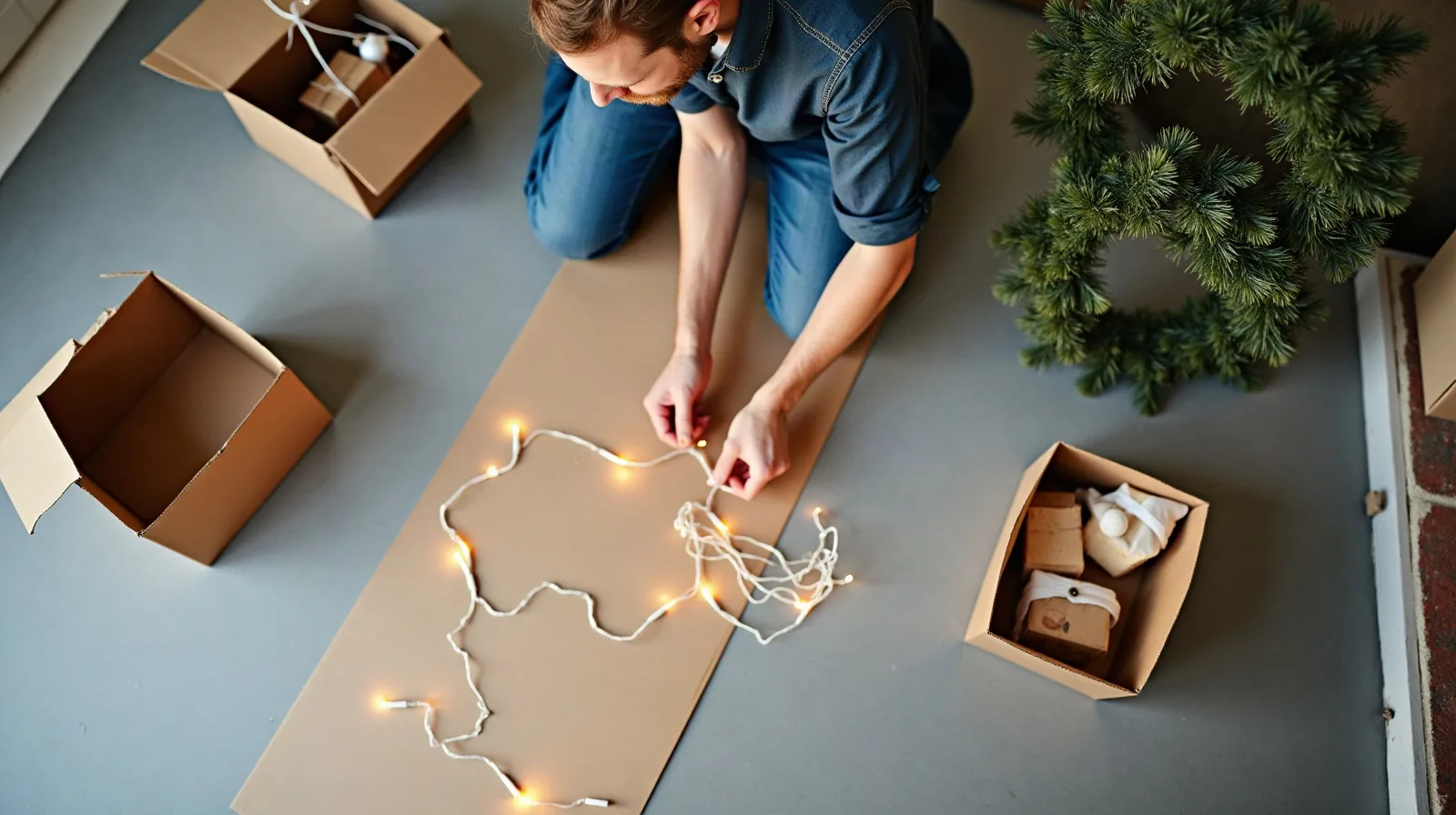
A knotted ball of lights at the bottom of a bin is the single most avoidable mess in this whole process, and the fix is almost embarrassingly simple: wind each strand around something — a flattened piece of cardboard, a spare wood block, a purpose-made cord reel — before it goes into storage, one strand per reel. It takes about the same time as coiling it loosely by hand and it's the difference between a strand you can grab and use next year and one you'll spend ten minutes unwinding first. Test every strand before it goes away, not after you've already pulled it back out next season; a dead bulb or a short is far easier to deal with while you still remember which section was acting up, and a strand that's genuinely done is better identified now than rediscovered mid-decorating next year.
A Label System You'll Actually Trust
A label that just says the holiday's name doesn't tell you anything you didn't already know from looking at the bin. A label that works says what's actually inside and where it's used — "tree ornaments, top third," "mantel garland," "porch lights" — so you can grab the one bin you need without opening three. If a bin holds a mix of things, a quick phone photo of the contents before you seal it, saved in the same album every year, does more for your memory than any label wording could; you can check what's in a bin from your phone without carrying it down from the attic first.
Where the Bins Actually Belong
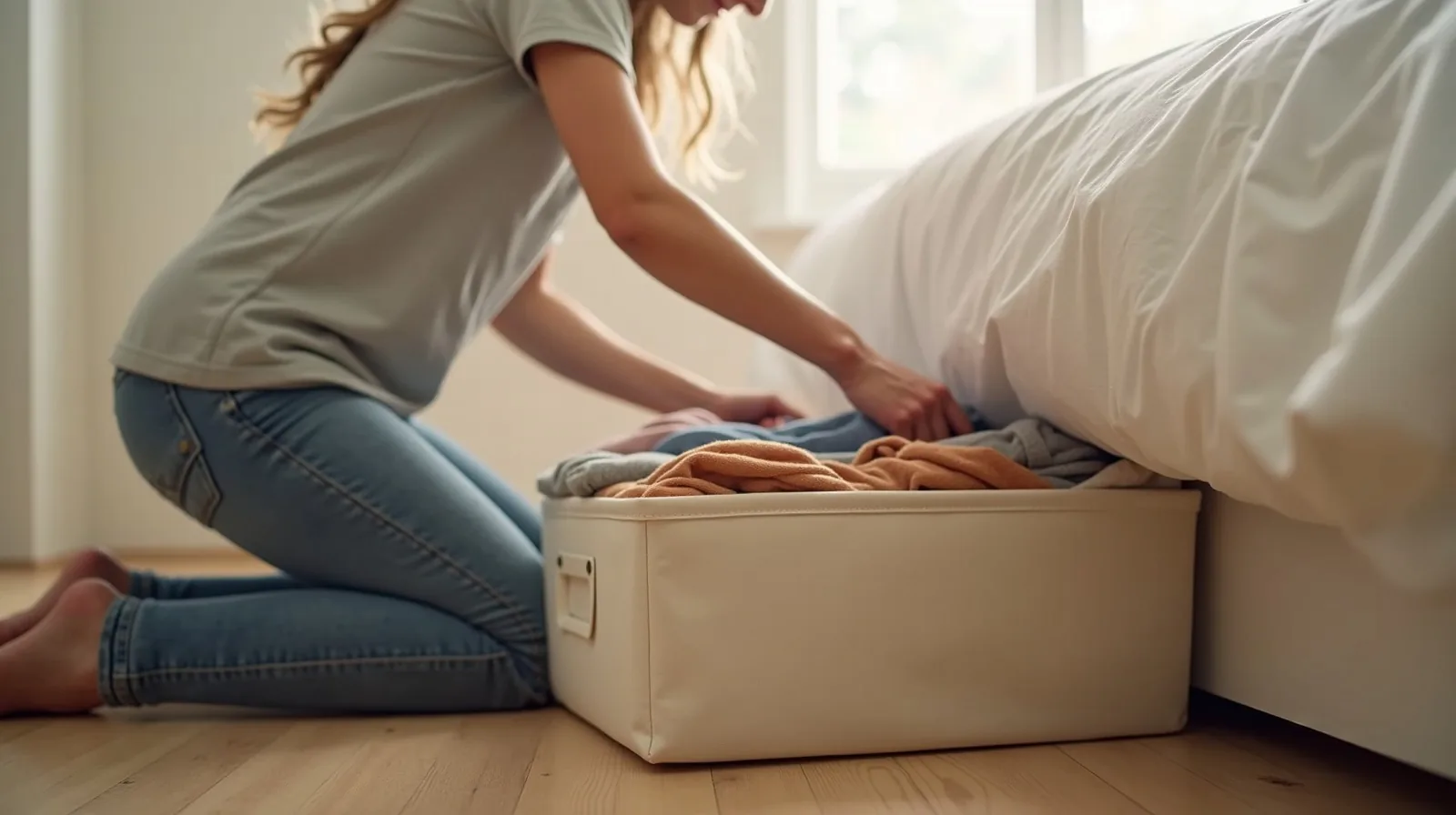
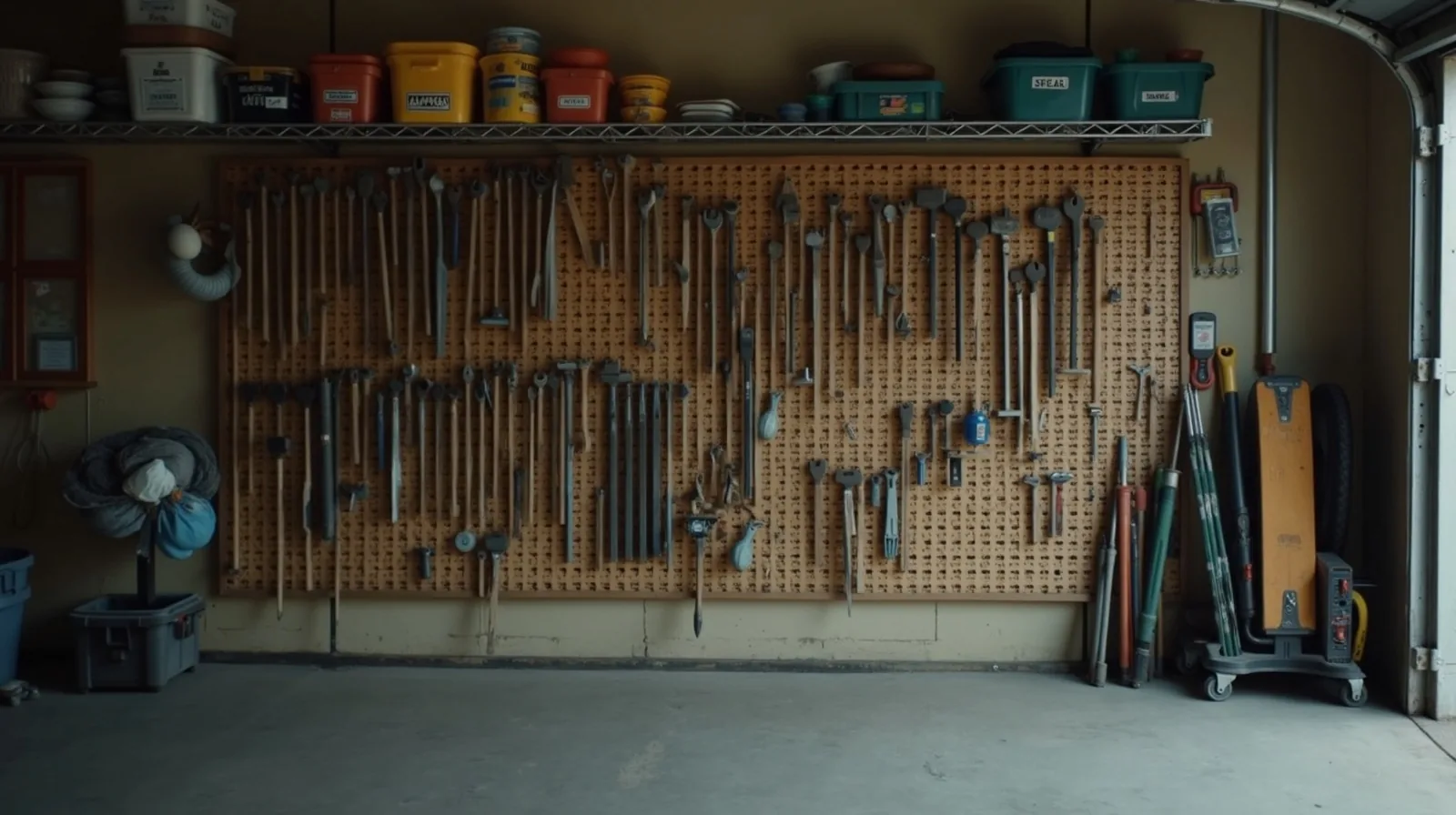
Storage placement should follow how often a bin gets opened, not just what fits where. The bins you'll reach for the moment decorating season starts belong somewhere genuinely accessible, not behind three boxes of things you touch once a decade. Attics and un-insulated garages swing through temperature extremes that make plastic ornaments and artificial greenery brittle over years of storage, so if you have the choice, a closet shelf or under-bed space that stays closer to room temperature is kinder to the delicate pieces even if the bulk of the lights and outdoor gear can take the attic without complaint.
The Five-Minute Habit That Saves Next Year
The system only holds up if a couple of small things happen during take-down itself, while everything is already out and in your hands. Test lights before they go in the bin, not after they come back out. Wrap anything genuinely fragile immediately, not "in a minute" once the box is already half full of everything else. Label the bin the moment it's sealed, before it gets carried off and the details blur. None of that adds meaningful time to take-down day, and all of it is the actual reason next year's unpacking feels easy instead of like starting from scratch.