Most gift emergencies aren’t emergencies at all. The birthday party was on the calendar for a month, the teacher gift was a given, and the host you’re visiting this weekend invited you two weeks ago. What was missing wasn’t time — it was a gift, wrapping paper, and a card, all in the same place at the same moment.
A gift closet fixes that. It’s nothing fancy: one shelf or bin of small, useful gifts bought ahead when you spot them, plus a basic wrapping kit. Here’s how to set one up, what belongs in it, and the rules that keep it from turning into another pile of clutter.
What a Gift Closet Actually Is
Think of it as a tiny, private shop that only stocks things you’d be happy to give. It has two jobs: hold a few ready-to-give gifts, and keep everything needed to wrap and sign them within arm’s reach.
- It saves money. Gifts bought on sale or without a deadline cost less than the rush-priced version bought the night before.
- It saves time. One two-minute grab from the shelf replaces a store trip, and you stop making the same wrapping-supply purchase over and over.
- It lowers stress. The gift question is already answered, so a surprise invitation is just a minor errand.
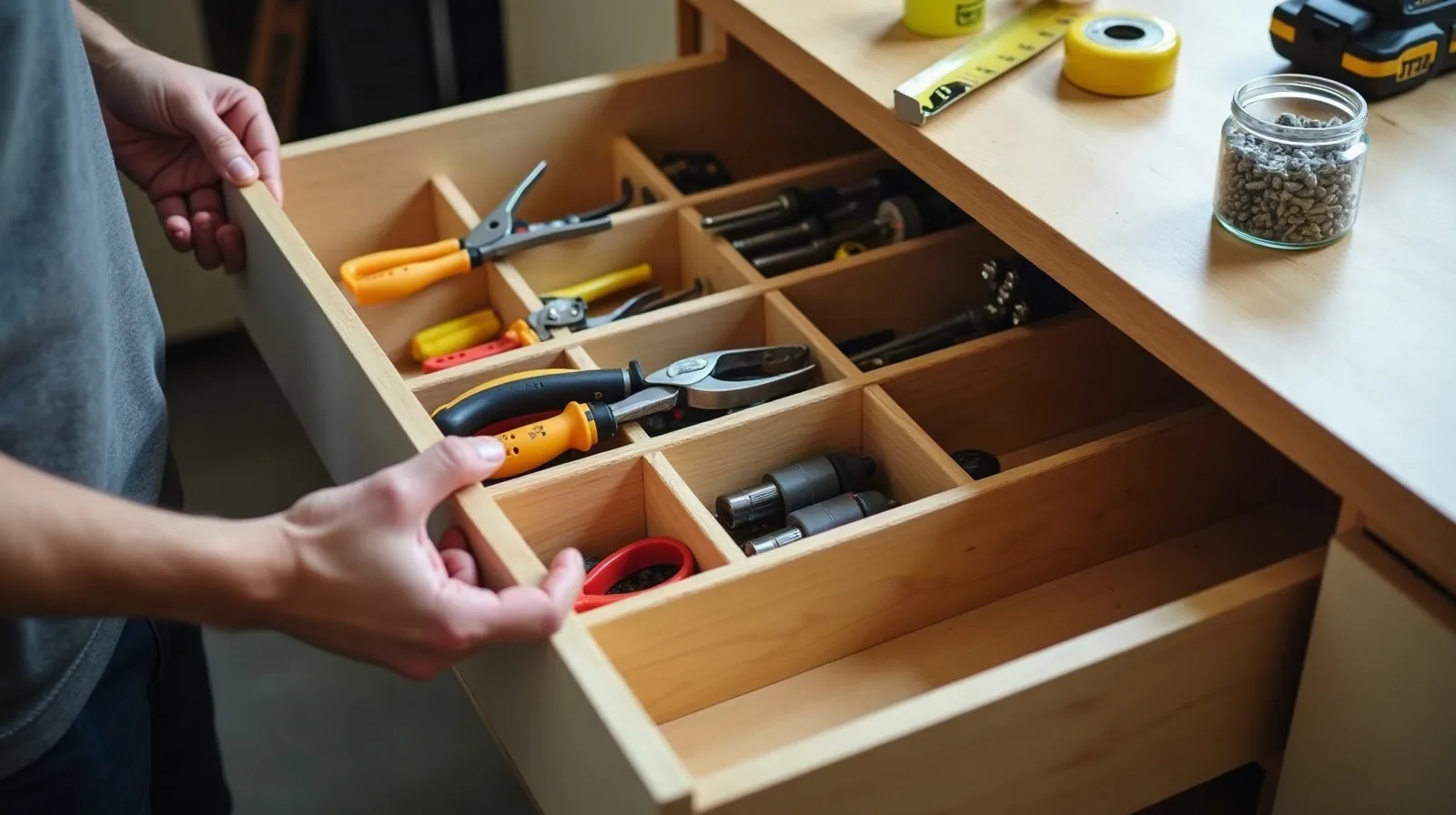
It also doesn’t need a whole closet. A deep drawer, a shelf, a lidded bin under the bed, or a tall box in a hall closet all work. If it fits in one footprint, it stays under control.
Start With the Wrapping Kit
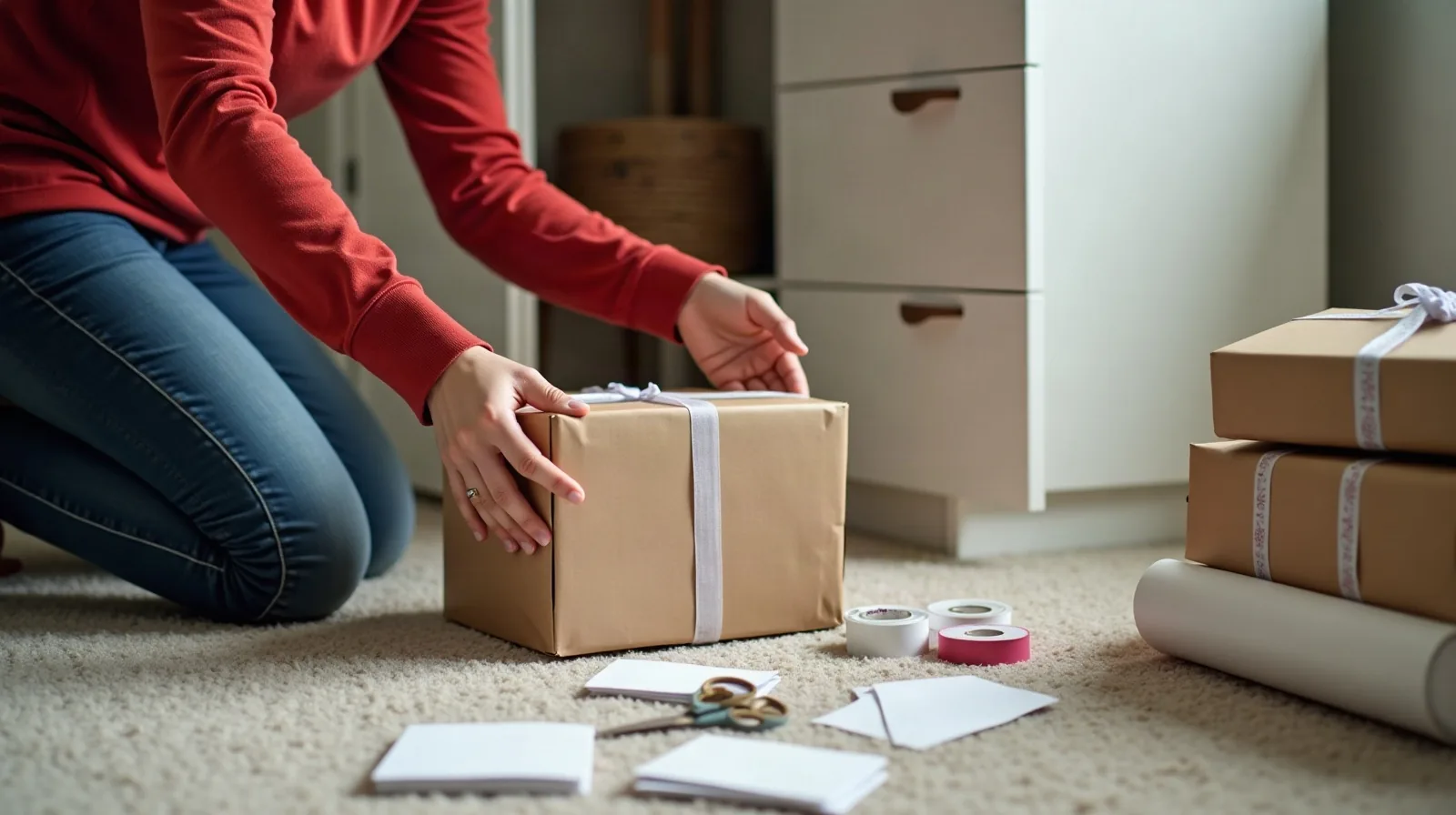
The wrapping kit is the part most people already half-own, scattered across three rooms. Pull it together first, because a gift you can’t wrap quickly isn’t really ready.
- Two or three rolls of plain paper. Kraft or a solid color works for every occasion and every age. Skip the novelty prints that only suit one event.
- A few gift bags and sheets of tissue paper. For anything awkwardly shaped, a bag takes ten seconds instead of ten minutes.
- Ribbon or twine, plus a few gift tags. One neutral spool dresses up plain paper and can be reused for years.
- Tape and scissors that live there. The reason wrapping takes forever is usually a search for the tape. Keep a dispenser and a pair of scissors in the kit and nowhere else.
- Blank cards and a pen. A handful of all-purpose cards and one reliable pen that doesn’t smear.
- A flat storage spot for paper. Rolls stand upright in a tall bin or lie flat under a bed so they don’t crease.
Wrapping paper is often the biggest bulk in the stash, so buy to match how much you actually wrap. A couple of rolls usually covers a year of ordinary occasions.
What to Stock (and What to Skip)
The best stash gifts are small, useful, and not tied to a person’s tastes, so they work for several people. Aim for items that keep well and that you’d be pleased to receive yourself.
- Consumables. Good candles, a nice hand soap, tea or coffee, a jar of something tasty, or a box of good chocolate. Check dates, since food and candles do age.
- Small useful things. A set of notebooks, a pretty kitchen towel, a reusable water bottle, a card game, or a pack of nice pens.
- Kid-friendly basics. Books, art supplies, puzzles, and small games are safe bets for a wide age range. Keep the age on the box in mind.
- A couple of host gifts. Something that doesn’t need refrigeration and that anyone would enjoy, ready for an unexpected dinner invitation.
Skip anything highly personal, sized, or trend-driven. Clothing, gadgets, and fragrance depend on taste and fit, and they’re the items that sit in the stash for two years. A gift closet is for the dependable middle, not for guessing.
Sort It by Who, Not by What
A closet organized by gift type — candles here, books there — makes you hunt. A closet organized by recipient group makes the decision in seconds. Four zones, each a bin, a shelf section, or a labeled box, cover almost everything:
- Kids. Birthday-party gifts and small treats, ideally with a note of the age range on each item.
- Adults. Candles, tea, notebooks, and other universal gifts for friends, coworkers, and relatives.
- Hosts. A few non-perishable thank-you gifts for dinner invitations, housewarmings, and weekend stays.
- Thank-yous and sympathy. A few blank cards, a small tin of something comforting, or a plant-free gift that suits a hard moment. These are the ones you most need ready.
Label each zone in plain words. A strip of masking tape and a marker is plenty.
Rules That Keep It From Becoming Clutter
A stash with no limits is just a second junk drawer. A few firm rules keep the closet useful.
- Set a size limit. One bin, one shelf. When it’s full, you stop buying until something goes out.
- Tape the purchase month on the back. A small date on each item shows what’s been waiting longest, so it goes out first.
- Use the oldest first. Same rule as a pantry — first in, first out.
- Keep a one-line list on your phone. A note listing what’s in the closet stops you from buying a fifth candle while standing in a store.
- Do a yearly sweep. Once a year, pull out anything that hasn’t found a home, then regift unopened items to a donation drive or a swap.
- Buy for people, not for the deal. A sale only counts if you can name who the gift would suit.
Never regift anything damaged, expired, or personally inscribed, and take any price tags off before it goes out.
Make Gift Giving a Two-Minute Task
With the stash in place, the actual routine barely deserves the word. When an occasion comes up, open the closet, pick the gift, wrap it in a few minutes, write the card, and put it by the door. Then restock when you spot something good at a fair price, not on a deadline.
- Put key dates in your calendar. Birthdays and recurring occasions, with a reminder a week ahead.
- Wrap in batches. If several gifts are coming up, wrap them in one sitting and label each tag.
- Replace as you go. Whenever something leaves the closet, jot it on your phone list so you remember what to look for next time.