A sale on green beans, a garden that suddenly produced more zucchini than anyone can eat, or a bag of berries about to turn — the freezer feels like the obvious answer. But produce dumped straight into a bag often comes out months later grey, soggy, and barely recognizable. The difference between a freezer worth raiding and one full of regret comes down to a few steps most people skip: a quick dip in boiling water for some vegetables, a flash-freeze before bagging, and knowing which produce isn’t worth freezing in the first place.
Why some vegetables need a head start
Vegetables are still alive after you pick them — enzymes inside keep working long after harvest, breaking down flavor, color, and nutrients even in the cold. A freezer slows that process but doesn’t stop it, which is why vegetables frozen raw can turn dull, mushy, or bitter within a few weeks. Blanching — a brief plunge into boiling water followed immediately by ice water — deactivates those enzymes before they do the damage, so the vegetable holds its color, texture, and nutrition for months instead of weeks. It isn’t about cooking the vegetable; a minute or two is enough to stop the enzymes without softening the flesh.
The blanch-and-shock method
The process is the same for nearly every vegetable that needs it — green beans, broccoli, corn, peas, carrots, and other sturdy vegetables:
- Bring a large pot of water to a rolling boil, and set a big bowl of ice water beside it.
- Drop the vegetables in for the time their type calls for — usually one to three minutes for smaller or leafier pieces, up to five for denser ones like whole ears of corn.
- Pull them out with a slotted spoon or tongs the moment the time’s up and plunge them straight into the ice bath. This stops the cooking as fast as it started — skip it, and residual heat keeps softening the vegetable.
- Once fully cooled (a minute or two), drain well and pat dry. Wet vegetables clump into ice chunks in the freezer.
Exact timing matters less than the shock afterward. When in doubt, err short — you want the vegetable barely cooked, not tender.
Freeze first, bag later
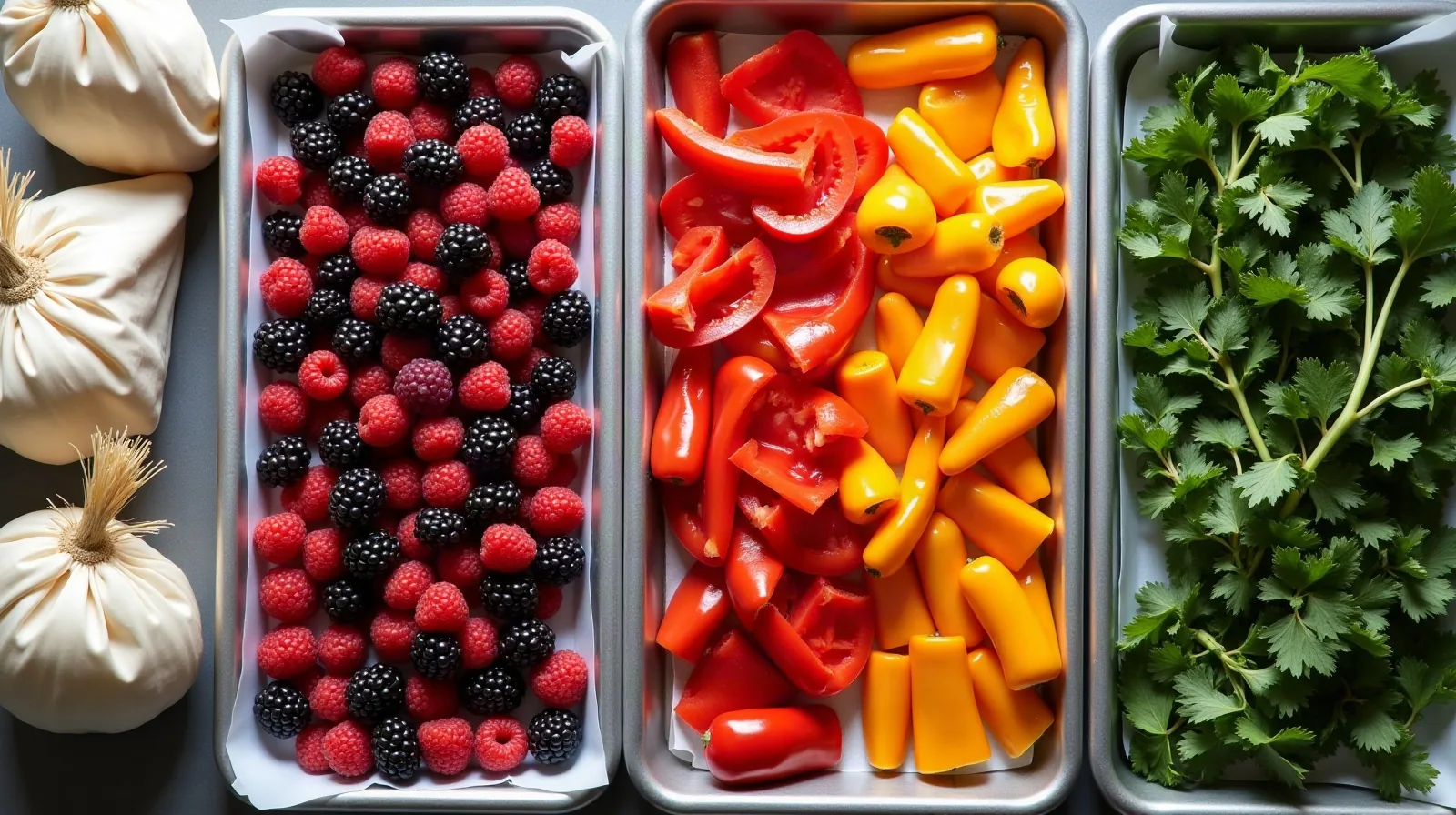
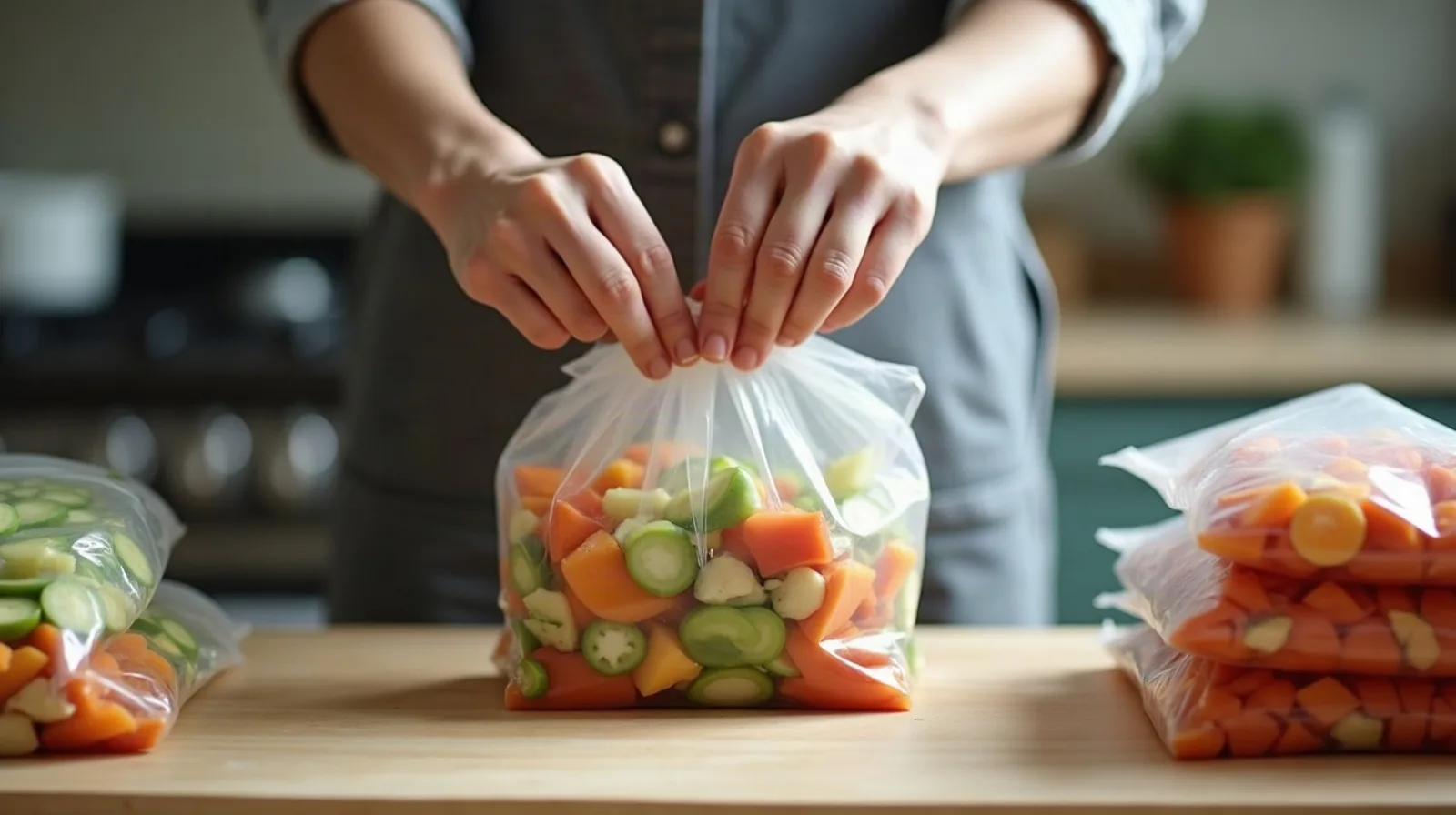
Straight into a freezer bag, blanched vegetables clump into one solid brick you have to chip apart with a butter knife. The fix is a flash-freeze: spread the dried, blanched pieces in a single layer on a parchment-lined tray, with space between pieces, and freeze until solid — a few hours or overnight. Once frozen hard, transfer them into a labeled freezer bag or container. Because each piece already froze separately, they stay loose and pourable, so you can shake out a handful instead of thawing the whole bag. It’s a few extra minutes at the front end that saves real frustration every time you cook.
Fruit skips the pot
Fruit doesn’t need blanching — the enzymes that discolor and soften vegetables behave differently in fruit, and boiling water would just turn most of it to mush. Wash, dry, and, for anything larger than a berry, slice, pit, or peel as needed, then flash-freeze on a tray the same way as vegetables before bagging. A few fruits brown quickly once cut — apples, peaches, pears, bananas — and a quick toss in lemon juice or a light sugar coating before freezing keeps the color and slows that browning. Berries, cherries, and diced mango need nothing at all beyond a rinse and a dry towel.
What never freezes well
Freezing works by turning water into ice crystals, and high-water, low-structure produce doesn’t survive that well: the crystals rupture the cell walls, and the thawed result is limp and watery instead of crisp. Skip the freezer for:
- Lettuce, cucumber, celery, and radishes — almost entirely water with little structure to hold onto; they thaw into a wilted, watery mess.
- Whole raw tomatoes — the skin splits and the flesh turns to pulp (cooked into sauce first, tomatoes freeze fine).
- Raw potatoes — the starches break down and turn grainy and dark; cooked and mashed, or blanched first, they hold up much better.
- Mayonnaise- or cream-based dishes — the emulsion separates and never comes back together after thawing.
If a vegetable is more water than substance, or a dish relies on an emulsion, the freezer is the wrong tool — eat it fresh or find another storage method instead.
Portion for the meal you’ll actually cook
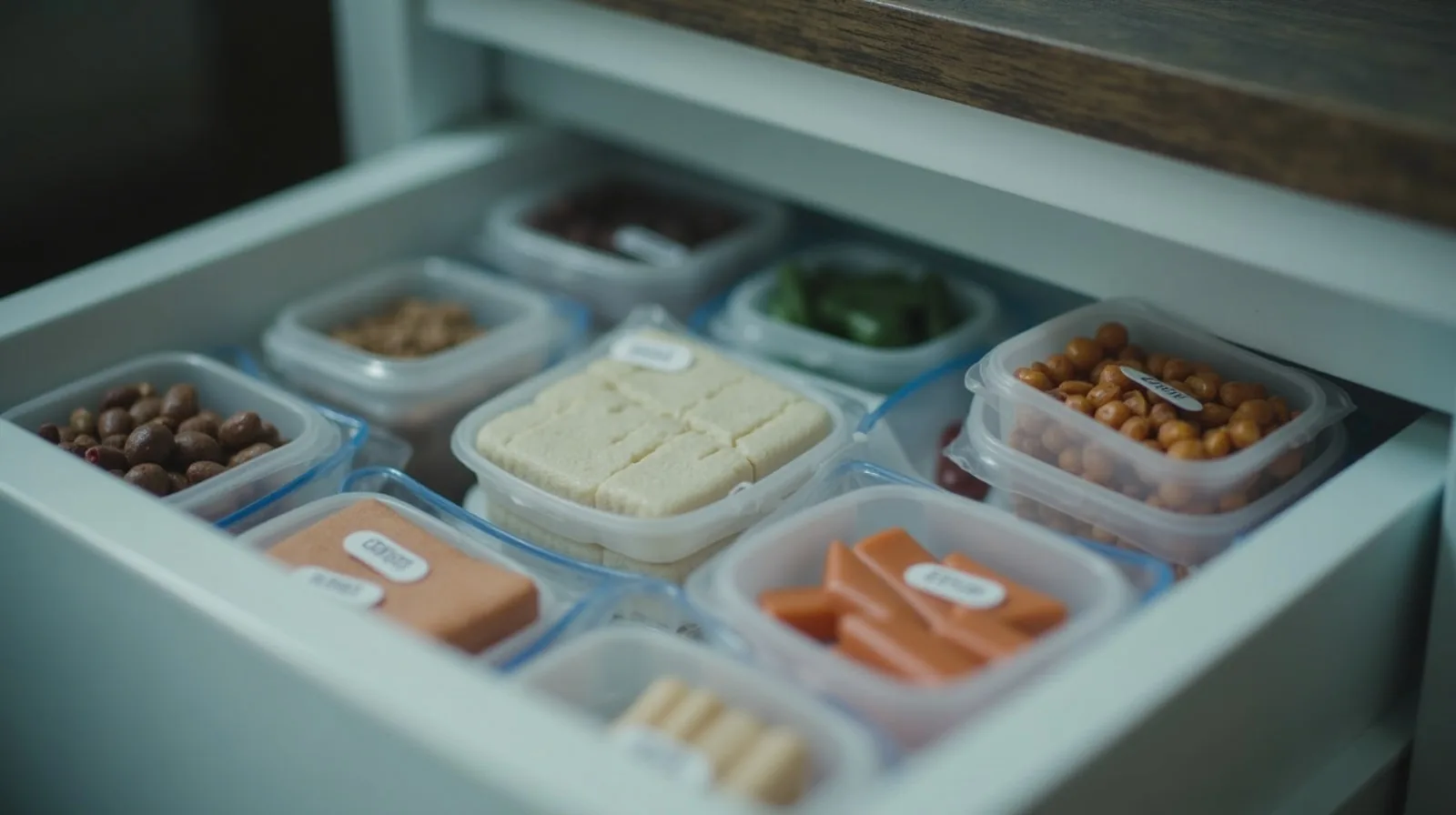
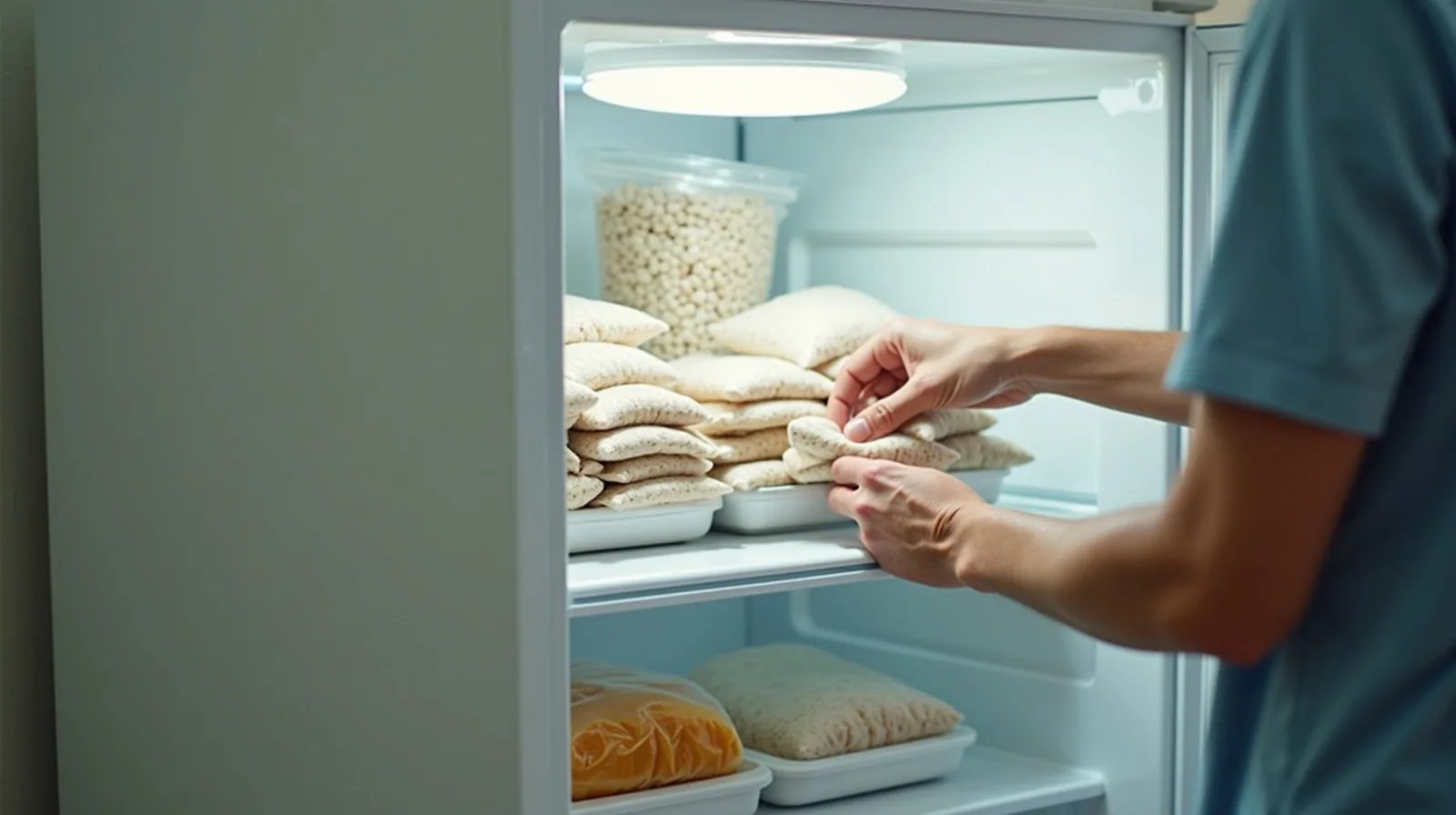
Before bagging anything, think about how you’ll actually use it. A pound of green beans destined for one dinner doesn’t need to freeze as one pound-sized brick if you usually cook for two; portion into meal-sized amounts before the flash-freeze step, so you thaw exactly what you need instead of hacking a chunk off a giant block. Press the air out of the bag before sealing — air is what causes freezer burn, not time — and a piece of masking tape with the contents and the date turns a mystery bag back into a plan for dinner.
None of this is complicated once you’ve done it a couple of times — it’s a pot of water, a bowl of ice, and a few extra minutes standing at a tray. Do that, and a grocery sale or a garden that got away from you turns into a freezer full of vegetables that still taste like vegetables months later, instead of a graveyard of freezer-burned regret.