A water bill that’s crept up over a few months with no obvious explanation is one of the more solvable household mysteries — because leaks tend to hide in a small number of predictable places, and finding them mostly takes a little patience rather than any special equipment. It’s worth treating the bill itself as a clue: a gradual, steady climb usually points to a leak that’s been running quietly for a while, while a sudden jump often means something changed recently and failed all at once.
Start at the meter with everything off
The water meter is the most reliable first clue, because it can tell you whether there’s a leak at all before you go hunting for where. Turn off every fixture and appliance that uses water — no dishwasher or washing machine running, no one showering or filling a glass — then find the meter, often near the street, in a basement, or in a utility closet, and watch it. Most meters have a small dial or triangle-shaped indicator that spins whenever water is flowing anywhere in the house. If nothing in the house is using water and that indicator is still moving, water is escaping somewhere — a leak, not your imagination about a high bill.
Check the toilet first — it’s the most common culprit
A running or silently leaking toilet is by far the most frequent cause of an unexplained jump in water use, and it’s often invisible because the leak doesn’t make an obvious sound. The classic test uses food coloring: add a few drops to the tank, not the bowl, and wait about ten minutes without flushing. If color shows up in the bowl, water is leaking from the tank into the bowl through a worn part, most often the flapper — the rubber seal at the bottom of the tank that can warp or crack over time and stop sealing properly.
- Listen for it too. A faint hiss or trickle from the tank when nothing has been flushed recently is often audible if you listen closely.
- Check more than one toilet. If there’s more than one bathroom, test each tank separately — a leak in one doesn’t rule out a second, unrelated one.
- Note the fill valve too. A fill valve that runs intermittently on its own, without a flush, points to the same kind of hidden leak.
Work outward to faucets, hose bibs, and irrigation
If the toilets check out clean, the next places to look are the fixtures that see constant use and gradual wear. A dripping faucet seems minor but adds up over weeks, and a worn aerator, the small screen at a faucet’s tip, or an old washer inside the handle is usually the cause. Outside, check every hose bib for drips when the hose is disconnected, and look at any irrigation or sprinkler system for a wet patch of ground that appears even on days it hasn’t rained and the system hasn’t run — underground irrigation leaks are notorious for going unnoticed because the water disappears into the soil instead of pooling visibly. A hose left attached to an outdoor spigot can also mask a small drip, so disconnect it while checking. Automatic irrigation timers are worth a specific look too — a valve that doesn’t fully close after a cycle can keep a small amount of water flowing well after the system should have shut off, quietly running up usage without ever being obviously “on.”
Knowing which fixes are DIY and which need a plumber
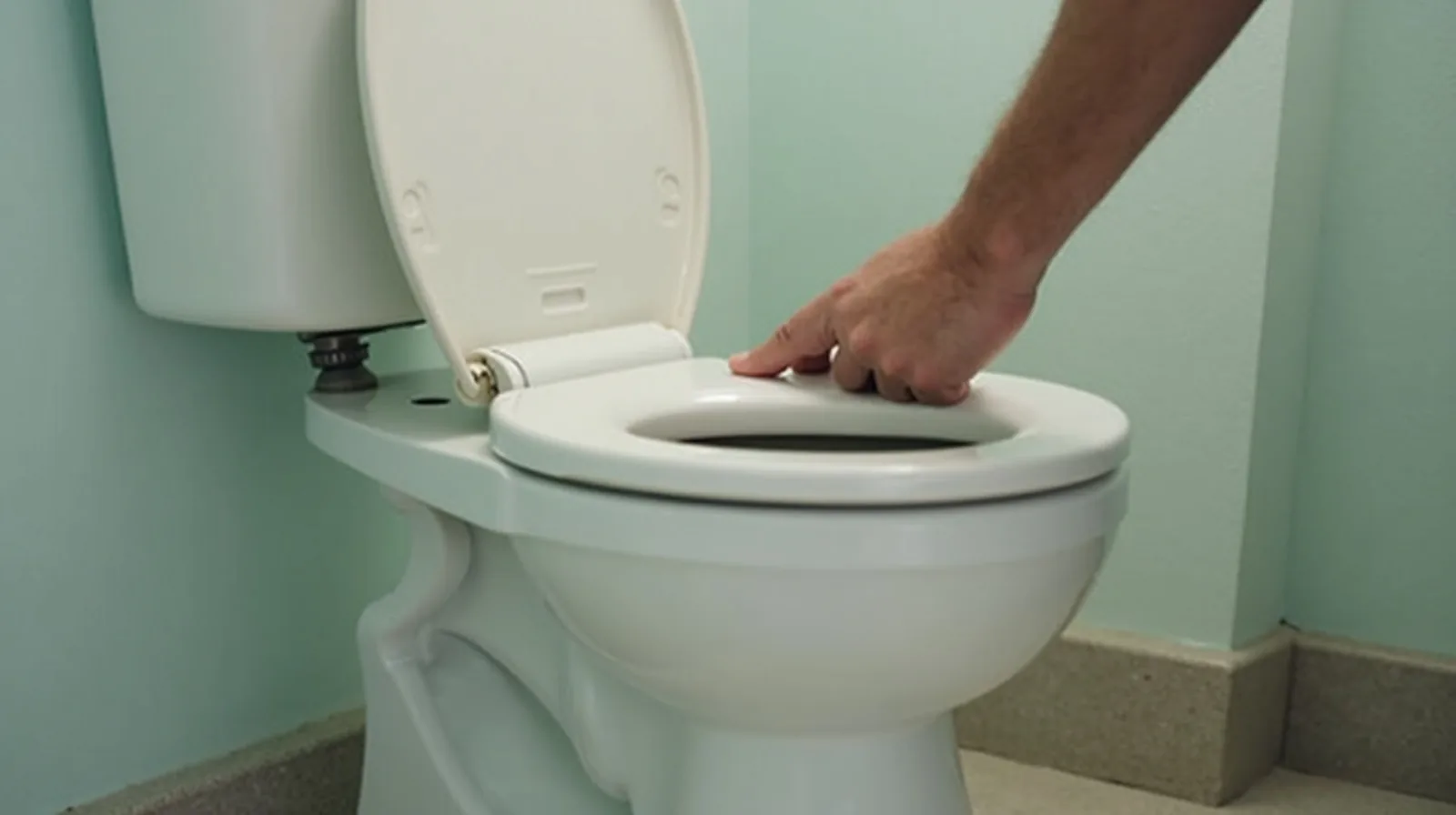
Most of the common culprits are genuinely fixable without professional help. A worn toilet flapper, a leaking faucet washer, and a clogged or worn aerator are all inexpensive parts that swap in with basic tools and a few minutes, and they’re the source of the large majority of household leaks. Where it’s worth calling a plumber is anything involving a leak inside a wall or under a slab foundation, a main supply line, or an irrigation system’s underground piping — these require either specialized leak-detection equipment or work that’s genuinely risky to attempt without experience, and a small mistake there can cause real water damage. The dividing line is roughly this: if you can see and reach the part, it’s usually a fair DIY attempt; if the leak is hidden behind a wall, under the ground, or on the main line, it’s worth the professional visit.