
Smart home gear promises a house that anticipates you — lights that greet you, a thermostat that learns your schedule, a doorbell that lets you see who’s outside from anywhere. In practice, a lot of people end up with three different apps, a drawer of unused hubs, and lights that occasionally turn on by themselves at 2 a.m. for no clear reason. The overwhelm isn’t the technology; it’s trying to do everything at once. A slower, more deliberate start gets you almost all the benefit with a fraction of the frustration.
Pick One Ecosystem and Stay There
The single biggest source of smart-home headaches is mixing systems that don’t talk to each other well. Most major ecosystems now support a shared underlying standard for many device types, which has made cross-brand compatibility much better than it used to be — but the app you use to control everything, the voice assistant you talk to, and the automation rules you build still live inside one ecosystem’s walls.
- Choose based on what you already use. If your phone, speakers, or streaming device already come from one company’s ecosystem, starting there usually means the least setup friction.
- Check compatibility before buying anything. A device’s packaging or listing will state which ecosystems and voice assistants it supports; don’t assume.
- Resist the urge to add a second app for one clever gadget. A device that only works well in its own separate app is rarely worth the fragmentation unless it does something nothing else can.
Start With the Devices That Actually Earn Their Keep
Not every smart device pays off. Some are genuinely useful daily; others are novelties that get used twice and forgotten. A good starting set covers convenience, security, and comfort without going overboard.
- Smart bulbs or a smart plug. Either lets you handle the most common request — “turn the lights off from bed” — without rewiring anything. A plug is the cheaper, more flexible starting point since it works with lamps you already own.
- A video doorbell. Seeing who’s at the door from a phone, and getting a recorded clip of package deliveries, is one of the more consistently useful upgrades for most households.
- A smart thermostat. Scheduling and remote adjustment can meaningfully cut energy use and are especially handy if your schedule varies week to week.
Wi-Fi Devices vs. Hub-Based Devices
Smart devices connect one of two ways, and it’s worth understanding the difference before buying a stack of them. Wi-Fi devices connect straight to your home network and need no extra equipment, but a house full of them can strain a router built for phones and laptops, not dozens of small always-on gadgets. Hub-based devices use a lower-power wireless standard and talk through a separate hub, which is more efficient and often more reliable at scale, but adds a piece of hardware you have to buy, place, and keep powered.
- A few devices: Wi-Fi is fine. One or two bulbs or a plug rarely justifies a hub.
- Many devices: a hub earns its cost. Once you’re past six or eight smart devices, a hub tends to make the whole system faster and more stable.
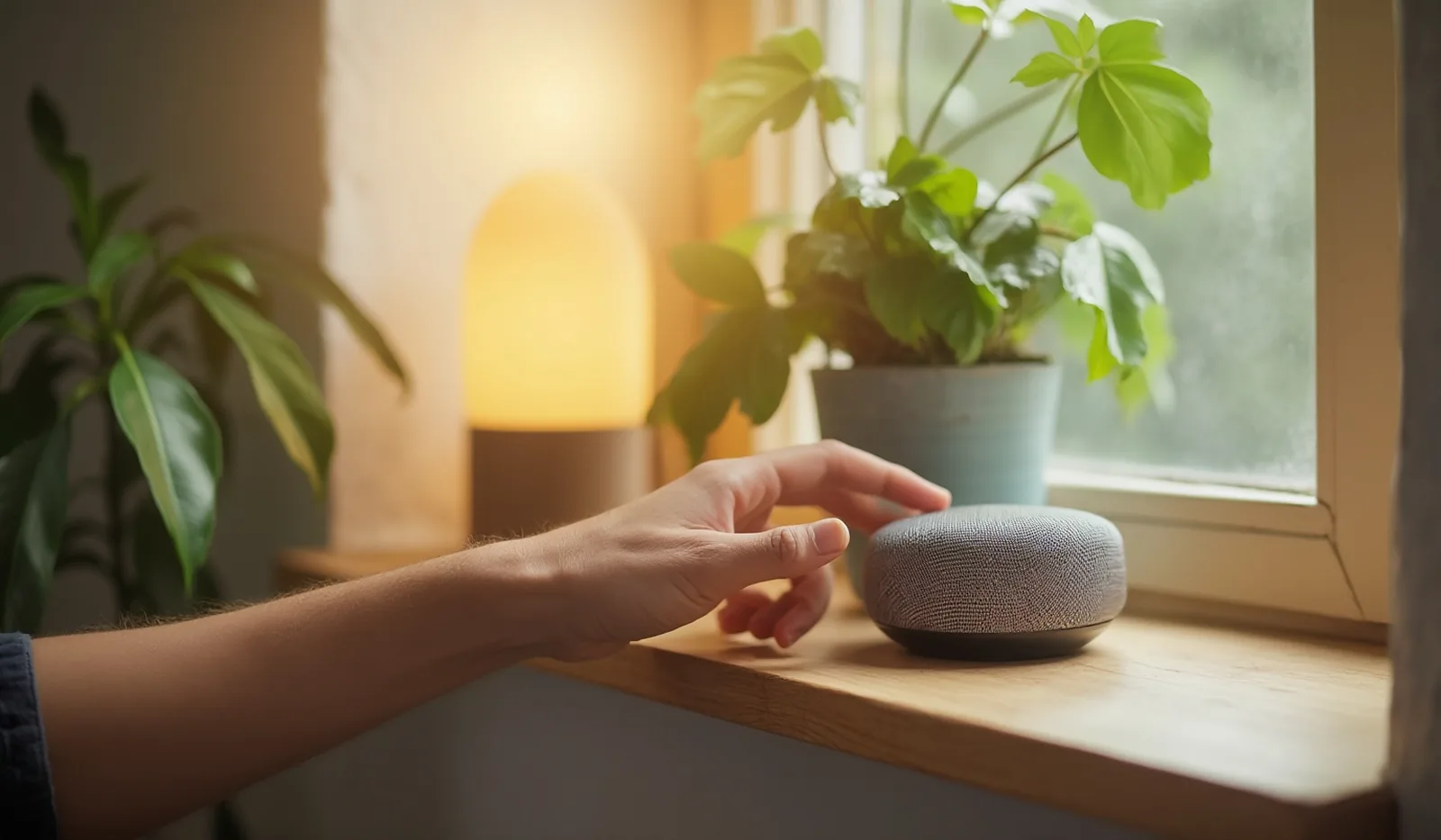
- Some hubs are hiding in plain sight. Certain smart speakers and streaming devices double as hubs already, so check what you own before buying a dedicated one.
Automations That Help — and the Ones to Skip
An automation is only worth building if it saves more effort than it costs to set up and maintain. A short list of high-value routines beats a sprawling web of triggers nobody remembers writing.
- Sunset and sunrise lighting. Lights that turn on around dusk and off at a set time handle a genuinely repetitive task well.
- An away routine. One command or automatic trigger that turns off lights, drops the thermostat, and locks up when everyone leaves is worth setting up once.
- Skip the elaborate multi-step scenes at first. Complex chains — lights dim, music starts, blinds close, all triggered by one sensor — are the ones most likely to misfire and the hardest to debug when they do. Add them later, one at a time, once you trust the basics.
Privacy is worth a moment of attention too: cameras and voice-enabled devices are always the ones to research most carefully, since they’re also the ones capturing the most about your home. Check what a device stores, where recordings go, and whether you can turn off features you don’t need before it’s installed, not after.