
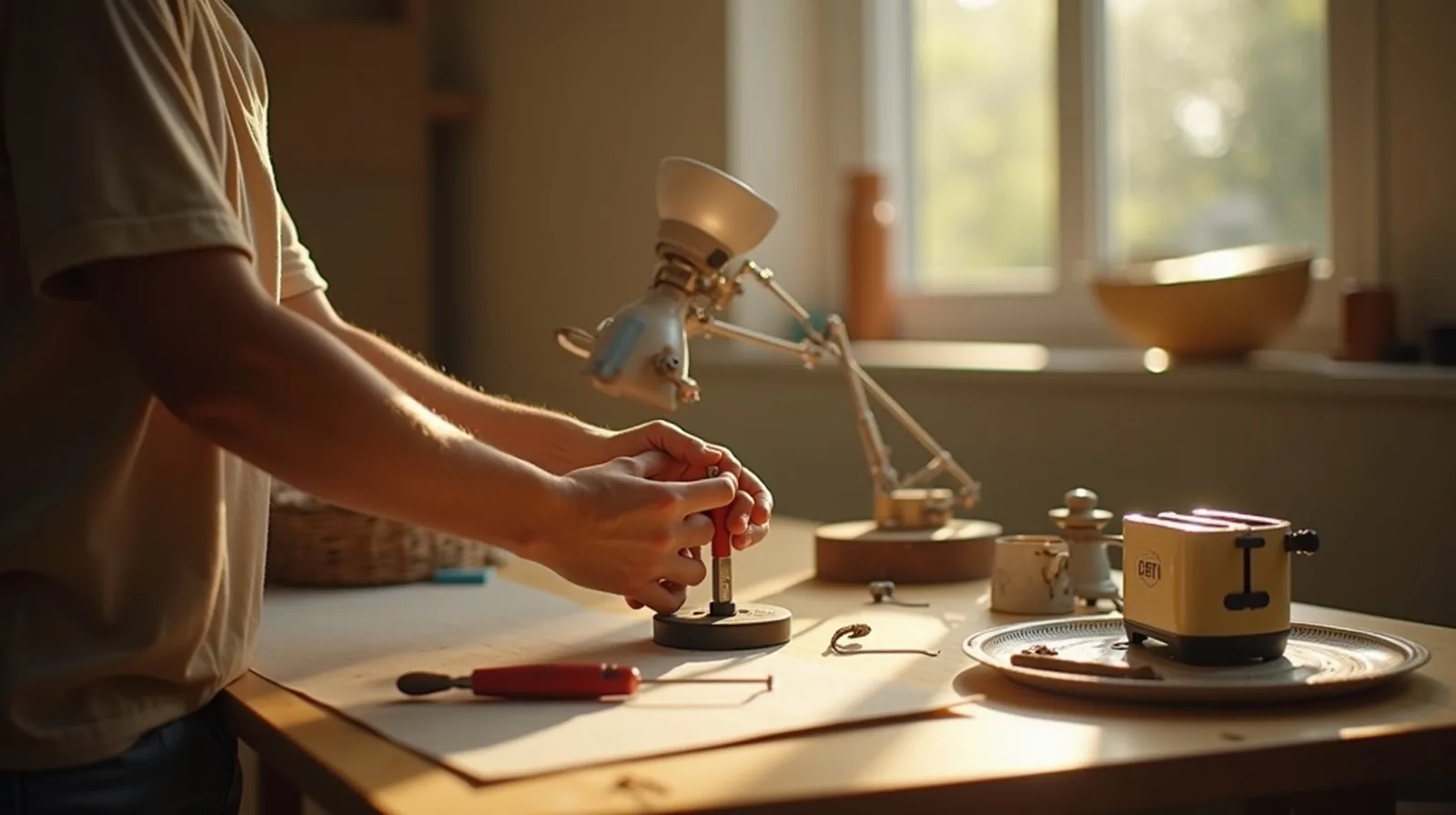
Somewhere in most regions, on a weekend a few times a month, a community hall or library fills up with folding tables, tackle boxes of tools, and volunteers who just like fixing things. These are repair cafés — informal, usually free events where people bring in a broken toaster, a torn jacket, a wobbly bike, or a dead lamp, and someone with the right skill sits down and helps fix it, often while you wait. The whole model runs against the usual instinct that something broken is something to throw away, and once you’ve seen a genuinely dead-seeming appliance revived with a five-minute fix, that instinct starts to feel a lot less automatic.
What actually happens at one
The format is simple and low-pressure. You show up with the broken item, a volunteer — often someone with a background in electronics, sewing, woodworking, or bike mechanics — looks it over with you, and you work on the fix together rather than just dropping it off. That “together” part matters: the goal isn’t a drop-off repair shop, it’s teaching you enough that you could attempt a similar fix yourself next time. Common fixes include a lamp with a bad switch, a vacuum that’s lost suction, a coat with a broken zipper, a wobbly chair leg, or a bike with a slipping gear. Not everything can be saved — a badly corroded circuit board or a fundamentally worn-out motor sometimes really is done — but volunteers are usually upfront about that rather than stringing along a lost cause.
Why the fix-it culture actually saves money
The math is straightforward once you account for how often a small appliance gets replaced for a fixable reason. A toaster with one broken heating coil, a vacuum with a clogged hose, or a lamp with a frayed cord are all commonly thrown out and replaced when the actual failure is a cheap part and twenty minutes of attention. Multiply that across a household’s small appliances over a few years and the savings add up quickly, on top of keeping usable material out of the waste stream. There’s also a knowledge transfer that compounds: once you’ve watched, or done, a repair once, you’re far more likely to attempt the next similar one yourself instead of automatically buying new.
- Small appliances. Toasters, kettles, and lamps often fail at one cheap, replaceable part.
- Clothing and textiles. Zippers, hems, and small tears are quick fixes that extend a garment’s life for years.
- Bikes. Brakes, gears, and flats are approachable repairs most volunteers can walk you through.
Finding one and what to bring
Repair cafés are typically organized by community groups, libraries, or local sustainability organizations and posted on community calendars, library event pages, or neighborhood bulletin boards — a search for “repair café” plus your city or region is usually the fastest way to find the nearest one and its schedule. Bring the item itself, any parts or manuals you have for it, and reasonable expectations about wait times, since these events run on volunteer availability rather than a set schedule. Most are free, though some ask for a small donation to cover the space or supplies. It’s worth checking ahead whether a specific event has the right kind of volunteer for your item — a sewing-focused event might not have a small-appliance specialist that day. Many events also welcome volunteers who don’t have a specific fixing skill but can help greet people, keep the tool table organized, or take notes on what worked, so it’s worth showing up even if you’re not sure you have anything to contribute beyond curiosity.
Right to repair and fixing it yourself
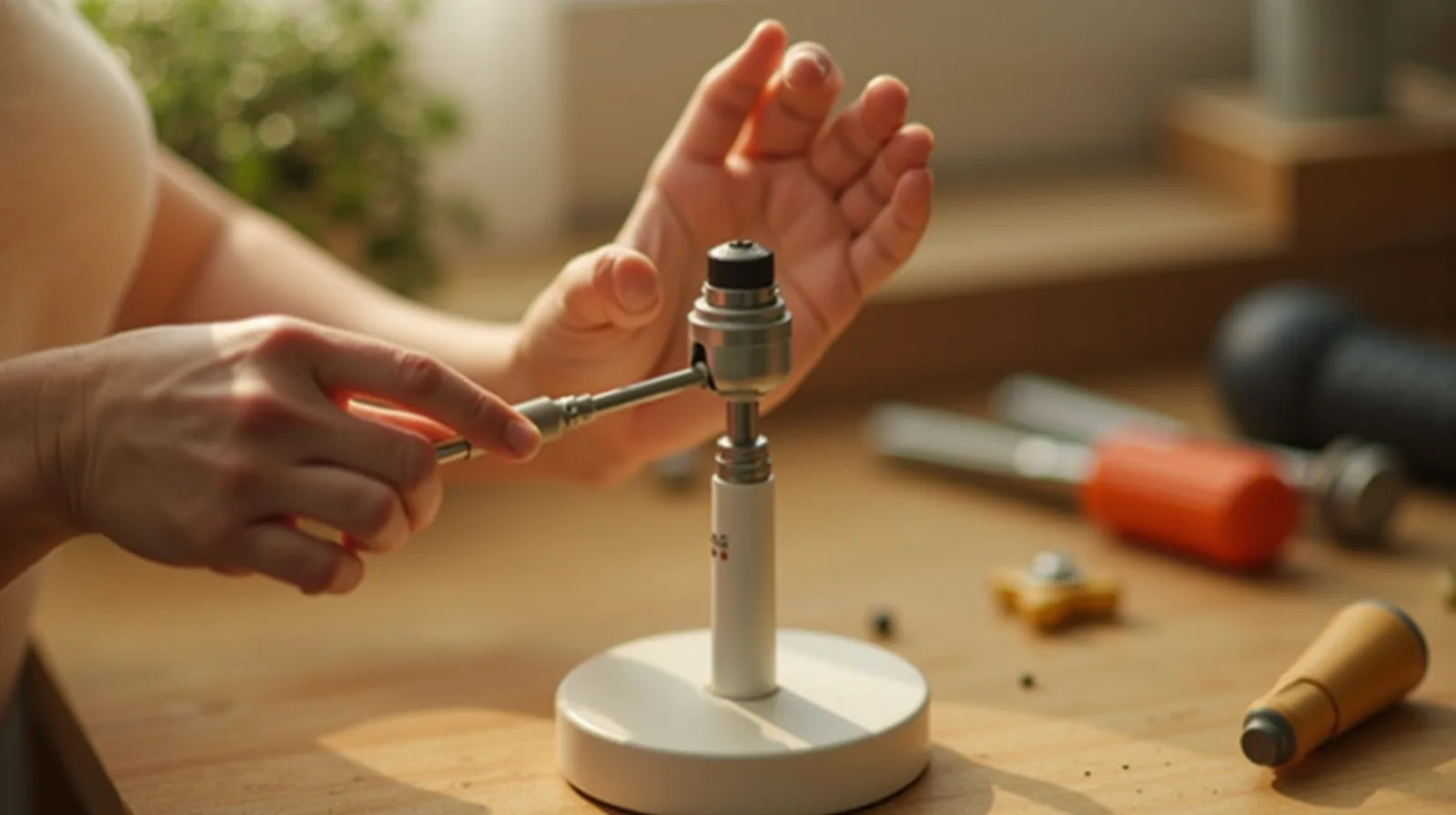
The broader momentum behind repair cafés is part of a larger shift toward making repair easier in general. Manuals, exploded diagrams, and replacement parts for many small appliances and electronics are increasingly available online, and a specific model number plus “repair guide” often turns up a straightforward walkthrough. Simple fixes worth attempting on your own before assuming something is dead include replacing a frayed cord or plug, cleaning or replacing a vacuum filter, resetting a tripped internal fuse, tightening a loose connection, or swapping a worn gasket or belt. None of these require special training, just a screwdriver, some patience, and a willingness to open the thing up and look — which is exactly the confidence a repair café is designed to build.