A rental car dispute almost always comes down to one missing thing: proof of what the car looked like before you drove it off the lot. The company’s inspection at pickup is often rushed or skipped entirely, which leaves you exposed to a damage claim for a scratch that was there before you touched the car. A five-minute ritual at the start and end of the rental closes that gap completely, and it costs nothing but a little patience while the engine warms up. It’s the single highest-value habit in the entire rental process, and it works the same way whether you’re picking up from a busy airport counter or a small local lot.
Why the five-minute walkthrough matters
Rental damage disputes surface weeks after the fact, often after the car has been rented out several more times, which makes it nearly impossible to prove a mark wasn’t yours. Without your own record, it’s your word against a company that has every incentive to bill the charge to whoever last signed the agreement. A dated set of photos or a short video, taken the moment you take possession, is the only evidence that actually holds up, and it costs you nothing but the few minutes it takes to walk around a parked car before pulling out into traffic.
Photograph and video every side before you leave the lot
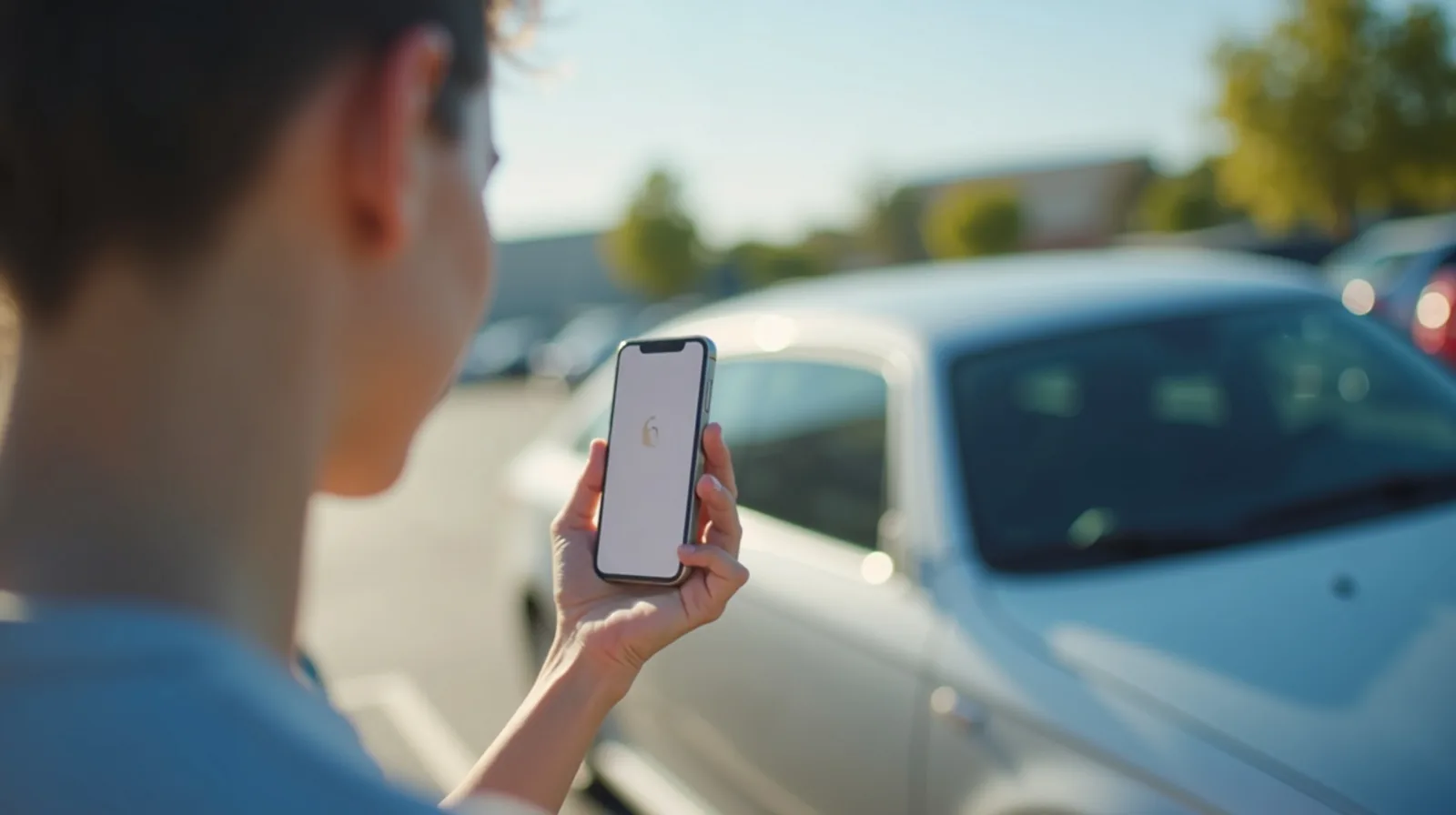
Before pulling out of the space, walk a full slow loop around the car with a phone camera recording continuously — front, both sides, rear, roofline, and wheels — narrating the date and the car’s plate or unit number as you go. Follow it with a few still photos of anything that looks like an existing scratch, dent, or chip, close enough that the damage is unmistakable. Do the same for the interior: seats, dashboard, trunk, and the odometer and fuel gauge reading.
- One continuous video of the full exterior loop is harder to dispute than a handful of stills.
- Close-up stills of any existing mark give you something to point to specifically if it’s later blamed on you.
- The interior and odometer matter too — stains, dashboard scratches, and mileage all show up on inspection reports.
- Save the files somewhere durable, like a cloud backup or an email to yourself, rather than only on the phone that took them — a lost or damaged phone shouldn’t also cost you your evidence.
Note existing damage with staff, check fuel policy
Photos protect you, but a second layer helps even more: point out any damage you find to a staff member before leaving the lot and ask them to note it on the rental agreement or inspection sheet in front of you. A company representative acknowledging a scratch at pickup is far stronger evidence than a photo alone, since it can’t later be dismissed as something you caused. If the lot is busy and no one is available to walk out with you, ask at the counter anyway and get a name or a note on the paperwork — a verbal acknowledgment is worth having even without a signature. While you’re there, confirm the fuel policy in writing — full-to-full is standard, but some agreements charge a flat refuel fee or expect a specific level at return, and the gauge reading itself is worth its own photo.
Find the essentials and confirm the return terms
Before driving off, spend thirty seconds locating the controls you’d otherwise hunt for at night or in the rain: headlight and wiper switches, hazard lights, and where the fuel door release sits. Pop the trunk and confirm there’s a spare tire or inflation kit and, in regions that require one, a warning triangle, so a flat tire on the road doesn’t become its own emergency. It’s also worth confirming the car actually has the features the reservation promised — a specific seat count, a particular transmission type, a roof rack mount — while you’re still on the lot and can ask for a swap.
Finally, confirm the return process — the drop-off location, and whether a staffed inspection happens at return or the car is simply left in a lot to be checked later — and if it’s the latter, take one more quick set of photos at drop-off, timestamped, showing the car exactly as you left it. That closing set of photos matters just as much as the opening ones, since it’s your only proof of the car’s condition for the gap between when you park it and when someone on staff actually gets around to inspecting it.