Peeling a sticker is the easy part. The paper or film comes away in one satisfying strip, and then you’re left with a gummy rectangle that grabs lint, turns gray, and smears when you rub it. That sticky layer is adhesive designed to hold on for months, and it responds to a short list of fixes — as long as you start with the gentlest one and work up only when you have to.
Why the Stickiness Stays Behind
A sticker has two parts: the label itself and a thin layer of pressure-sensitive adhesive. When you pull the label off cold and fast, the adhesive often lets go of the label instead of the surface, which is how you end up with the paper in your hand and the glue still on the jar, frame, or window. Over time it gets worse. Heat, sunlight, and age cure the adhesive and bond it more firmly, and a sticker that has sat on a window for two summers has effectively fused to the glass.
That’s useful to know, because it points at the two things that loosen adhesive: warmth, which softens it, and a solvent, which dissolves it. Scrubbing harder does neither — it just grinds the residue deeper into the surface and scratches whatever is underneath.
Step One: Warm It and Peel Low and Slow
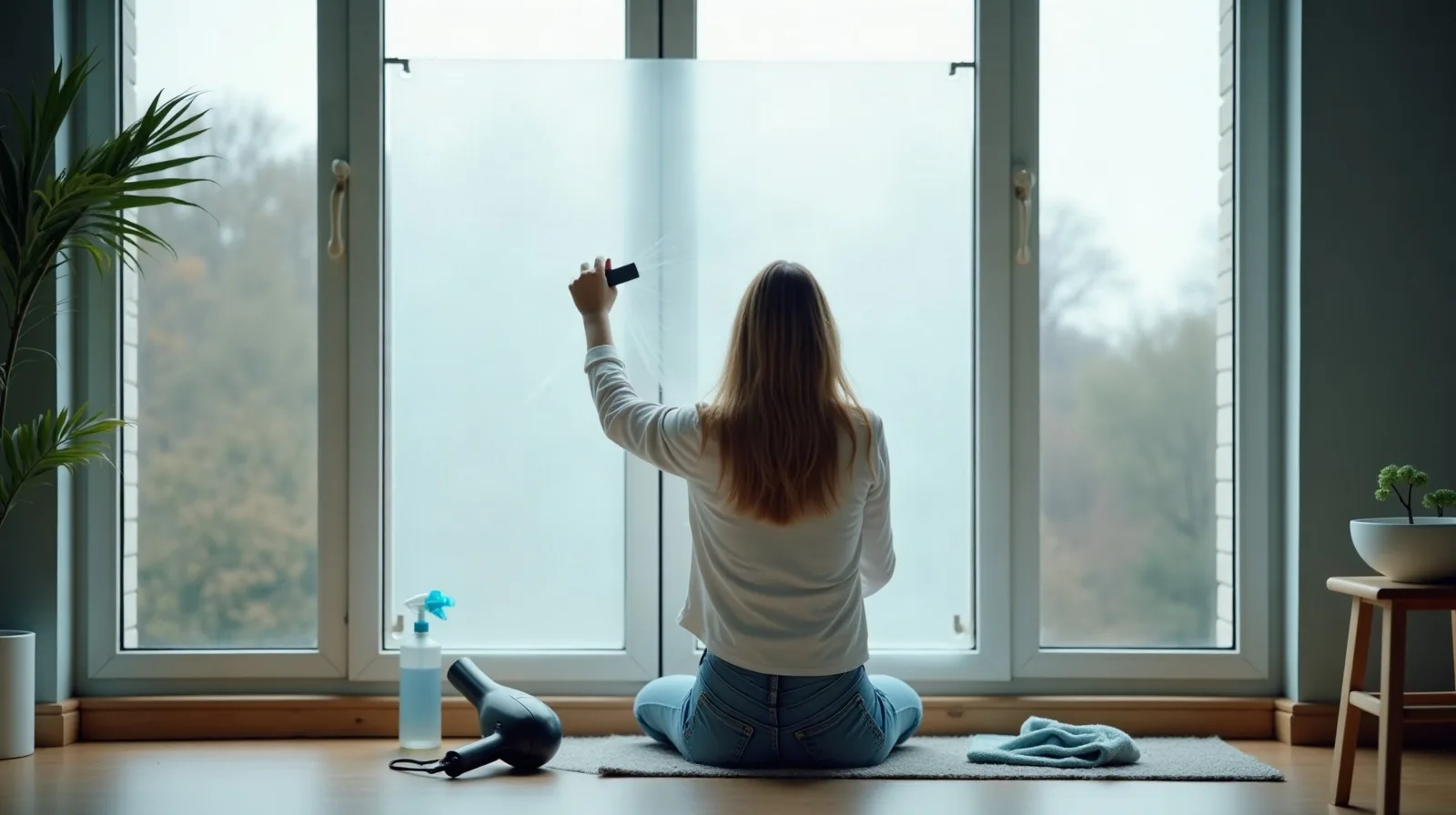
Before reaching for any liquid, take the label off properly. A hair dryer on medium heat, held a few inches away for 20 to 30 seconds, softens the adhesive enough that most of it travels with the sticker. Lift one corner with a thumbnail, then peel back along the surface at a low angle rather than pulling straight up. A flat pull spreads the stress across the whole label; a steep one snaps the paper and leaves the glue behind.
If the label rips, don’t pick at it in tiny pieces. Warm it again and keep going from the edge of the remaining patch. For paper labels, laying a cloth soaked in warm, soapy water across the sticker for five minutes lets the paper soften and slide off in one sheet, which leaves far less to deal with afterward.
Step Two: Dissolve What’s Left, Gentlest First
Whatever remains is a thin film of adhesive, and the right solvent depends on the surface. Work through these in order and stop as soon as the residue wipes away:
- Warm soapy water. Dish soap breaks down light residue on glass, glazed ceramic, and metal. Press a soaked cloth onto it for a minute or two, then wipe.
- Cooking oil. Rub a few drops of vegetable or olive oil into the residue with your finger or a paper towel and leave it for 5 to 10 minutes. Oil works its way into the adhesive and softens it into a smear you can wipe off. It’s the safest option for unfinished wood and painted surfaces, then follow with a drop of dish soap to cut the oil.
- White vinegar. Good for light residue on glass and sealed plastic, soaked into a paper towel and left on the spot for several minutes.
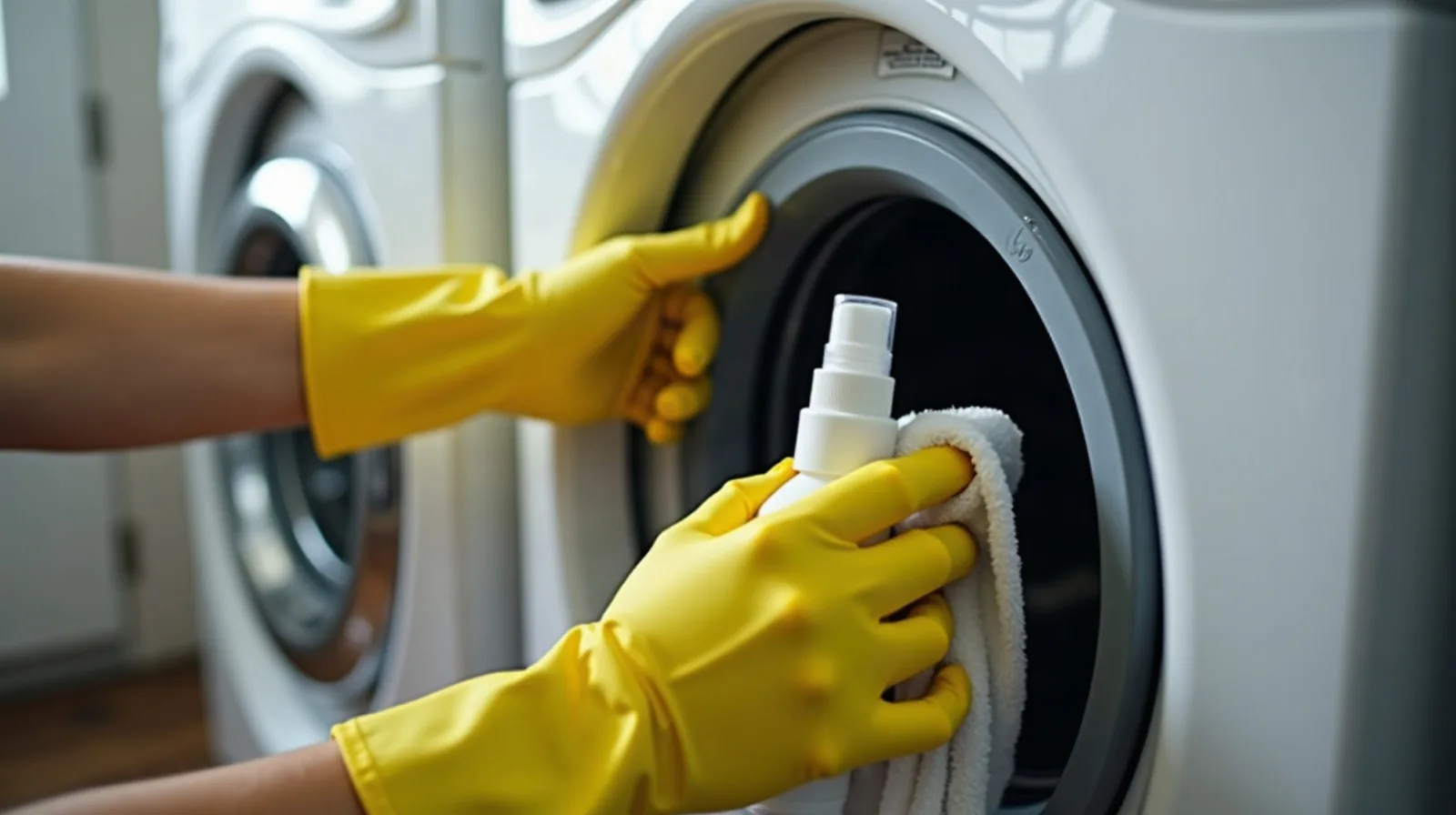
- Rubbing alcohol. The strongest of the household options. It dissolves stubborn adhesive on glass, metal, and hard plastic quickly — use a cotton pad, and wipe off promptly.
- A plastic scraper or an old gift card. Held nearly flat, it lifts softened residue without scratching. Never use a metal blade on anything except bare glass.
Finish with a damp cloth and a dry one, because solvents and oil leave a faint film that attracts dust.
Match the Method to the Surface
Most of the damage in sticker removal comes from using the right solvent on the wrong material. A quick rundown:
- Glass and mirrors: the most forgiving. Rubbing alcohol and a plastic scraper clear nearly anything, and a razor scraper held flat is safe on plain glass — but not on tinted film or coated glass.
- Painted walls and furniture: stick with oil and a soft cloth. Alcohol and strong solvents can dull or lift paint, and rubbing hard polishes a shiny patch into flat wall paint.
- Finished wood: oil first, gentle pressure, and nothing that soaks in. Alcohol can cloud a varnish or shellac finish.
- Plastic: test first. Some plastics craze, soften, or turn cloudy from alcohol, so try a hidden corner, or stay with oil and soapy water.
- Metal and stainless steel: alcohol works well; wipe with the grain and avoid abrasive pads that leave scratches.
- Fabric and upholstery: freeze the spot with an ice cube in a bag, then pick the hardened adhesive off, and treat any leftover mark as a stain.
When you’re unsure, test whatever you’re using on an out-of-sight spot for a minute first. If the surface looks the same after it’s wiped dry, it’s safe to continue.
When the Residue Won’t Budge
Old, sun-baked adhesive may need a second round rather than a stronger product. Re-warm the spot, press a solvent-soaked cloth on it for ten minutes so it has time to penetrate, and try again. A rubber eraser or a ball made from a bit of the residue itself can roll the last gummy bits up into crumbs on hard surfaces. If a decal has left a faint ghost outline on a painted wall, that’s often a patch of the paint that stayed shielded from sunlight — no amount of scrubbing removes it, and a touch-up is the cleaner answer.
It also helps to stop the problem before it starts. When you bring home something with a price tag, peel it right away while the adhesive is still fresh, and when you want a label that can come off cleanly later, choose removable stickers over permanent ones.