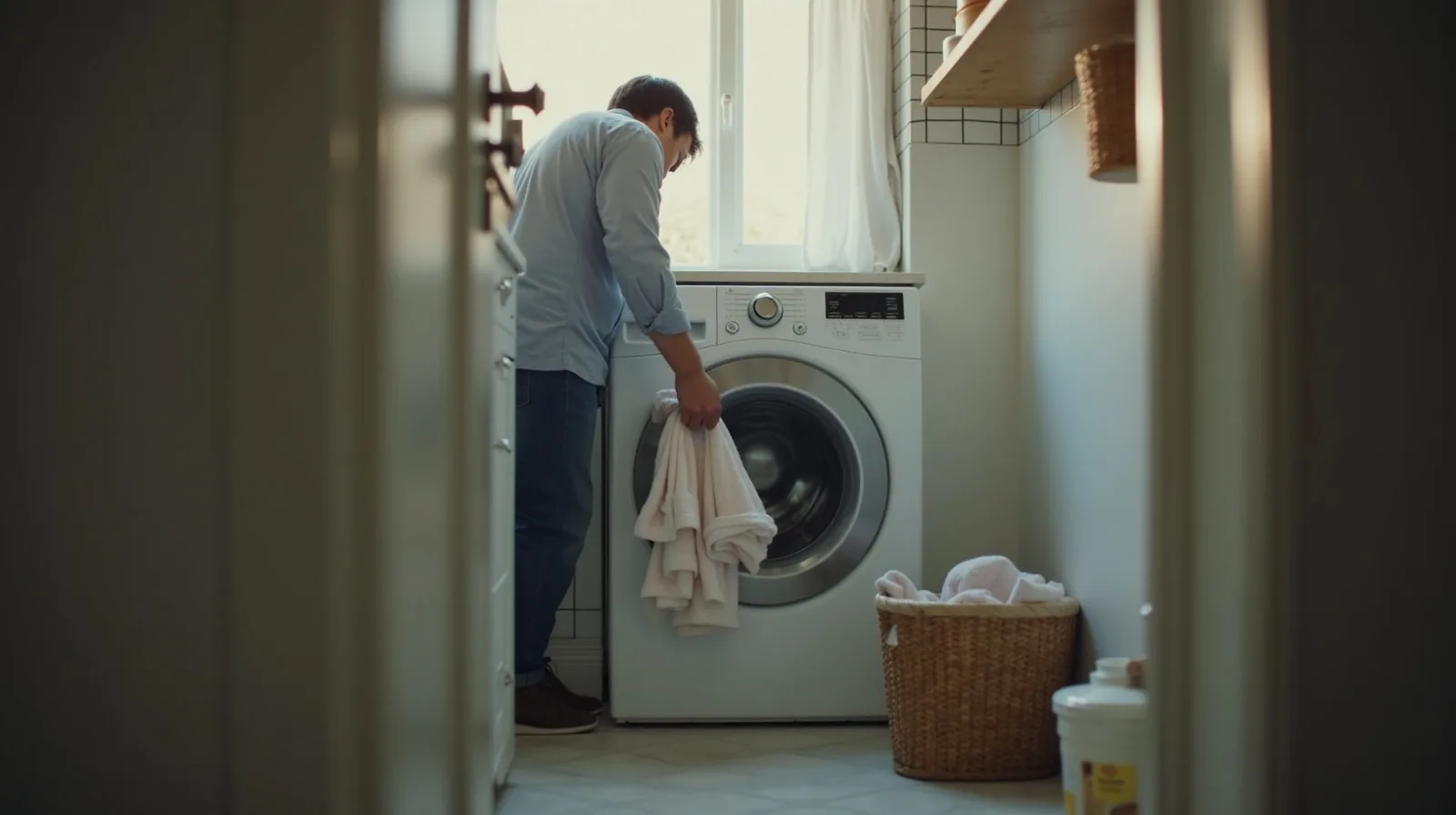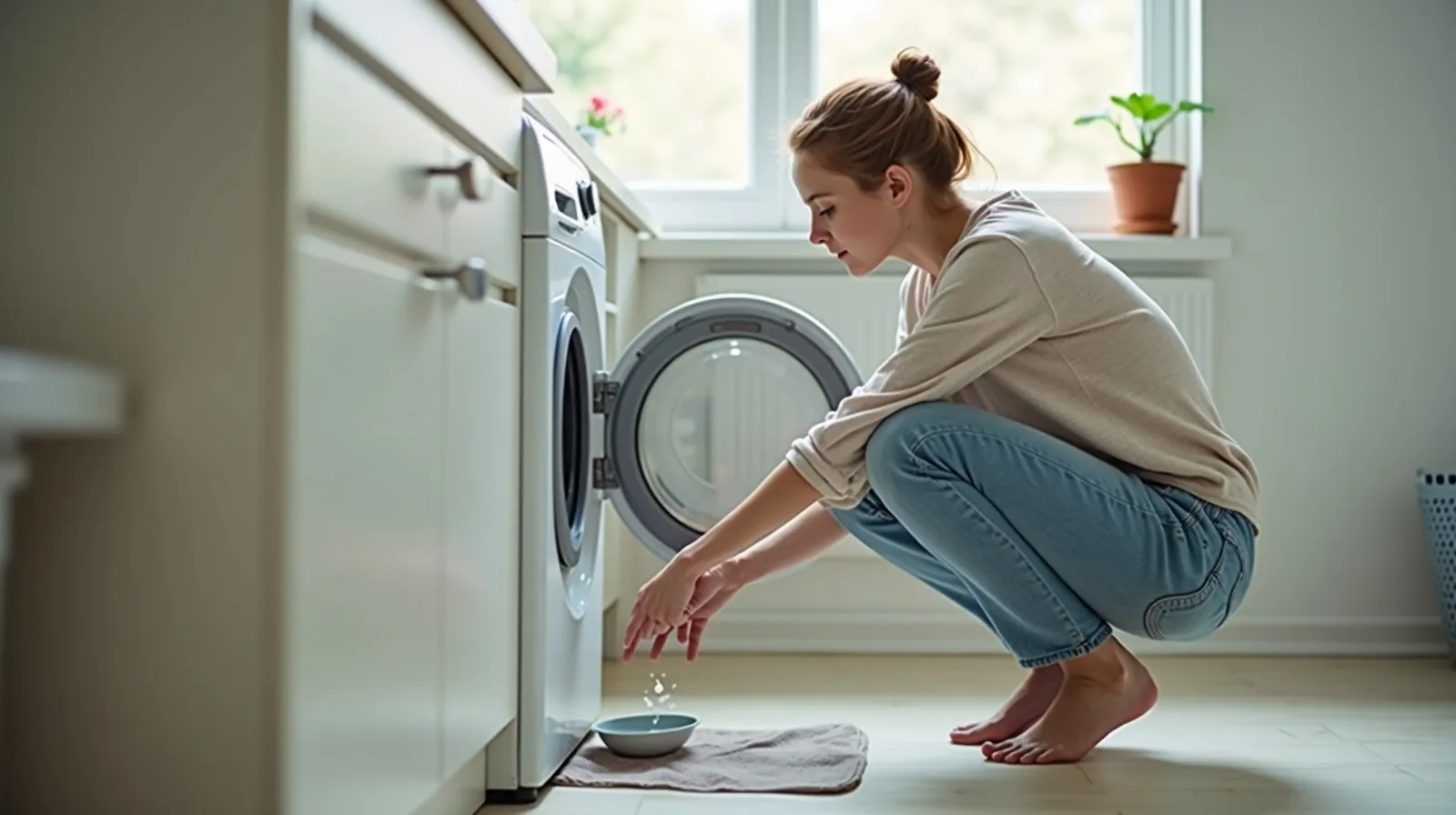
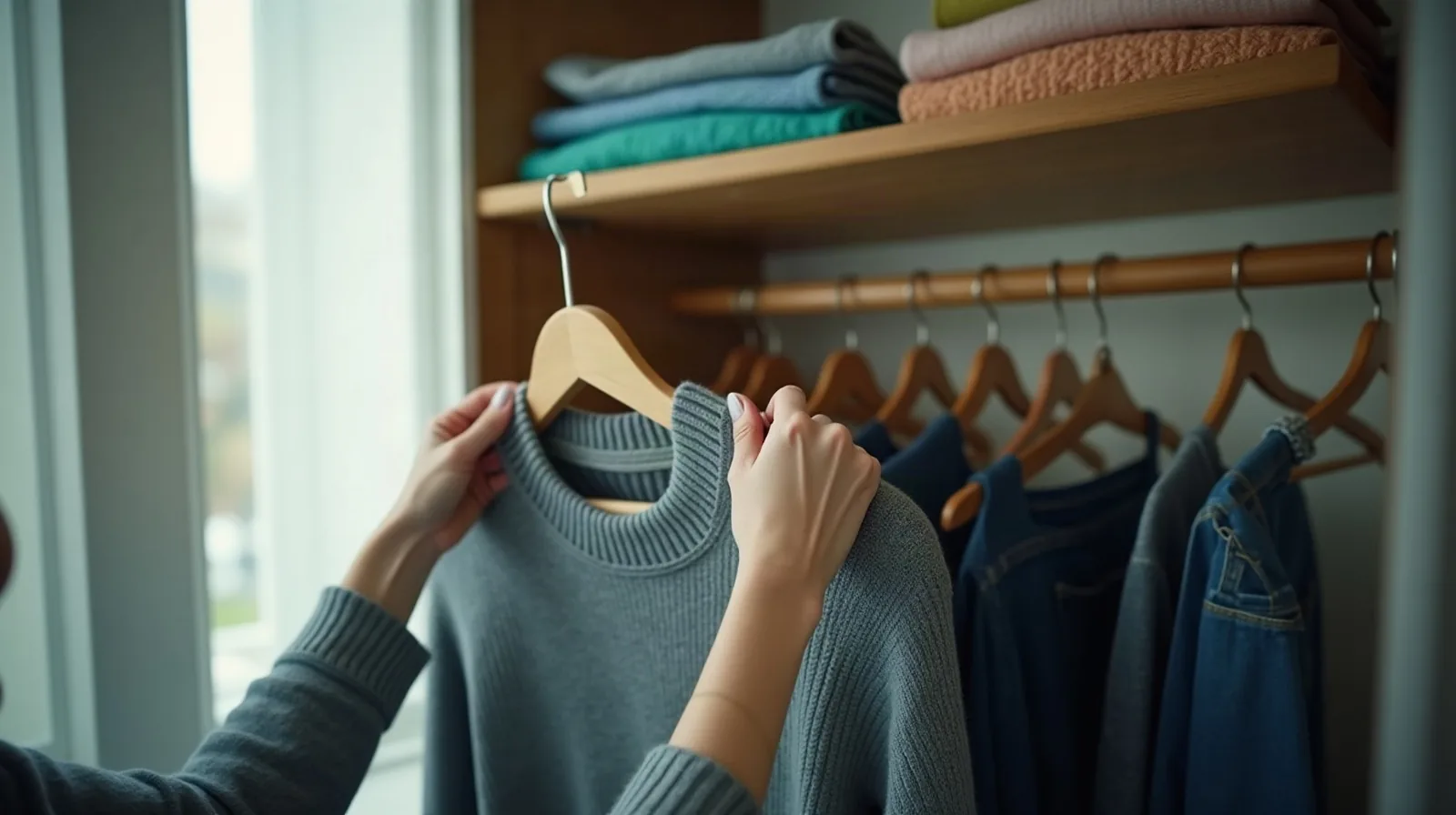
A shirt that used to look crisp starts looking tired after a few months — the collar softens, the color dulls a shade, a sweater loses its shape at the shoulders. It's tempting to blame the fabric, or decide it just wasn't made to last. Most of the time, though, none of that damage happens while the clothes are actually being worn. It happens in the wash, in the dryer, and hanging in the closet in between — three completely ordinary steps that do more to shorten a garment's life than an entire season of wear ever does.
The Wash Cycle Does Most of the Damage, Not the Wearing
Hot water is the biggest offender. It feels like it should clean better, but heat also relaxes and breaks down elastic fibers, fades dark dyes faster, and can shrink natural fibers like cotton and wool over repeated washes. Cold or warm water gets everyday laundry just as clean for the vast majority of loads, and it's gentler on nearly everything, so it's worth treating hot water as the exception — reserved for genuinely soiled loads or whatever the care tag specifically calls for — rather than the default.
Detergent amount matters more than most people assume. More isn't cleaner; it's residue. Excess detergent doesn't fully rinse out, and it builds up in the weave as a stiff, slightly abrasive film that roughens fabric and dulls color over time. Following the actual measuring line, especially with a concentrated high-efficiency formula, keeps clothes softer for longer.
Then there's what gets washed together. Zippers, hooks, buttons, and buckles left unfastened catch on softer fabrics as everything tumbles, and a load that mixes heavy items like jeans with delicate knits or lightweight tops lets the heavier pieces beat up the lighter ones for the entire cycle. An overloaded washer makes all of it worse, since clothes packed too tight can't move freely, so water and detergent don't circulate and everything rubs against everything else instead of just floating past it.
The Dryer Is Usually the Bigger Culprit
If the wash cycle stresses clothes, the dryer is what actually breaks them down. Heat is harder on fabric than water and agitation combined, and it's the single fastest way to kill elastic — waistbands, bra bands, and anything activewear-stretchy loses its recoil from dryer heat well before the fabric around it looks worn. A lower heat setting, or no heat at all for anything with elastic, buys those pieces real extra life.
The lint trap is a visible reminder of what's happening every single cycle: that fuzz is quite literally shed fabric, worn away by heat and tumbling friction. It's an unavoidable part of drying, but overdrying makes it worse — leaving a finished load sitting in a warm drum, or running a longer cycle than a load actually needs, just adds heat exposure with no benefit. Pulling clothes out as soon as the cycle ends, and using a lower heat setting paired with a couple of dryer balls to keep the load tumbling loosely instead of clumping into a dense, unevenly heated wad, both help.
Anything structured — blazers, tailored trousers, delicate knits — is generally better off skipping the dryer completely. Laying a sweater flat to air-dry, or hanging a shirt while it's still slightly damp, avoids the heat question altogether and keeps the shape the piece was cut to hold.
Storage Habits That Quietly Wear Clothes Down Between Wears
Damage doesn't stop once laundry is done. A thin wire hanger concentrates a garment's whole weight onto two small points at the shoulders, and over months that stretches out the shoulder seams of knits and structured tops alike — it's a slow stretch, invisible week to week, obvious after a year. A wider wood or padded hanger spreads that same weight out and largely prevents it; heavier knits are usually better folded on a shelf than hung at all, since even a good hanger can't stop a loose knit from sagging under its own weight.
A closet packed shoulder-to-shoulder does its own quiet damage: constant friction between pressed-together garments wears at fibers and sets in creases that never fully release. And any closet with a window that gets direct sun for part of the day will fade whatever's hanging closest to it, sometimes unevenly across a single garment, well before the rest of the piece shows any wear at all.
Clothes put away damp, or after a sweaty wear without a proper wash, carry moisture into a closed closet where it has nowhere to go. Given enough time that moisture supports mildew and a musty smell that works its way into the fibers themselves, which is a separate problem from ordinary wear but one that starts the same way: something going into storage before it's actually ready to.
The Small Routine That Actually Extends a Garment's Life
A handful of habits cover almost everything above. Turn printed or dark-colored items inside out before washing, so friction and fading happen on the inner face instead of the one that shows. Treat a stain the moment it happens rather than letting a load go through a hot dryer cycle first — heat sets a stain permanently, turning something that would have come out with a second wash into a permanent mark. Use a mesh laundry bag for anything with hooks, delicate straps, or a lot of loose trim, so it stops catching on everything else in the load.
Rotating what actually gets worn helps too. A wardrobe where the same five favorites get grabbed every week wears those five out years faster than a closet where everything gets roughly even use, so an occasional deliberate reach for something further back in the rotation isn't just refreshing — it's genuinely load-balancing the wear.
What's Not Worth Worrying About
Not every laundry habit deserves equal attention. Pre-washing brand-new jeans before the first wear, ironing every wrinkle out of casual clothes, or hand-washing something a care tag says is machine-safe are all fine to skip — they're precautions built for edge cases, not everyday risk. Some fading and softening over years of normal washing is also just the expected lifecycle of fabric, not a sign that something's being ruined. The habits that actually move the needle are the handful above: less heat, the right hanger, out of direct sun, and stains treated before they hit a hot dryer. Getting those right matters far more than chasing every laundry rule that's ever circulated.