Subscribe-and-save discounts, meal kits, and curated boxes all start the same way: a genuinely useful convenience that saves a trip to the store or introduces something you wouldn’t have picked yourself. But recurring physical deliveries have a way of outlasting their usefulness quietly — the shipment keeps arriving on schedule long after the reason you signed up has faded, and the boxes start stacking up faster than you use what’s inside. Unlike a forgotten app subscription that just drains a bank account unseen, this version clutters an actual entryway, and a stack of unopened boxes is a much harder thing to ignore than a line item on a statement. A simple twice-a-year audit keeps it in check before it becomes either problem.
List every recurring shipment
Start by writing down every physical item that arrives on autopilot — not things you order occasionally, but anything on an automatic schedule: subscribe-and-save grocery or household items, meal kits, curated subscription boxes, pet supply autoships, razor or grooming refills, and anything else that shows up whether or not you asked for it that particular week. Most people find more of these than they expect once they actually list them out, because each one was a five-second signup that never resurfaced for reconsideration. Checking a few months of email confirmations or the “subscriptions” section of the retailers you order from most often is usually the fastest way to catch anything memory alone would miss.
Judge use versus waste, honestly
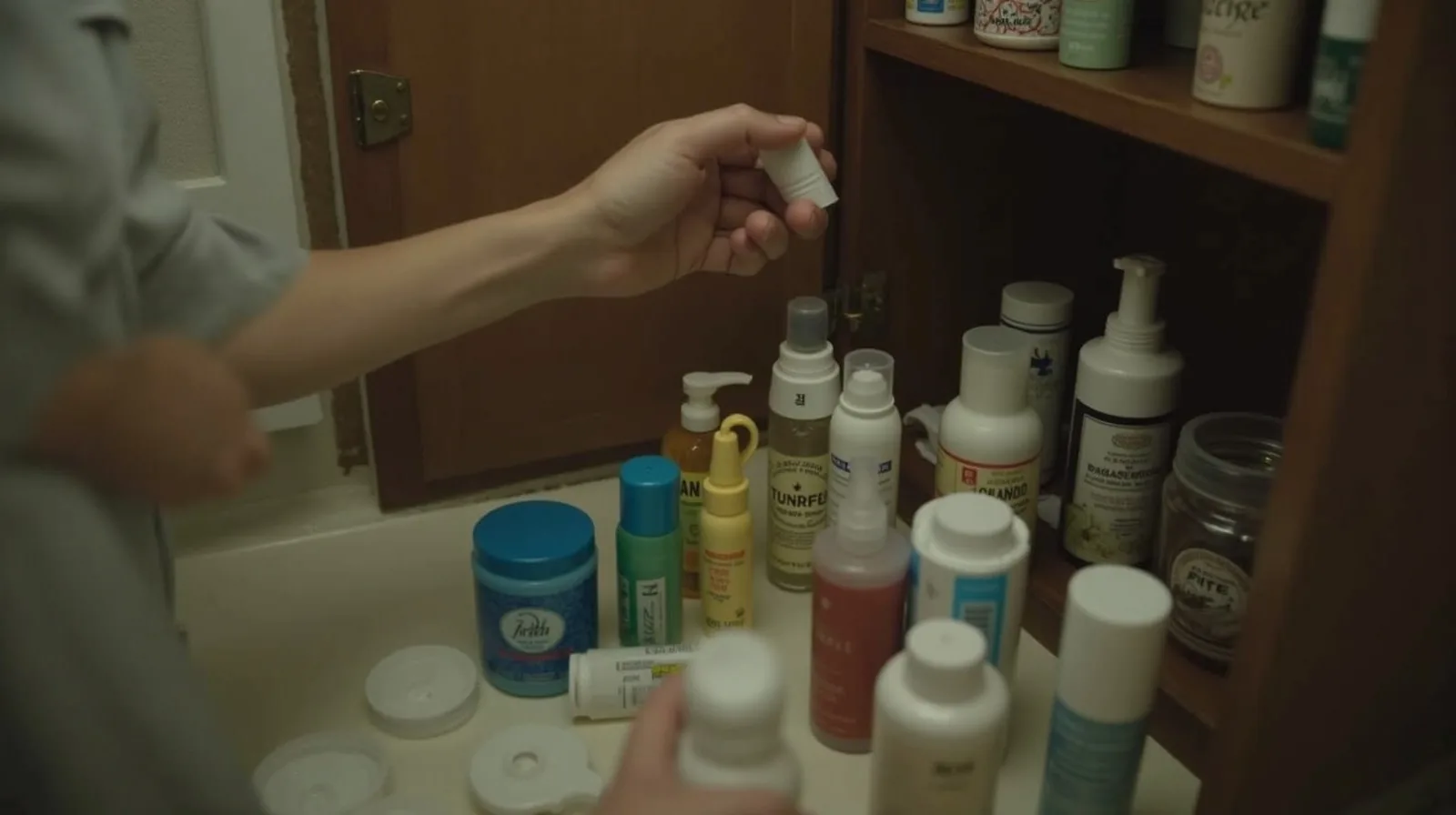
For each item on the list, ask one blunt question: is it being used before the next one arrives, or is it piling up? Look for the physical evidence — an unopened box from two shipments ago, a pantry shelf with three duplicates of something you use slowly, a drawer with more refills than you’ll get through this year, or a closet corner that’s quietly become the place unopened boxes go to wait. It helps to be specific rather than going on a general feeling:
- Fully used before the next delivery. Keep it as-is — the frequency is matched to actual consumption.
- Partially used, some left over. A candidate for slowing the frequency rather than cancelling outright.
- Unopened or barely touched. A clear signal to pause or cancel — the convenience has flipped into clutter.
Doing this walkthrough with the whole household, if others share the space, tends to surface things one person alone would miss — someone else may know a supply is being used up faster than it looks, or admit a box hasn’t been opened once since it started arriving.
Right-size before you cancel
Cancelling isn’t always the right move — often the item itself is still wanted, just not at the current pace. Most subscribe-and-save and meal-kit services let you adjust frequency without ending the subscription entirely, which is worth doing before jumping to cancellation. Stretching a delivery from every two weeks to every six weeks, or dropping a meal kit from five dinners a week to two, often turns an overflowing shelf back into a normal one without losing the parts of the service that were actually useful. Many services will also let you skip a single upcoming shipment without cancelling anything, which is worth using liberally when you can already see the shelf is still full from last time.
Cancel the dead weight and consolidate
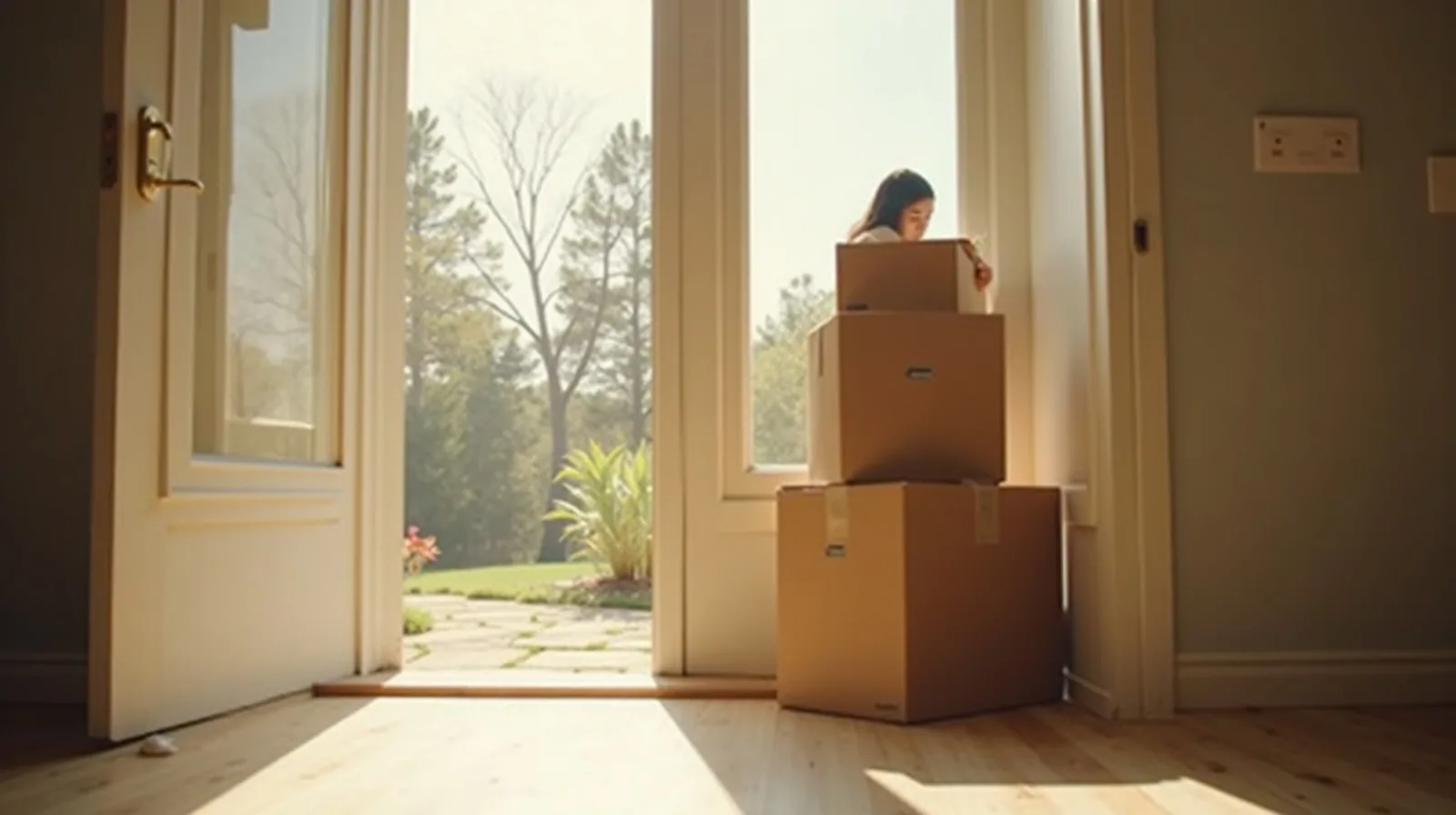
For anything landing in the “unopened or barely touched” category, cancel it outright rather than telling yourself you’ll use it up eventually — that mindset is exactly how the stack got as tall as it is. It’s also worth looking across the full list for overlap: two different services quietly sending similar household items on staggered schedules is easy to miss until they’re listed side by side, and consolidating into one reduces both the box count and the mental load of tracking multiple accounts. Set a recurring reminder to repeat this audit in six months — needs shift, and a service that’s well-matched today may drift out of sync again by then. Tie the reminder to something you already do twice a year, like a seasonal closet swap or a change of clocks, so the audit rides along with an existing habit instead of becoming one more thing to remember on its own.