Most kitchens are quietly stockpiling food that never gets used — a half bag of rice pushed to the back, a container of something frozen months ago, a few jars of a sauce bought for a recipe made once. A pantry challenge is a deliberate week, or two, of building meals almost entirely from what’s already there, before the next grocery trip. It’s less a diet and more a game of shopping your own kitchen first. Households that try it once tend to be surprised twice over — first by how much food was already on hand, and then by how many meals it was actually enough for.
Take stock before you plan anything
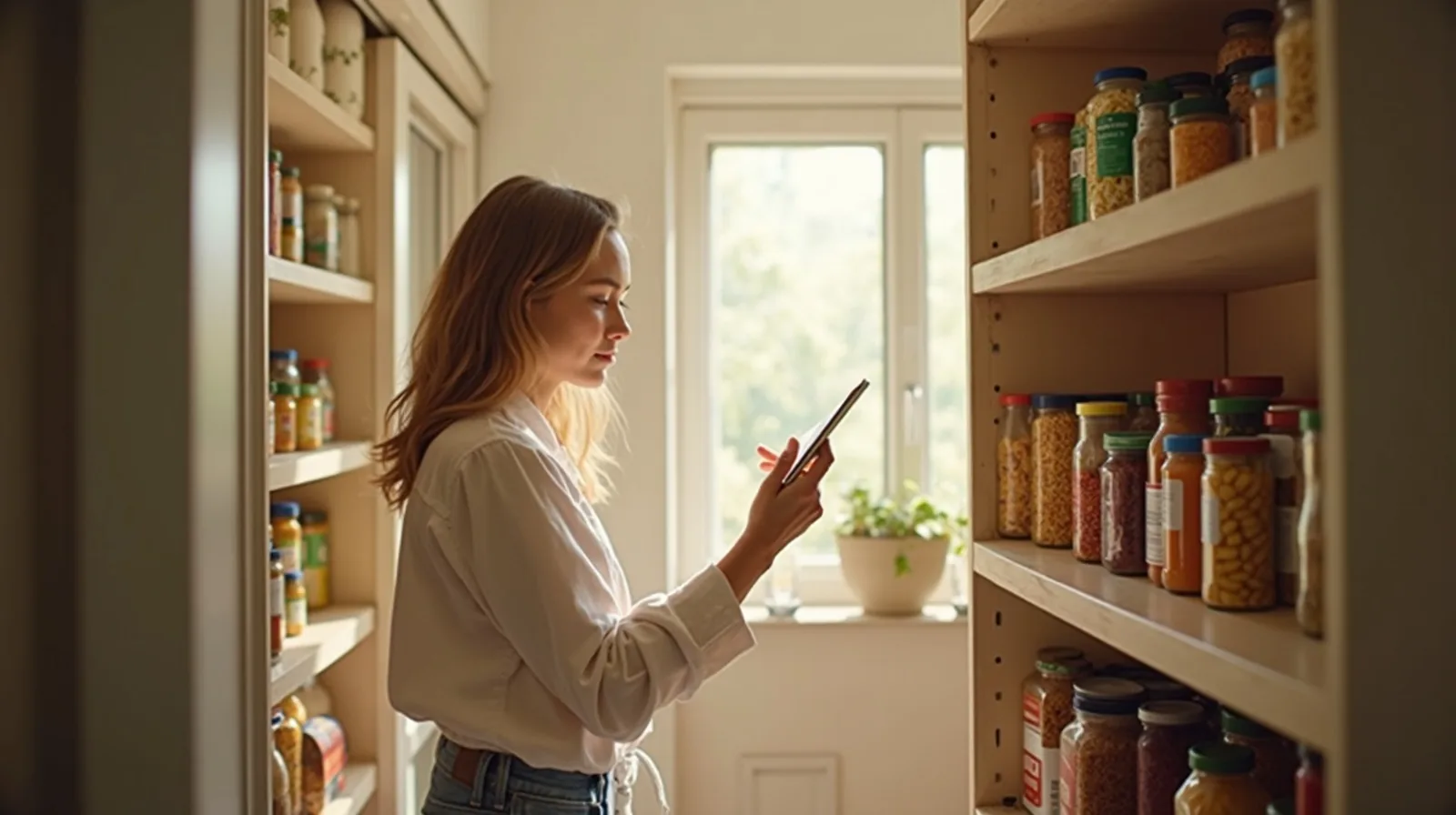
The challenge starts with an honest inventory, not a meal plan. Go through the pantry, fridge, and freezer and actually look at what’s there — not just the obvious front-shelf items but the back of the cabinet and the bottom of the freezer, where things get forgotten. Write it down, grouped roughly by type: proteins, grains and pasta, canned goods, vegetables, sauces and condiments. This step alone is often the most useful part, because it surfaces things you’d forgotten you owned and reminds you what actually needs using before it goes bad or expires. It’s worth doing this on paper or in a notes app rather than trying to hold it all in your head — a written list is what you’ll actually refer back to while planning meals over the following days, instead of re-opening the fridge and cabinets to check every time.
- Check dates first. Anything close to expiring becomes the priority ingredient for the first couple of meals.
- Note the freezer separately. Frozen items keep longer but are the easiest to forget entirely — they deserve their own look.
- Be honest about quantity. A jar that’s mostly empty is worth using up and not restocking yet.
Plan meals around what needs using, not a recipe
Instead of picking recipes and then shopping for their ingredients, flip the order: look at what needs to be used up and build meals around it. A half bag of rice, a can of beans, and a few wilting vegetables can become a stir-fry or a grain bowl; a container of frozen meat pairs with pantry staples for a simple one-pot dinner. This takes a little more improvisation than following a recipe exactly, but it’s also where the real savings live — every meal built this way is a meal you didn’t buy new ingredients for. It helps to plan just two or three days at a time rather than the whole week up front, since new combinations reveal themselves once a few items are used up. A loose theme for each night — a grain bowl, a soup, a stir-fry, a one-pan bake — also makes the improvising easier, since it gives whatever’s left in the pantry a template to fit into rather than leaving you staring at ingredients with no starting point.
Fill only the small gaps
A pantry challenge isn’t a strict no-shopping rule — it’s a shift in what you’re shopping for. If a meal idea is nearly complete except for one perishable item, like fresh bread or a dozen eggs, buying that one thing is fine and expected. The goal is keeping the grocery list small and specific rather than doing a full normal shop that restocks everything, including the things you already have plenty of. This distinction is what makes the challenge sustainable for a full week instead of feeling like deprivation — you’re not avoiding the store, you’re avoiding buying what you already own.
What it actually saves, and doing it on repeat
The savings come from two directions at once: the grocery bill for that week drops sharply since most of the ingredients are already paid for, and less food ends up thrown out, since a pantry challenge is really a structured way of using things up before they expire. Many households find they can go a full week, sometimes closer to two, before a real gap forces a normal shopping trip. Running this periodically — once a month, or whenever the pantry starts feeling overstuffed — keeps stockpiled food from quietly accumulating in the first place and resets the grocery budget on a regular rhythm rather than letting it drift upward unnoticed.