Motion sickness comes down to a mismatch between what your inner ear feels and what your eyes see — the body senses movement while the eyes, especially fixed on a phone or a book, report that everything is still. The brain interprets that conflict as a signal something is wrong, and nausea follows. Understanding that mismatch is what makes the fixes make sense, and the right fix changes depending on whether you’re in a car, on a boat, or on a plane, since each one creates a slightly different version of the same underlying conflict.
Why motion sickness happens
The inner ear’s balance system tracks acceleration and rotation constantly, even when you’re not paying attention to it. When the eyes are looking at something that isn’t moving relative to you — a phone screen, a book, the back of a seat — but the inner ear is registering the sway of a car or the pitch of a boat, the two signals disagree, and that disagreement is what the body reads as nausea. The fix in almost every case is the same principle: give the eyes a moving reference that matches what the inner ear already feels, usually the horizon.
This is also why passengers get sick far more often than drivers, and why it tends to creep up gradually rather than all at once — the mismatch has to build for a while before the body registers it strongly enough to cause real discomfort. Catching it early, at the first hint of queasiness, makes every other fix work faster than waiting until it’s already severe.
Best seat and habits by mode: car, boat, plane
Each mode of travel has a spot and a habit that minimizes the mismatch.
- In a car, the front passenger seat helps because it faces the direction of travel and offers a clear view of the road ahead; gazing at a fixed point on the horizon, cracking a window for fresh air, and driving yourself if possible all reduce symptoms, since the driver’s brain naturally anticipates the car’s movement.
- On a boat, the mid-ship, lower-deck area moves the least of anywhere on board, and standing on deck with a clear horizon view beats sitting below in a cabin with no outside reference at all.
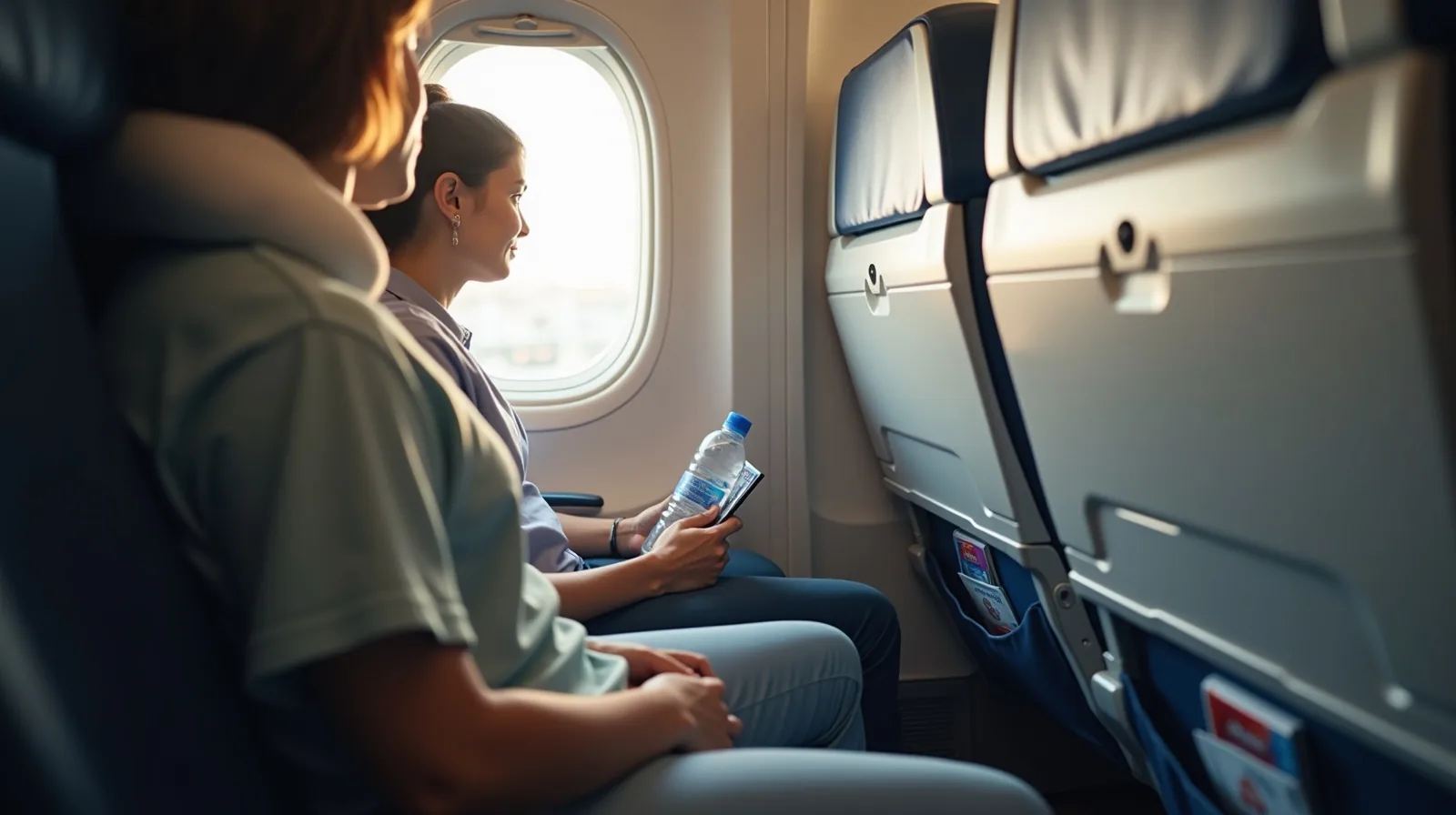
- On a plane, a seat over the wing sits closest to the aircraft’s center of gravity, where turbulence and pitch are felt least; a window seat with a view out also gives the eyes something to anchor to.
- Across every mode, reclining the seat slightly and keeping the head as still as possible reduces how much conflicting motion the inner ear has to process in the first place.
Remedies that actually help
Beyond seat choice, a handful of remedies have real support behind them. Ginger, in candy, tea, or capsule form, settles the stomach for many people and has the advantage of being simple and generally well tolerated. Acupressure bands worn at the wrist work for some travelers, though the evidence is mixed. Over-the-counter and prescription motion sickness medications are the most reliable option for anyone with a history of severe symptoms, but they work far better taken thirty to sixty minutes before travel begins than after nausea has already set in — timing matters as much as the remedy itself.
Fresh, moving air helps more than most people expect, whether that’s a cracked car window, a spot on a boat’s open deck, or a plane’s overhead air vent turned toward the face. A stuffy, still cabin does nothing to resolve the sensory mismatch and often makes it worse, especially combined with strong food smells or a warm interior.
Traveling with kids, and food to favor or avoid
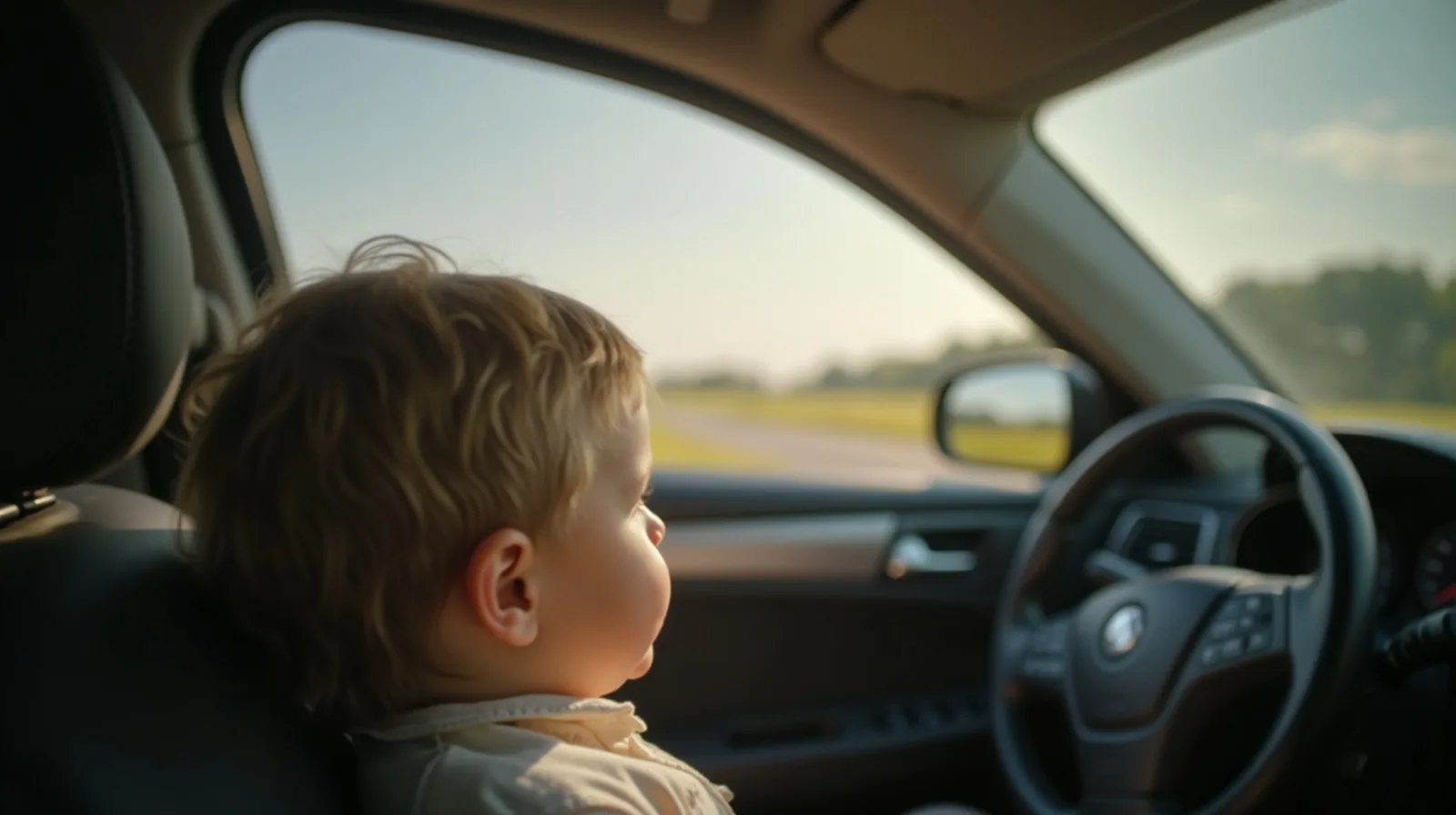
Children are more prone to motion sickness than adults, partly because their inner ear system is still developing and partly because they’re more likely to be looking down at a screen or a book instead of out the window. Frequent breaks on a long car trip, cool fresh air, and a firm limit on screen time during the drive — distraction is fine, but a screen actively fights the fix — all help more with kids than any remedy does.
Food matters too, regardless of age. A light meal beforehand is better than either an empty stomach or a heavy one, and bland, easy foods — crackers, plain bread, a banana — sit better than anything greasy, spicy, or strongly flavored, which tends to make queasiness worse once it starts.