
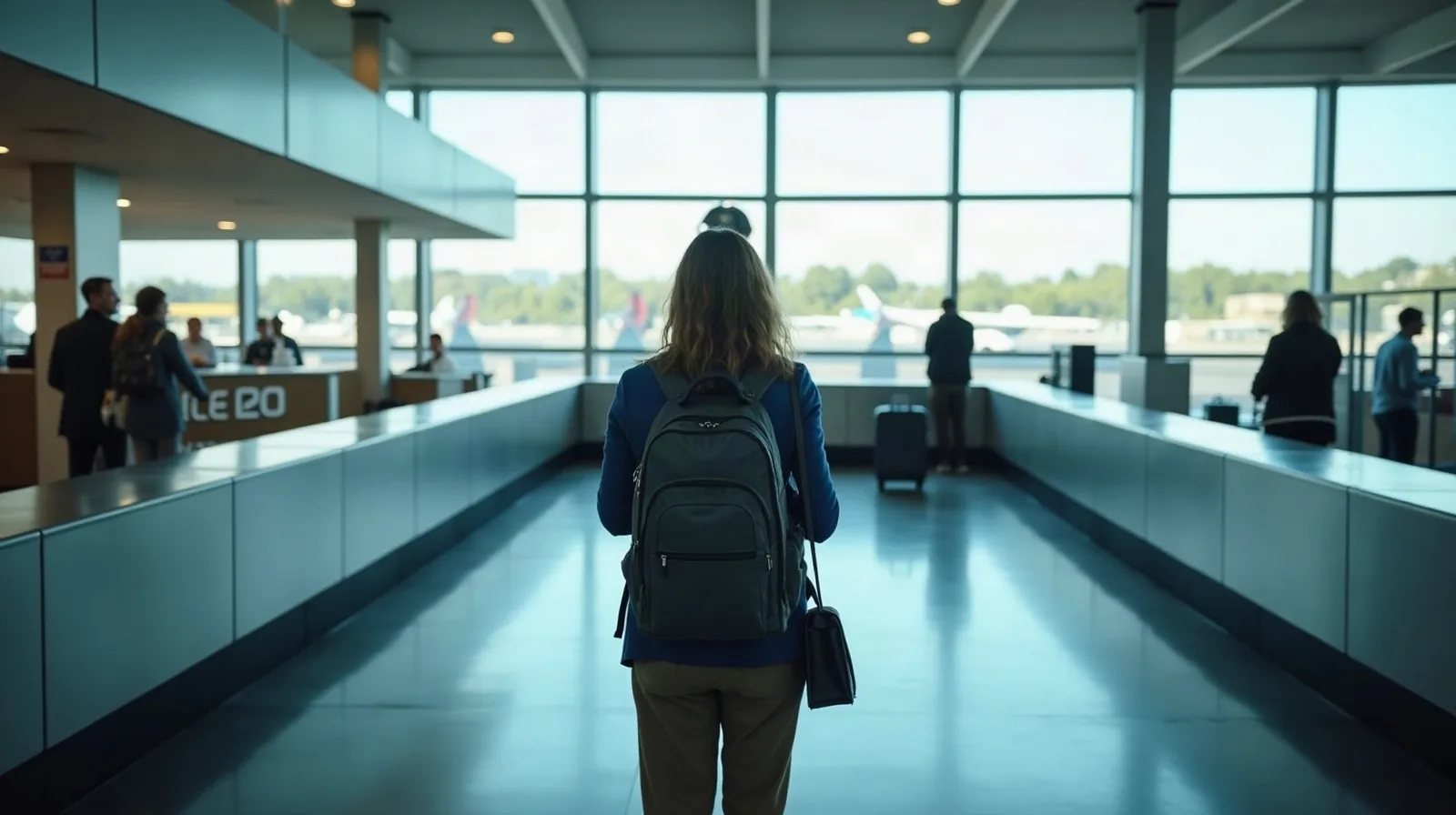
Standing at an empty baggage carousel while the belt grinds to a stop is a particular kind of dread. The good news is that the vast majority of delayed bags show up within a day or two. The less obvious news is that how fast you get yours back — and whether you get repaid for what you had to buy in the meantime — depends on a few things you do in the first hour, before you ever leave the airport.
This is the order to do them in.
Confirm It’s Really Missing
Before you declare anything, spend two minutes ruling out the easy explanations. Bags sometimes arrive on a different carousel than the one listed, and the last bags off a plane can take a surprisingly long time.
- Check the display again. Flights get reassigned to a different belt mid-unloading.
- Look for the oversize and odd-item area. Strollers, golf bags, skis, and anything bulky usually come out somewhere else entirely.
- Wait until the belt stops. If every other passenger from your flight has left and the belt is empty, it’s time to move.
File the Report Before You Leave the Building
This is the step that matters most. Go to the baggage service office or desk for your airline — usually near the carousels — and file a report in person, before leaving the airport. Claims started afterward are harder to prove, and some airlines expect the report within hours of arrival.
- Bring your baggage claim tag. It’s the small sticker stub attached to your boarding pass or ticket jacket when you checked in. It carries the number that identifies your bag in the system.
- Describe the bag precisely. Color, size, type (hard or soft shell), wheels, and any distinguishing marks like a ribbon, strap, or scuff. A photo on your phone is worth a paragraph of description.
- List what’s inside. Not an inventory of every sock — the major items and anything valuable or essential, like medication.
- Give a delivery address and a phone number you’ll answer. If you’re traveling, use where you’ll be sleeping tonight, not home.
- Leave with a reference number. Ask for a copy of the report or a photo of it. That number is your key for every follow-up.
If the desk is closed or unstaffed — common on late arrivals — ask any airline employee for the process and take a photo of whatever you’re told, including a name and a phone number. Then file online the moment you can.
Ask Three Questions at the Desk
The agent is tired and the line is long, but three questions are worth the time, and they change what you can expect.
- Where is the bag right now? Often it’s still showing in the tracking system, and the agent can tell you whether it’s on a later flight.
- How will it be returned? Most airlines deliver to your address, but some expect you to collect it. Confirm which.
- Is there a limit on the interim expenses? Many airlines will reimburse reasonable necessities while your bag is delayed, and some hand out a small kit or a set amount on the spot. Ask what’s covered and what proof is required.
Cover the Gap: Essentials and Receipts
If your bag isn’t coming tonight, you’ll need a few basics to get through until it does. Buy what you genuinely need — not a new wardrobe — and keep every receipt.
- Buy necessities first. A toothbrush, toiletries, a change of underwear and a shirt, a phone charger, and any medication you can’t go without.
- Photograph each receipt right away and keep the paper copy too. Receipts fade and get lost faster than any suitcase.
- Keep a simple note of what you bought and why. It makes the claim form a five-minute job instead of a puzzle.
- Don’t overspend. Reimbursement is for reasonable items. A $15 shirt is easy to defend; a $200 outfit probably isn’t.
If you booked with a credit card, check whether its travel benefits include delayed-baggage coverage. Some do, and it can stack with the airline’s payment or kick in after a shorter delay. The same goes for travel insurance if you bought it.
Follow Up Without Being a Pest
Once the report is filed, most of the work is a short routine rather than constant calling.
- Track it online. Most airlines let you check status with your reference number and last name. Check once a day rather than hourly.
- Use the app or messaging channel if there is one. It’s often faster than waiting on hold, and it leaves a written record.
- Write down who you spoke with and when. A date and a name carry weight if the claim gets stuck.
- Expect a few days of slack. Bags that miss a connection usually catch up on the next flight, and delivery to your door can add another day.
Know the Deadlines
Airlines set time limits, and they’re strict. Report deadlines are short, often within hours of arrival for damage and within a week for delay. Claim deadlines for reimbursement can be as short as three weeks, though some stretch to several months. Check your airline’s own policy page, and put the date on your calendar the day you get home.
If a bag is still missing after a couple of weeks, it’s typically treated as lost, and the claim shifts to compensating you for the bag and its contents. This is where the description you gave and any proof of value — receipts, order confirmations, or photos — matter most. Compensation is usually capped by rules that vary by country and carrier, so don’t count on full replacement cost.
If the Bag Arrives Damaged
Damage is handled differently from delay, and the clock is shorter.
- Report it before you leave the airport. Take photos of the damage and the bag where it stands.
- Keep the bag and the tag. Don’t throw anything away until the claim closes.
- Know what’s typically covered. Broken wheels, handles, straps, and zippers are usually accepted. Normal scuffs and wear generally aren’t.
- Stolen contents are a different path. Items missing from a bag are a police and airline matter, so report both.
Make Your Next Trip Easier
A little prep makes every future problem smaller.
- Tag the inside, too. Slip a card with your name and phone number inside the bag, since outside tags can get torn off.
- Photograph the bag before you check it. It gives you a clear description and proof of condition.
- Carry the irreplaceable. Medication, documents, chargers, and one change of clothes belong in your carry-on.
- Keep your tag stub safe. Take a photo of it before you leave the check-in desk.