A delay or cancellation feels like something that just happens to you — a screen flips red, an announcement crackles overhead, and a couple hundred people all reach for their phones at once. But how the next few hours go depends almost entirely on what you do in the first few minutes, not on luck or on how nicely you ask at the counter. The travelers who get rebooked fastest aren’t the ones who wait patiently in line; they’re the ones who start working the problem before most of the plane has even noticed there is one.
The first sixty seconds matter more than the next hour
The instinct when a flight flips to delayed or canceled is to walk toward a human — the gate desk, the service counter, whoever looks like they might have an answer. That instinct is usually the slowest possible move. Airline apps push rebooking options to your phone the moment a flight is disrupted, often before a single gate agent has finished making the announcement, and that same screen lets you actually confirm a new seat instead of waiting for a face-to-face conversation. Open the app first. Look for a rebooking prompt or a “flight status” alert, and if one shows alternate flights, tap through it before you do anything else. Every minute spent walking toward a line is a minute someone else spends claiming one of the limited seats on the next available flight.
Work three channels at once, not one
If the app doesn’t offer a clean rebooking option, don’t commit to a single path and wait it out. Call the airline’s reservations line while you’re still walking toward the gate desk — phone agents aren’t competing with a crowd standing in front of them, so a call often moves faster than an in-person line during a widespread disruption. At the same time, check whether the airline offers rebooking through a chat feature in its app or website, and if you use social media, a direct message to the airline’s support account can occasionally get a response faster than any of the above during a bad weather day. Get in the physical line too, purely as a backup. Whichever channel actually produces a confirmed new seat first wins; the moment you’re rebooked, drop out of the others so you’re not tying up an agent’s time on a seat you no longer need.
Know what you’re actually owed
What an airline owes you depends heavily on why the flight was disrupted. A cancellation or long delay caused by something within the airline’s own control — a mechanical issue, a crew scheduling problem, an IT outage — typically comes with stronger obligations: rebooking you on the next available flight at no extra cost, sometimes including a seat on a different airline, plus meal or hotel accommodation if you’re stuck overnight because of it. A delay caused by weather, air traffic control restrictions, or a security event is usually treated as outside anyone’s control, which generally still gets you rebooked for free but rarely comes with meal or hotel compensation. The exact rules vary by airline and by country, and shift again for international routes, so it’s worth knowing a few questions to ask whoever you reach:
- “Is this delay or cancellation within the airline’s control?” The answer determines almost everything else you can ask for.
- “What’s the next available flight, including on a partner or other airline?” Don’t assume the only option is the airline’s own next departure.
- “Am I entitled to a meal or hotel voucher?” If yes, ask for it in writing or as a code before you walk away from the counter.
Consider booking your own way out
Sometimes the fastest fix isn’t rebooking through the airline at all. If the wait stretches into many hours, or the next available seat is a day or two out, it can be cheaper overall to buy a one-way ticket yourself on a different route or a different airline and pursue a refund for the unused part of your original ticket afterward. Do the quick math before you commit: compare the price of a new ticket against what the lost time is actually costing you — a missed connection, a nonrefundable hotel night, a day of lost work or a missed event. Keep every boarding pass, receipt, and screenshot of the disruption; you’ll want them when you file for reimbursement. This move only makes sense once you’ve confirmed the airline genuinely can’t get you there faster on its own dime — check first, buy second.
Prep for a stranded night before you’re actually stranded
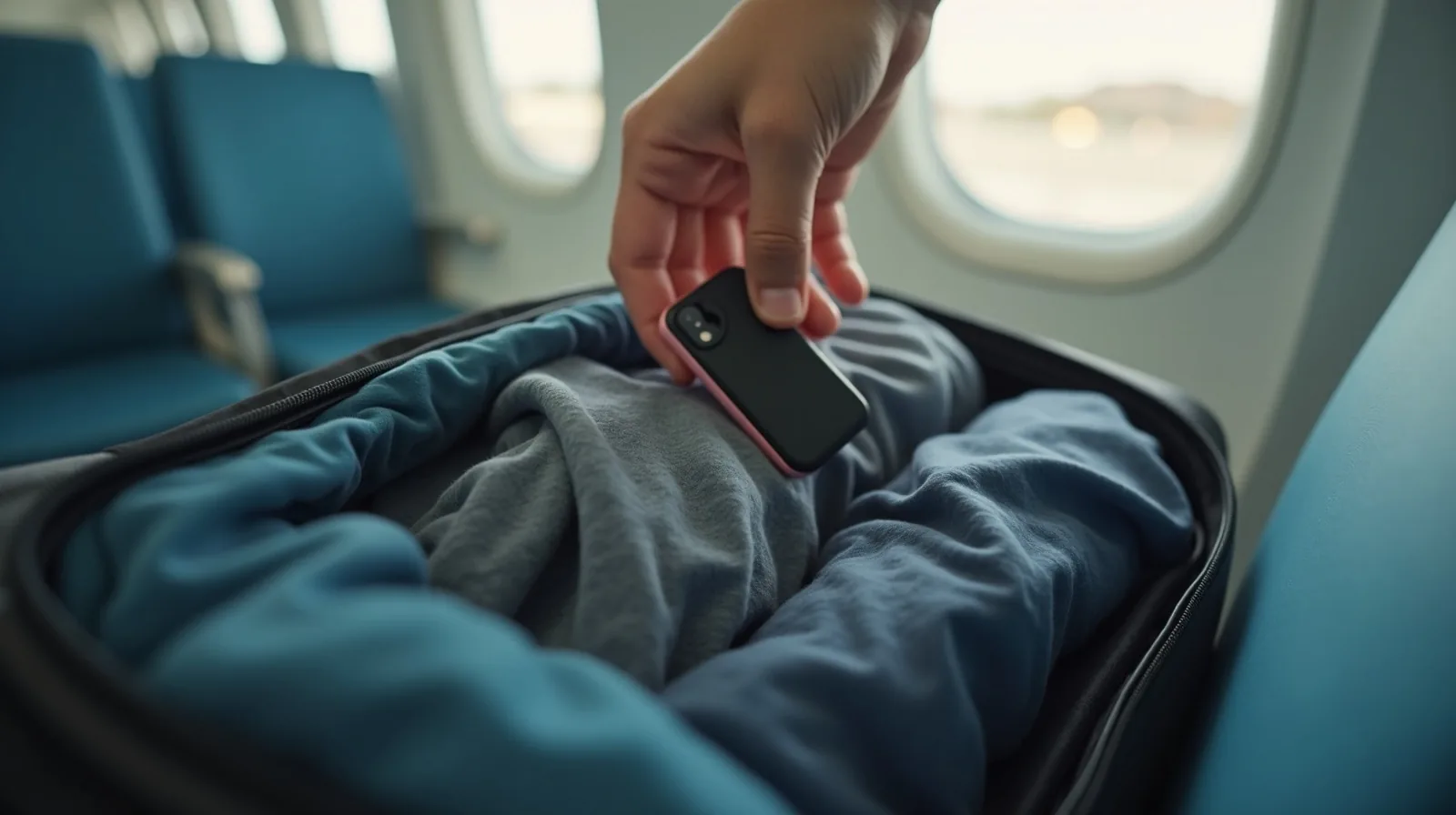
A few things in your personal item make an overnight disruption far less miserable: a charging cable and a portable battery, any daily medication in its original packaging, a basic change of essentials, and an offline copy of your itinerary and confirmation numbers in case the app won’t load on airport Wi-Fi. If it looks like you’ll be stuck overnight, ask for a meal and hotel voucher proactively rather than waiting to be offered one — the line for vouchers moves slowly, and travelers who ask early often get handled before the rush. If that line is long and a room is available nearby, booking it yourself and keeping the receipt for reimbursement later is often faster than waiting. For a shorter overnight stretch, a day-use hotel room or an airport lounge day pass can be worth more than a free voucher you’d have to wait an hour to receive.
The habits that make the next delay easier
Most of what makes a disruption manageable happens before you ever get to the airport. Screenshot your full itinerary and confirmation numbers so they’re readable offline the moment Wi-Fi gets unreliable. Know one or two alternate airports near your home and your destination — a rebooking agent can sometimes route you through one faster than waiting for a seat on the original route. Turn on text or push alerts for your flight as soon as you book, so you hear about a delay before you’ve even left for the airport. And if you bought travel insurance or booked with a card that includes delay coverage, read what it actually covers before you need it — reimbursement rules and required documentation are far easier to handle calmly at home than while standing at a gate.