A drop of tomato sauce lands on a white shirt, and the instinct is to scrub it hard or toss it in the wash and hope. Both are the wrong move. Stains are less about the product you use and more about what you do in the first few minutes — and what you don’t do before the spot is gone.
This guide gives you a routine that works on almost any fresh stain, a short cheat sheet that matches common stains to the right treatment, and a plan for the ones that have already set.
Why Stains Stick
Fabric fibers are a sponge. A stain is a pigment, oil, or protein that has soaked into those fibers and, over time, bonded to them. Two things make it permanent: time, which lets it sink in and dry, and heat, which can chemically set many stains into the cloth. A hot dryer, an iron, or even hot wash water can turn a removable spot into a permanent one.
That’s why the single best habit is also the simplest: deal with it while it’s fresh, and keep it away from heat until you’ve checked that it’s gone.
The First-Five-Minutes Routine
This works on most everyday spills, and every step has a reason behind it.
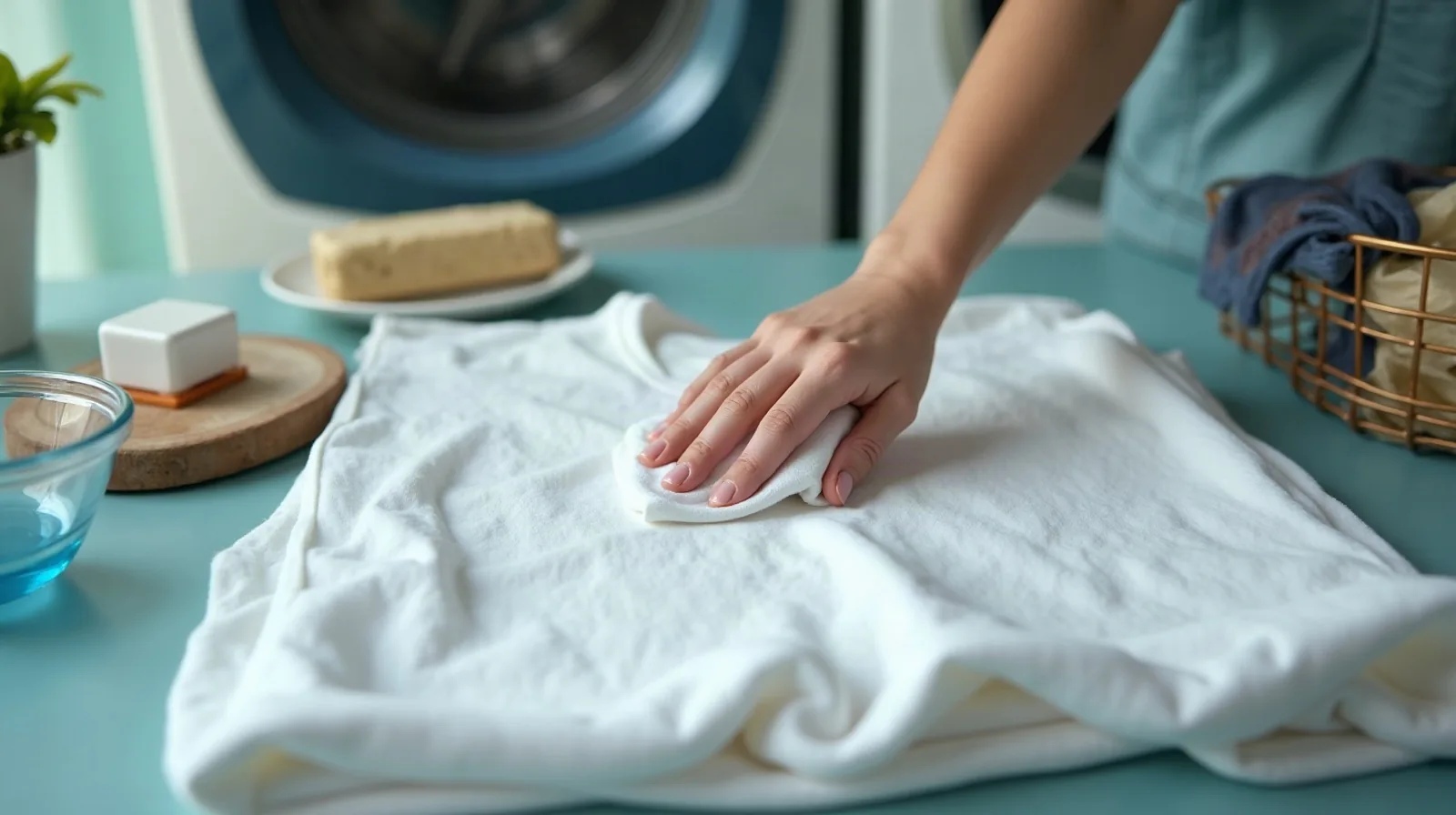
- Blot, don’t rub. Press a clean cloth or paper towel on the spot to lift off what’s sitting on the surface. Rubbing grinds the stain deeper and spreads it. For something thick, like mustard or mud, lift the excess with the back of a spoon first.
- Flush from the back. Turn the garment over and run cool water through the stained area, so the stain is pushed out the way it came in rather than deeper into the fabric.
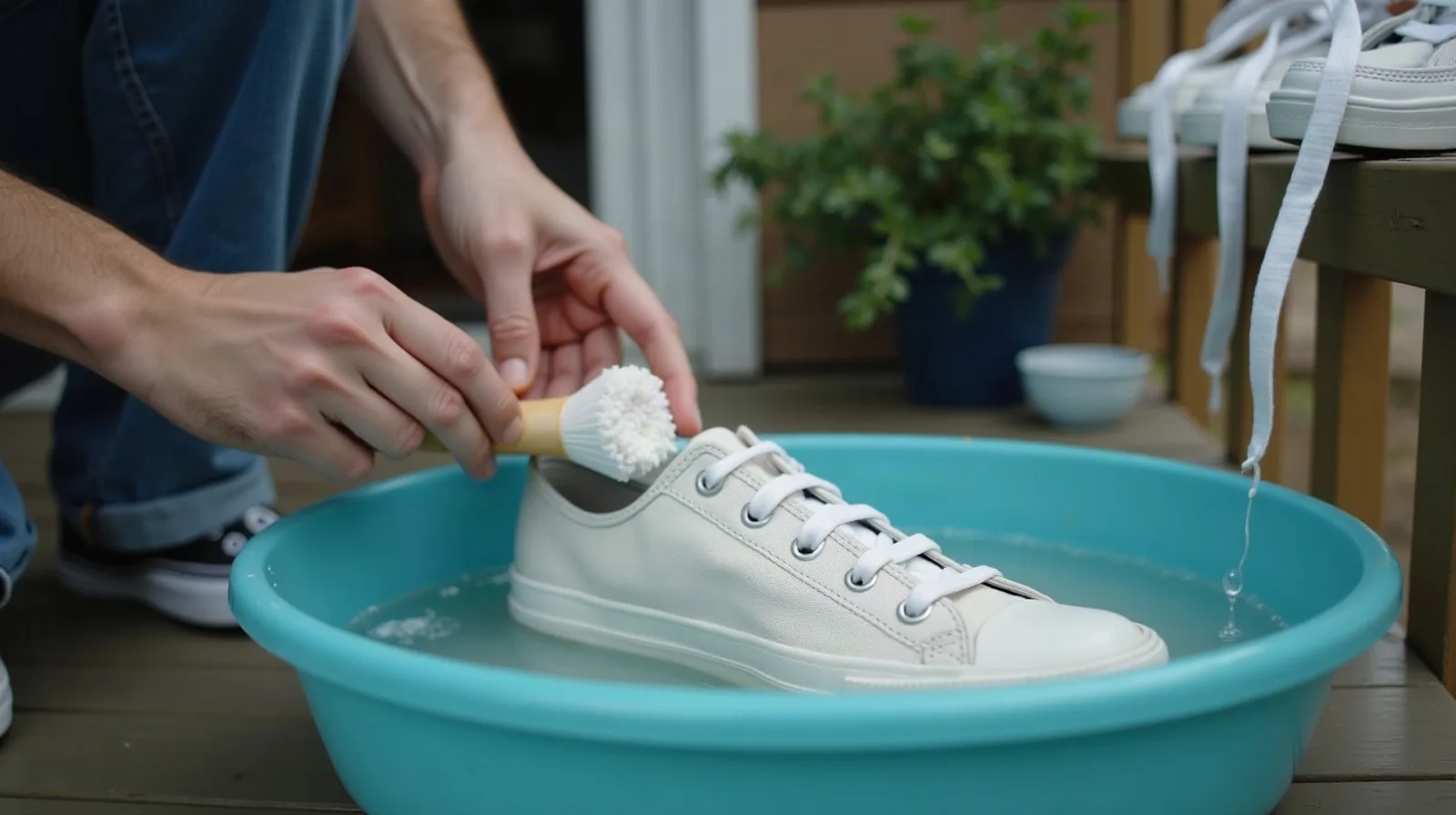
- Treat the spot. Work a drop of liquid dish soap or laundry detergent into the stain with your fingertip, or a soft brush for sturdy fabrics. Let it sit for 10 to 15 minutes.
- Rinse and check. Rinse with cool water and look at the spot in good light.
- Wash, then check again. Launder as normal, but before the dryer, examine the spot once more. If a trace remains, repeat the treatment. Only dry the garment once the stain is fully gone.
If you can’t treat it right away, rinse or blot it and keep the garment damp, in a bag if needed. A stain that stays wet is far easier to remove than one that has dried into a crust.
A Cheat Sheet by Stain Type
Stains fall into a few families, and each family responds to a different approach. Match the stain to the family and you’ll pick the right treatment without guessing.
- Grease and oil (salad dressing, butter, cooking splatter). Dish soap is built to cut grease. Work it in dry, let it sit, then wash in the warmest water the care label allows. For a stubborn spot, a light sprinkle of baking soda or cornstarch on the fresh stain soaks up oil before you treat it.
- Protein (blood, sweat, milk, egg). Always start with cold water. Hot water cooks proteins into the fabric. Soak in cool water, then treat with an enzyme-based laundry detergent or stain remover, which breaks proteins down.
- Tannin (coffee, tea, wine, juice). Flush from the back with cool water right away. Then soak in cool water with a little detergent, and treat what remains with an oxygen-based whitener on colorfast fabrics.
- Dye and pigment (grass, ink, makeup, berries). These need more than soap. Dab with rubbing alcohol for ink, then wash. For grass, an enzyme detergent or a short soak in diluted white vinegar helps, but always test on a hidden seam first.
- Mineral and rust. Lemon juice or white vinegar with a little salt can lift light rust marks. Skip chlorine bleach, which can turn rust stains a deeper orange.
Mistakes That Lock a Stain In
- Using the dryer too soon. Heat sets what the wash left behind. If there’s any shadow on the fabric, air-dry the garment and retreat it.
- Mixing treatments. Combining bleach with vinegar, ammonia, or other cleaners can release harmful fumes. Use one product at a time and rinse well between them.
- Skipping the care label. Silk, wool, and some delicate fabrics can be damaged by soaking, scrubbing, or oxygen whiteners. Those pieces are worth a gentle blot and a trip to a professional cleaner.
- Using colored cloths on a wet stain. Dye can transfer. Use white cloths or paper towels for blotting.
What to Do With a Stain That’s Already Set
An old, dried stain isn’t always a lost cause. It just needs more time and patience. Soak the item for several hours, or overnight, in cool water with a scoop of oxygen-based whitener or enzyme detergent. Rinse, check, and repeat before washing. Many yellowed or faded marks lift on the second or third round.
If a stain survives two full rounds, stop. Repeated harsh treatments can wear a hole in the fabric before they remove the mark, and at that point turning the garment into a painting shirt or a cleaning rag is a fair retirement.
Build a Small Stain Station
You don’t need a shelf of specialty sprays. A bottle of liquid dish soap, an enzyme-based detergent or stain remover, an oxygen-based whitener, a soft brush, and a handful of white cloths cover nearly everything above. Keep them together near the washer, and keep a pen-sized stain stick in a bag or desk drawer for the stains that happen away from home.
Tell everyone in the household the one-line rule too: cool water, blot first, no dryer until it’s gone. It’s the difference between a spot that disappears and one that becomes a permanent resident.