
Most homes don’t get a pest problem because bugs and rodents suddenly show up in force. They get one because a few small openings, a little spilled food, and some damp air quietly added up to an invitation — and nobody noticed until there was a trail of ants on the counter or a scratching sound in the wall. Pest control that actually works starts long before any of that, with the same three levers every time: block the way in, remove what they’re after, and take away the moisture they need to survive.
Seal the Entry Points First
A gap doesn’t have to be dramatic to matter. Ants can use openings a fraction of a millimeter wide, and a mouse can squeeze through a gap the size of a pencil. Walk the outside of your home once and look specifically for these:
- The gap under exterior doors. If you can see daylight under a door, install a door sweep — a cheap strip that attaches to the bottom edge and closes the gap completely.
- Torn or missing window screens. Even a small tear is a door left open for flying insects. Patch it with screen repair tape or replace the screen.
- Gaps around pipes, cables, and vents. Anywhere a utility line enters the house — behind the washing machine, under the sink, near an outdoor spigot — is a common blind spot. A dab of caulk or expanding foam closes it.
- Cracks in the foundation or siding. Even hairline cracks widen over time and become a route in. A masonry caulk handles small ones; larger cracks are worth a proper repair.
- Weatherstripping around windows. If it’s cracked, compressed flat, or missing sections, it’s not sealing anything anymore. It’s inexpensive to replace and does double duty on your energy bill.
None of this requires special tools or a weekend. A caulk gun, a roll of door sweep, and twenty minutes outside will close most of what’s actually letting pests in.
Kitchen Habits That Matter Most
The kitchen is the biggest draw in the house, and the fix is mostly habit rather than equipment. Store dry goods — cereal, flour, rice, pet food — in sealed containers rather than their original bags, which are easy for pests to chew through. Wipe counters and sweep floors before bed rather than in the morning, since crumbs sit unattended all night otherwise. Take the trash out regularly instead of letting it fill past the lid, and rinse recyclables that held food or drink before they go in the bin. Keep pet food bowls from sitting out overnight, and check under and behind large appliances occasionally — crumbs collect there long before anyone notices.
Moisture Is the Other Half of the Problem
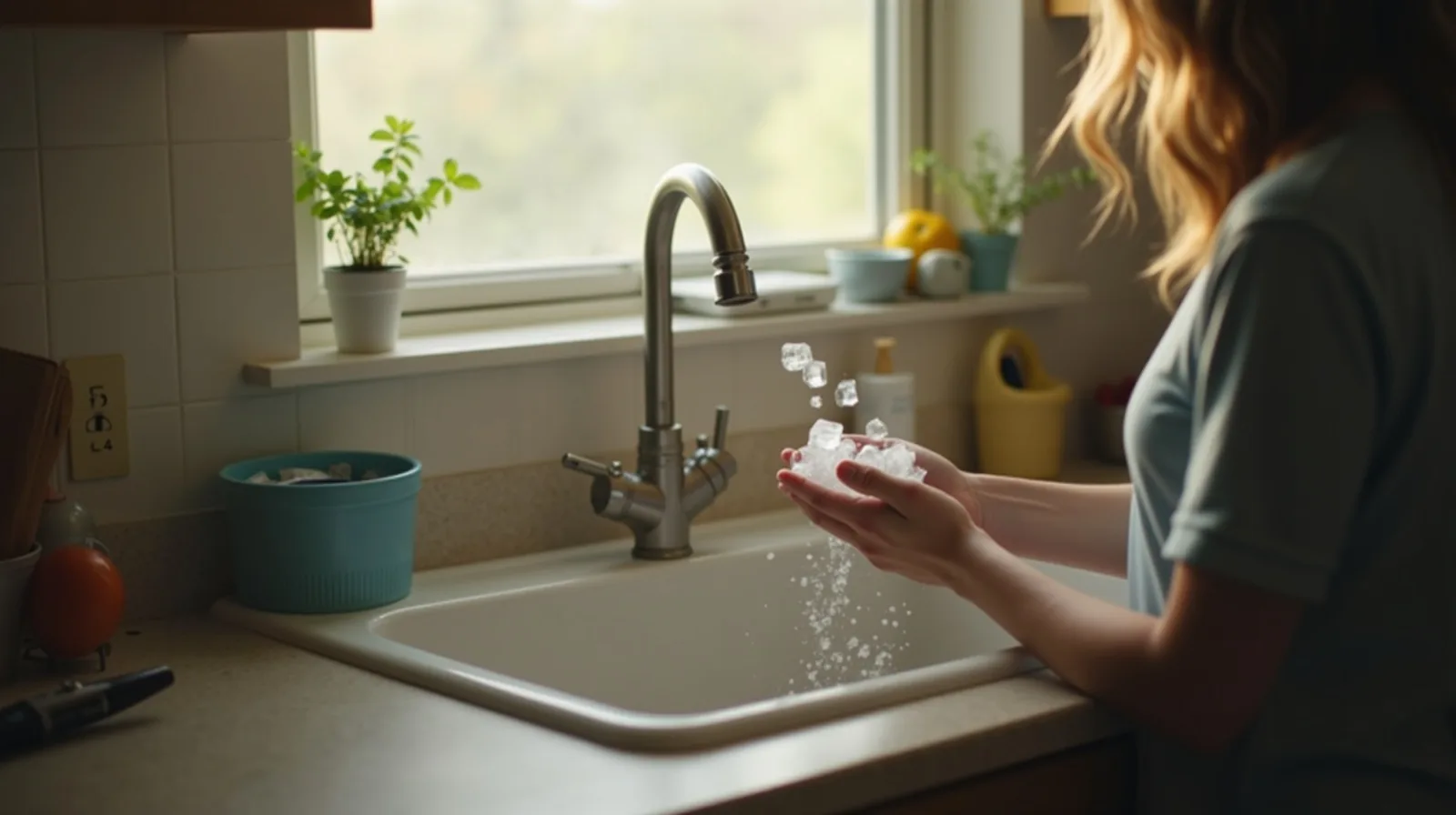
Ants, roaches, and silverfish are drawn to damp as much as they are to food. Fix dripping faucets and leaky pipes promptly, run a bathroom or kitchen exhaust fan to clear humid air, and keep an eye on areas that stay damp longer than they should — under the sink, around the water heater, in a basement corner. A dehumidifier in a consistently humid basement or crawl space does double duty: it discourages pests and helps prevent mold at the same time. Standing water anywhere near the house, including a saucer under a houseplant that never fully dries out, is worth checking regularly.
Natural Deterrents Worth Keeping Around
A few low-effort habits go a long way as a supplement to sealing and cleaning — not a replacement for it:
- Vinegar spray wiped along windowsills, door thresholds, and baseboards disrupts the scent trails ants use to follow each other indoors.
- Peppermint oil on a cotton ball tucked into cabinets, closets, or near entry points is a mild deterrent for spiders and some insects, and it smells far better than most alternatives.
- A food-grade mineral powder sold for pest control, dusted lightly along a baseboard or threshold where pests travel, is a non-toxic option that works mechanically rather than chemically.
- Cedar blocks or sachets in closets and storage areas help deter moths and some crawling insects.
None of these substitute for closing the gaps and removing the food source — they buy you an extra layer, not a solution on their own.
Don’t Forget the Yard
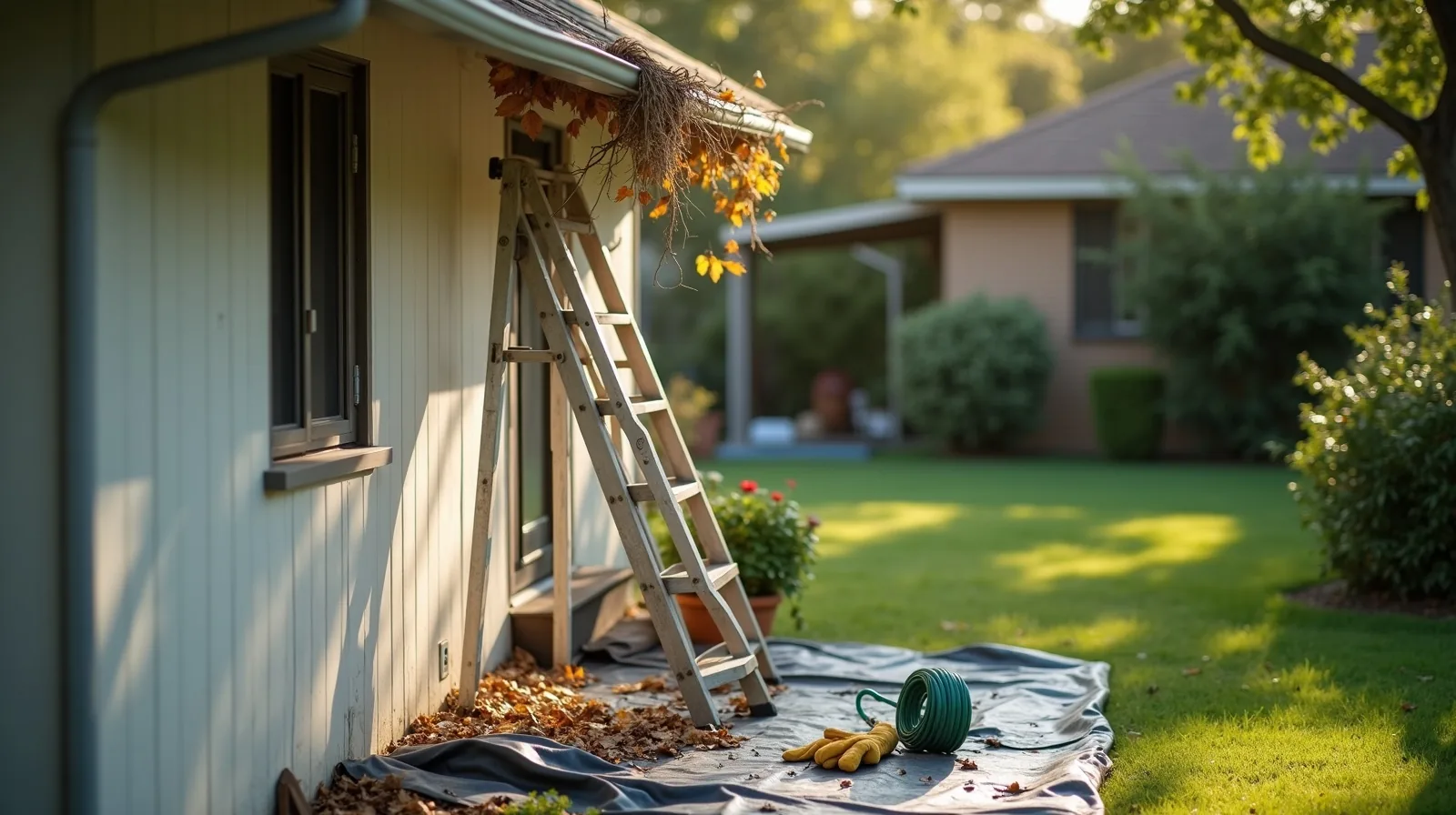
What’s happening right outside your walls determines a lot of what tries to get in. Trim shrubs and tree branches back from the house, since overgrown vegetation touching the siding is a direct bridge for insects and gives rodents cover right up to the foundation. Move firewood and mulch piles a few feet away from the exterior wall rather than stacking them against it. Empty anything that collects standing water after rain — a saucer, a clogged gutter, an overturned lid — since it takes very little standing water for mosquitoes to breed. Keep outdoor trash cans sealed with tight-fitting lids and a few feet from the house if possible.
When It’s Time to Call a Pro
Prevention handles the vast majority of everyday pest pressure, but a few situations genuinely call for a professional rather than another round of DIY. Any sign of termites or carpenter ants — discarded wings, small piles of sawdust-like debris, hollow-sounding wood — is structural and worth an inspection right away, since the damage compounds quietly. A rodent problem that persists after sealing obvious entry points and setting traps usually means there’s an opening you haven’t found. Bed bugs and large-scale infestations of almost any kind are also worth bringing in help for, since DIY treatments often knock back the visible population without solving the underlying colony. When in doubt, a single inspection is inexpensive insurance against a problem that gets more expensive the longer it goes unaddressed.