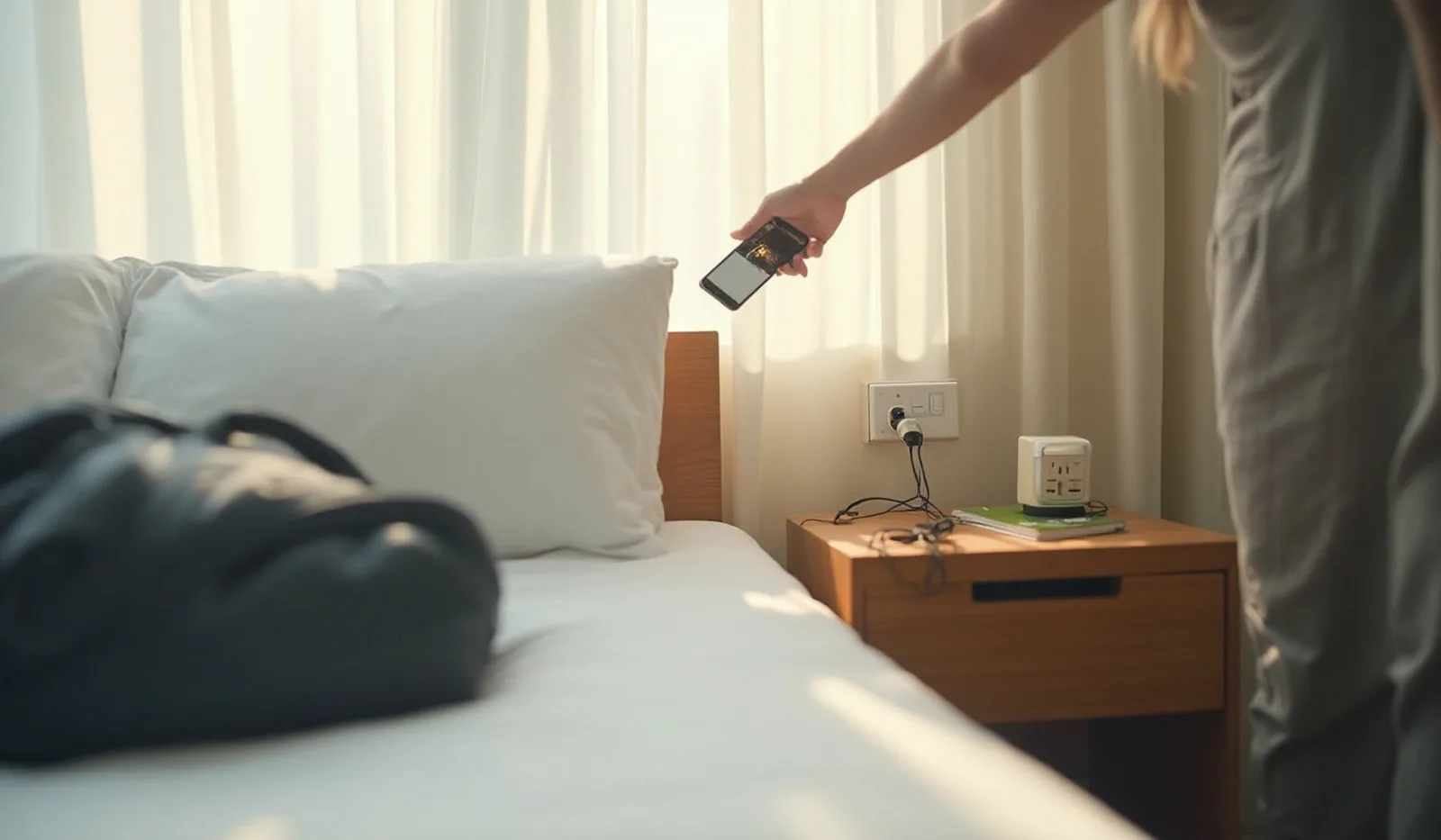
The most commonly forgotten hotel item isn’t a passport or a laptop — it’s a phone charger left plugged into a wall outlet, invisible because it’s not sitting in a bag or on a surface you’d naturally scan. A systematic last look through the room, done in the same order every time, catches what a quick glance around never will, and it takes barely any longer than the halfhearted glance most people give the room on the way out.
Build the habit during the stay, not just at checkout
The sweep works best when it starts before checkout, with a habit during the stay: designate one spot — the desk, a shelf, the top of the suitcase — as the only place chargers, room keys, and small valuables ever go when they’re not in use. A single collection point means there’s only one place to check at the end instead of retracing every surface in the room trying to remember where things landed over several days. It also means a housekeeping visit mid-stay is less likely to scatter your things into new, unexpected spots, since there’s only ever one pile to move.
The systematic sweep: outlets, nightstand, bathroom
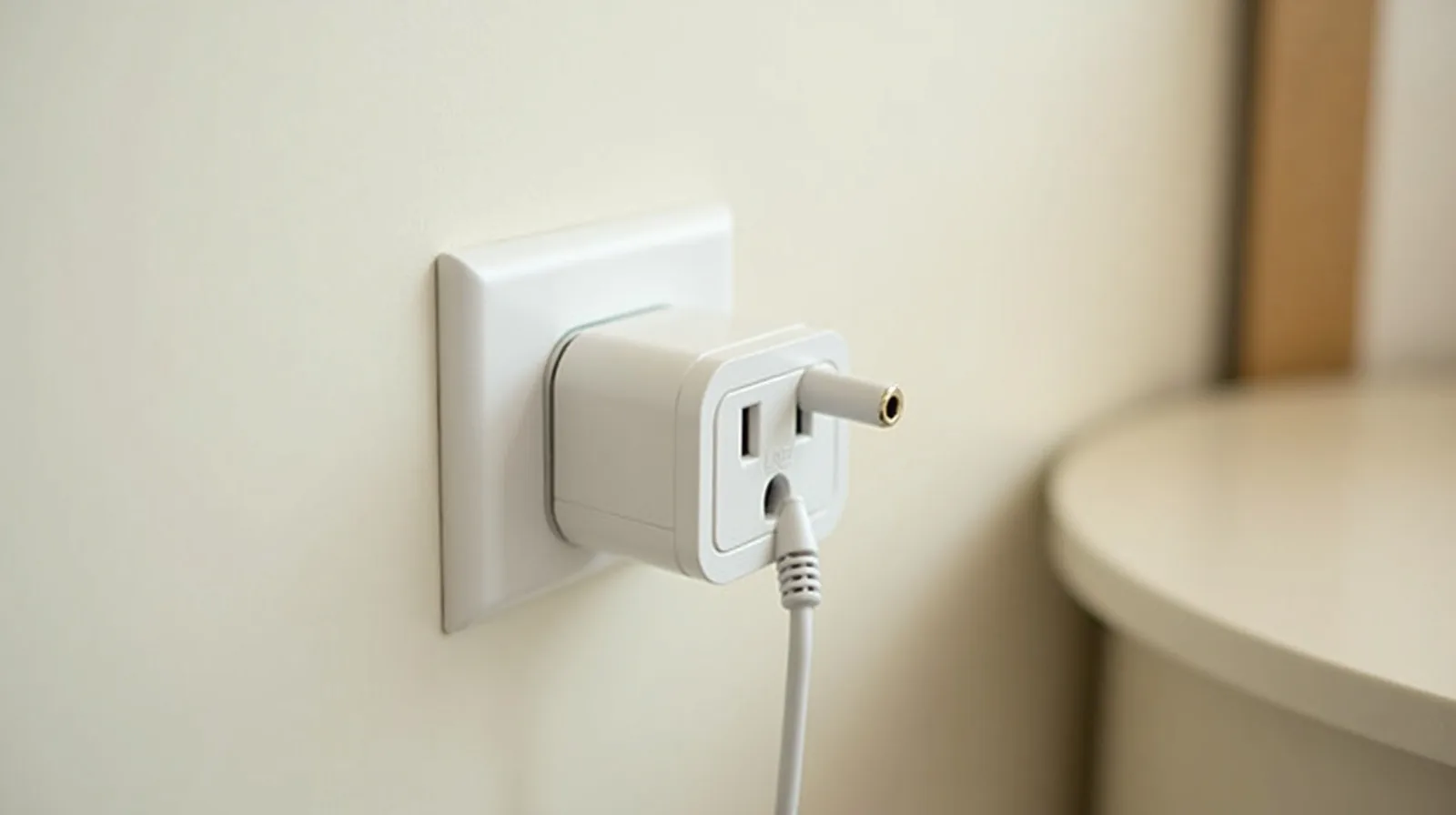
Walk the room in a fixed order every time, starting with the outlets. Chargers left plugged into a wall are the single most forgotten item in hotel rooms, precisely because a charging cable disappears against a wall the way it never would sitting in an open bag; check every outlet in the room, not just the one nearest the bed, since many rooms have one by the desk and one behind a lamp as well. Move to the nightstand drawer, which quietly collects a watch, glasses, a room key card, or a phone left charging overnight and never moved back to a bag. Then check the bathroom — the hook behind the door, the shower shelf or ledge, and the counter, where a toothbrush, razor, or charger cord are the most common leave-behinds. Steam from a shower can also fog up a phone or a watch left near the sink, so it’s worth a specific check if either was used that morning.
Closet, safe, under the bed, and the desk
The closet holds two easy misses: the in-room safe, if you used it, and anything hung on hangers rather than folded into the suitcase. Open the safe even if you’re fairly sure you emptied it — it’s the single highest-consequence miss on the list, since it’s usually where a passport or cash goes, and a locked, empty safe left behind is no comfort if the same safe still holds your documents. Check under the bed and under the desk, both easy for a dropped shoe, sock, or dangling cable to hide, and open the desk drawer, which often holds a stray notepad, a laptop bag, or a spare adapter. Finish at the mini-fridge, easy to forget entirely since it’s rarely opened after the first day, and worth a look even if you’re fairly sure it’s empty — a forgotten bottle of water or a leftover snack is a small loss, but the habit of checking is the same one that catches something bigger.
Fix a leave-time and do the sweep before you relax
Build in enough time before you actually need to walk out the door to do the full sweep calmly, rather than rushing it while a taxi waits outside. A rushed sweep tends to skip exactly the steps that matter most, since the instinct under time pressure is to grab visible items and move, not to open drawers and check outlets. Do the sweep before you sit down to relax with a final coffee or finish packing the last bag — the moment you consider the packing done, attention drops, and that’s exactly when a charger gets left in the wall or a phone gets left on the nightstand. Making the sweep the very last physical action before leaving, in the same fixed order every stay, turns it into a habit you don’t have to think hard about, whether the stay was one night or two weeks and whether the room was familiar or brand new. It also travels well from hotels to short-term rentals and cabins, where there’s no front desk to hand a forgotten item back to you after you’ve already left the property.