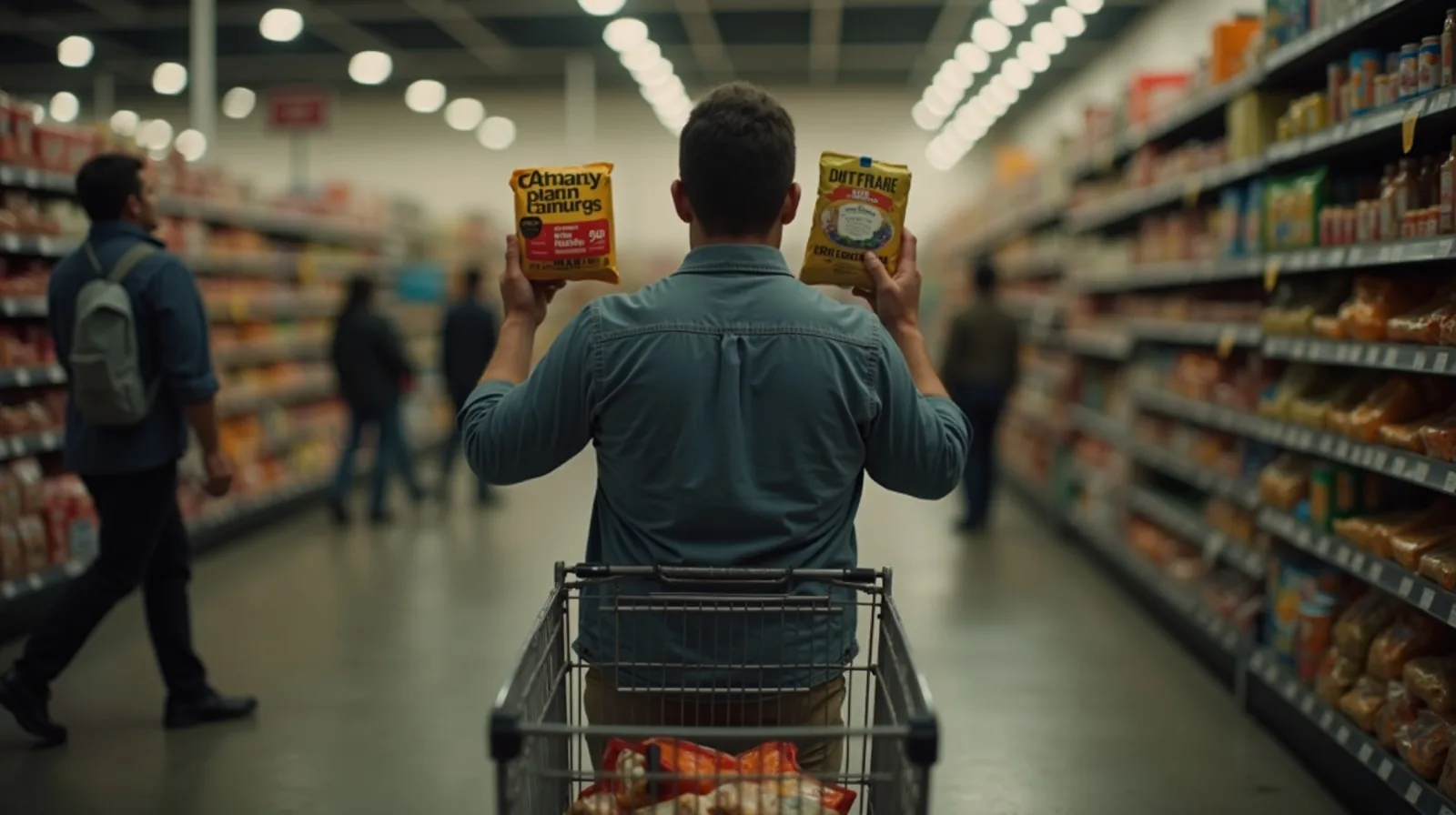
Walk down any grocery aisle and you're walking through a carefully designed environment. The prices, the “sale” signs, the package sizes, and even which products sit at eye level are all engineered to nudge you toward spending more. None of it is a scam exactly — it's just persuasion, and it works because most shoppers are moving fast and taking the signals at face value. Learn to read the handful of tactics behind it, and you flip from buying on the store's psychology to buying on actual value.
Read the unit price, not the sticker
The most useful skill in the whole store is reading the unit price — the little number on the shelf tag that shows cost per ounce, per pound, or per item, usually in small print in a corner. It's the great equalizer, because it lets you compare a big box and a small box, a name brand and a store brand, honestly. The big sticker price tells you what you'll pay; the unit price tells you what you're actually getting. Train your eye to drop to that small number and you'll see through most pricing games instantly — including the surprisingly common cases where the “bigger” or “bulk” package actually costs more per unit.
“Sale” doesn't always mean cheaper
A sign screaming a deal is designed to trigger a buy before you think. But some tactics are pure theater:
- Multi-buy pricing like “5 for $5” often costs the same per item as buying one — you usually don't have to buy five to get the price, and the number is just there to make you grab more.
- “Was/now” pricing can inflate the original to make the discount look bigger than it is.
- An anchor price — a high number shown first — makes the next number feel like a bargain by comparison.
The defense is simple: check the unit price on the “sale” item against the regular alternative. A real deal survives that check; a fake one evaporates.
Watch for shrinkflation
One of the sneakiest moves is when the price stays the same but the package quietly gets smaller — fewer chips in the bag, a slightly smaller roll, less in the jar. Because the sticker price didn't move, it doesn't register as a price increase, but you're paying the same for less. This is exactly why the unit price matters so much: it catches shrinkflation that the shelf price hides. If a staple suddenly feels like it runs out faster, the package probably shrank.
Know where stores hide the value
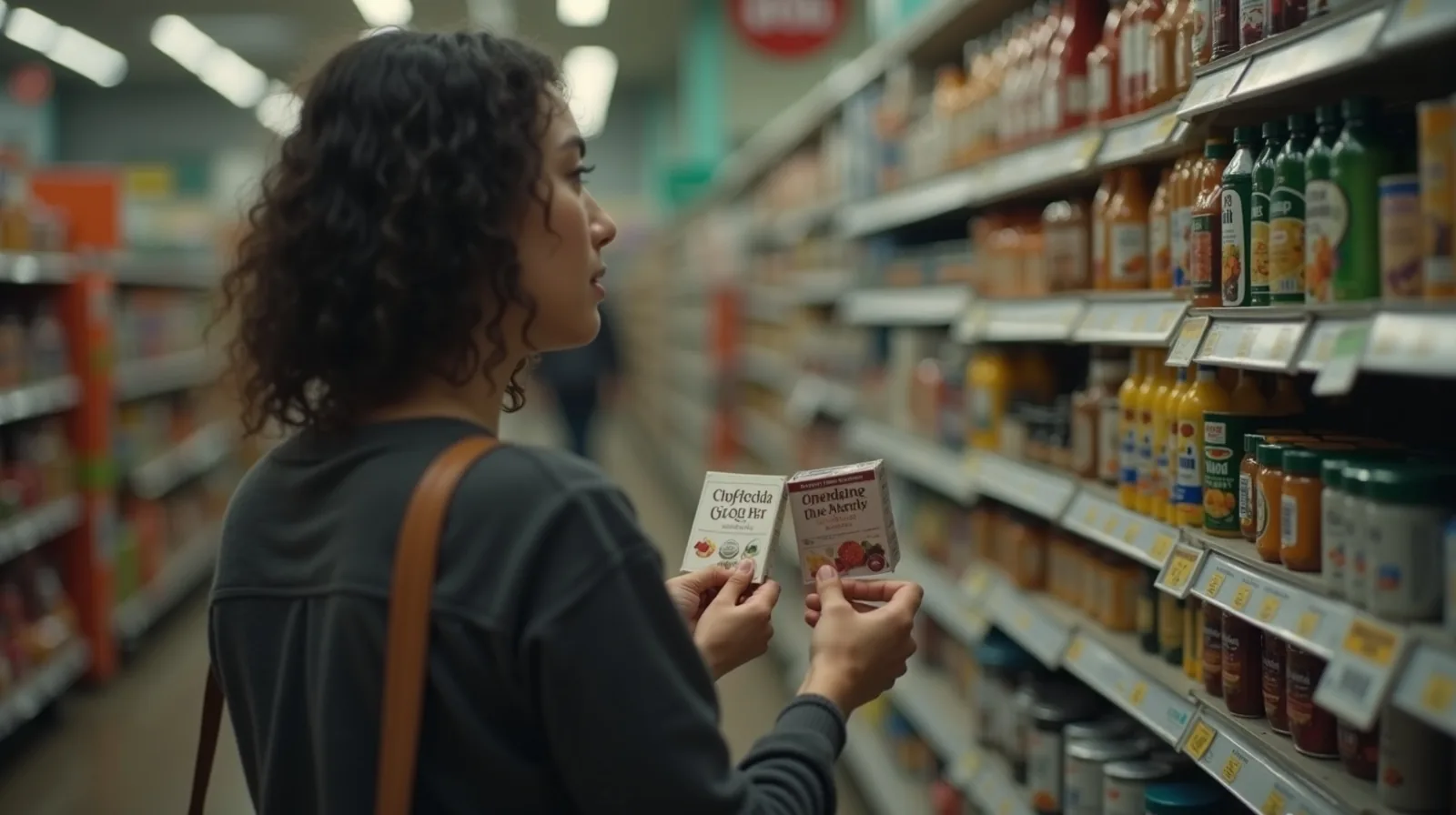
Placement is pricing, too. Stores put the highest-margin products at eye level, where your gaze naturally lands, and tuck the cheaper options — often the store brands and the better unit prices — higher up or down near the floor. So make a habit of looking up and looking down, not just straight ahead. The same goes for the tempting, high-margin impulse items parked at the checkout and the ends of aisles; those prime spots are bought and paid for to catch you, not to give you a deal.
Buy on value, not on the trick
A few habits keep you anchored to reality:
- Think in price-per-use, not just price. The cheaper item that runs out twice as fast isn't cheaper. The bigger pack is only a deal if you'll use it before it goes to waste.
- Give store brands a real look — they're frequently the same product for less, and the unit price will prove it.
- Bring a list and lean on it, since much of the store's design exists to sell you things you didn't come for.
You can't stop stores from designing their prices to move you — but you can stop being moved. Drop your eye to the unit price, test every “sale,” watch for the shrinking package, scan the high and low shelves, and think in cost-per-use. Read the tricks and you'll consistently pay for real value instead of clever signage.