
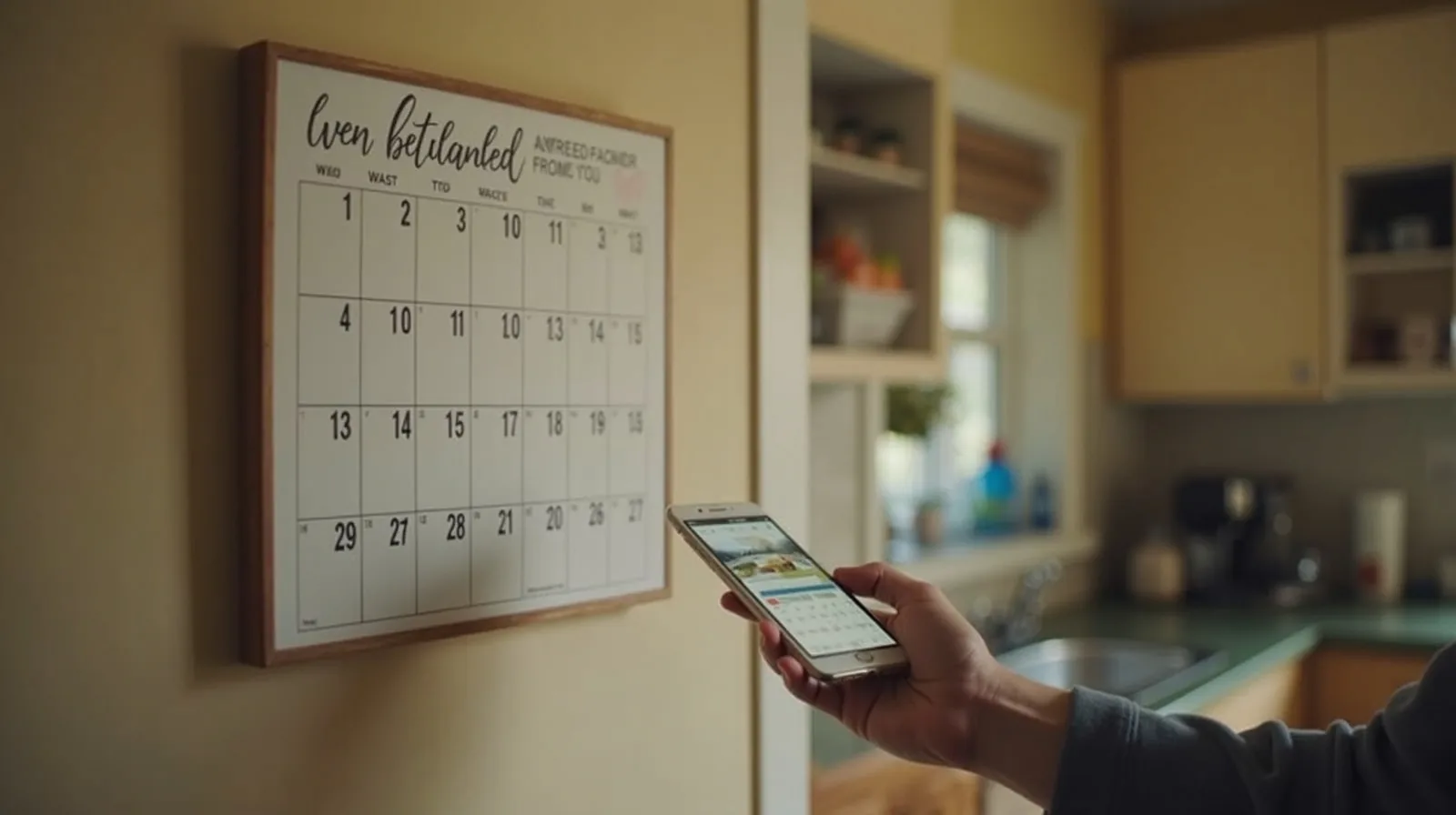
Every household, whether it’s a couple or a full family, runs on a constant stream of logistics: who has to be where, what’s happening this weekend, who’s picking up whom, and where on earth the photos from the trip ended up. Handled by scattered texts and memory, it produces a familiar low-grade chaos — missed events, double-bookings, “did you see my message?”, and memories stranded on one person’s phone. A short setup of a few shared tools quietly fixes most of it, keeping everyone on the same page without anyone having to nag.
A shared calendar: the big one
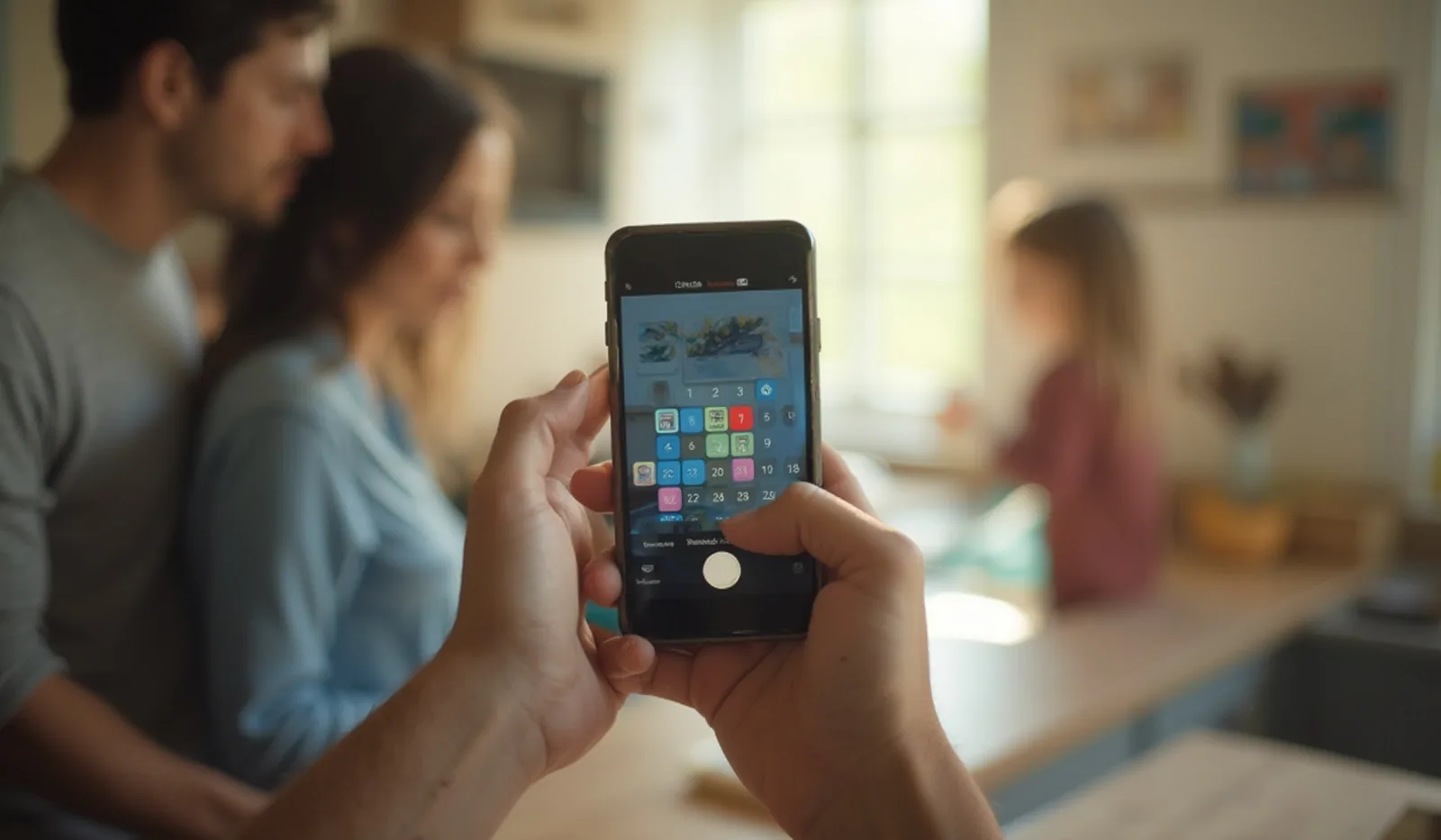
The single most useful family tool is a shared digital calendar that everyone can see and add to. Instead of one person holding the schedule in their head (and being the bottleneck for every “what are we doing Saturday?”), everyone sees the same up-to-date picture:
- Appointments, school and work events, practices, trips, and social plans all live in one place.
- Colour-code by person so it’s clear at a glance who’s doing what.
- Anyone can add an event, so the mental load of “keeper of the schedule” is shared.
This alone eliminates a huge share of household miscommunication — double-bookings and forgotten events largely stop, because the calendar, not any one person’s memory, is the source of truth. A physical family wall calendar can complement it for the whole household to see at a glance.
Location sharing: coordination and peace of mind
Opt-in location sharing among family members is genuinely useful and, set up thoughtfully, not creepy. It cuts a whole category of “where are you? / how far away are you?” texts — you can see that someone’s nearly home and start dinner, or that a teen arrived safely — and it adds real peace of mind. Keep it consensual and open: everyone knows it’s on, it’s for coordination and safety rather than surveillance, and older kids understand the why. Used that way, it’s a quiet convenience the whole household benefits from.
A shared photo album: where the memories land
Family photos have a way of scattering — some on your phone, some on your partner’s, the good ones from the trip trapped wherever they were taken. A shared photo album gives everyone’s pictures one home: each person adds theirs, and everyone can see and save the whole set. No more “can you send me that photo?”, and the family’s memories accumulate in one place instead of being fragmented across devices. Set one up for the household generally, and spin up a fresh shared album for each trip or event.
Do the setup once, together
The reason these tools don’t just happen is that they need a little initial setup and everyone opted in — so make it a one-time job:
- Pick tools everyone can use across whatever devices your household has, so no one’s left out.
- Set them up together in one sitting — create the shared calendar, invite everyone, turn on location sharing, start the shared album — so it’s done properly and everyone knows how it works.
- Agree on the norms — that events go on the calendar, that location sharing is mutual and consensual, that trip photos go in the album. The tools only work if the household actually uses them.
Household logistics don’t have to live in scattered texts and one overloaded person’s memory. A shared calendar, opt-in location sharing, and a shared photo album — set up once, together — keep everyone coordinated, reachable, and connected to the same memories. It’s a small afternoon of setup that pays off every single week.